After Sales Dip, Eco-Conscious Haircare Brand Flora Flora Lands Nationwide Whole Foods Rollout
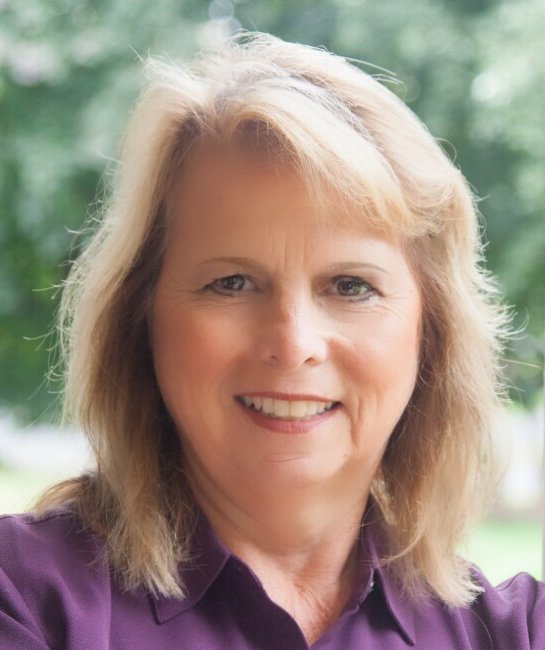
Flora Flora Co. is rolling out to about 370 Whole Foods Market stores nationwide, and sales for the sustainable haircare company founded in 2021 are on an upward trajectory for 2026. It’s a scenario founder Sarah Cloes didn’t think would have been possible just two years ago.
After dipping below $200,000 in sales in 2024, the business rebounded to more than $300,000 in 2025 and is tracking toward a strong increase this year. The dip “was terrifying for me,” says Cloes. “It was mentally brutal. I started putting my resume together and looking for jobs.”
Encouraged by a fellow founder and her husband, who urged her to “go all in and give it everything I could,” she didn’t give up. A few months later, in 2025, Whole Foods called, and she feared the natural grocer would inform her that Flora Flora had been dropped. Instead, the retailer told her it wanted to expand the brand nationwide.
The good news was a surprise because Cloes had previously heard bad news from Whole Foods. Before the retailer tapped Flora Flora to enter about 40 stores across California, Nevada, Arizona and Hawaii in 2023, Cloes had been rejected from its Local and Emerging Accelerator Program, although Whole Foods proceeded to connect with her to express interest in Flora Flora. “Whole Foods was at the top of my dream retailer list,” she says.
Flora Flora’s expanded presence at Whole Foods includes six stockkeeping units from its eight-SKU range: Scalp Soothe Shampoo Bar, Hydrating Shampoo Bar, Clarifying Shampoo Bar, Silk Conditioner Bar, Cloud Hair Oil and Root System Hair Mask. The products are priced from $18 to $30. The order is big for a small brand and represents a significant risk.
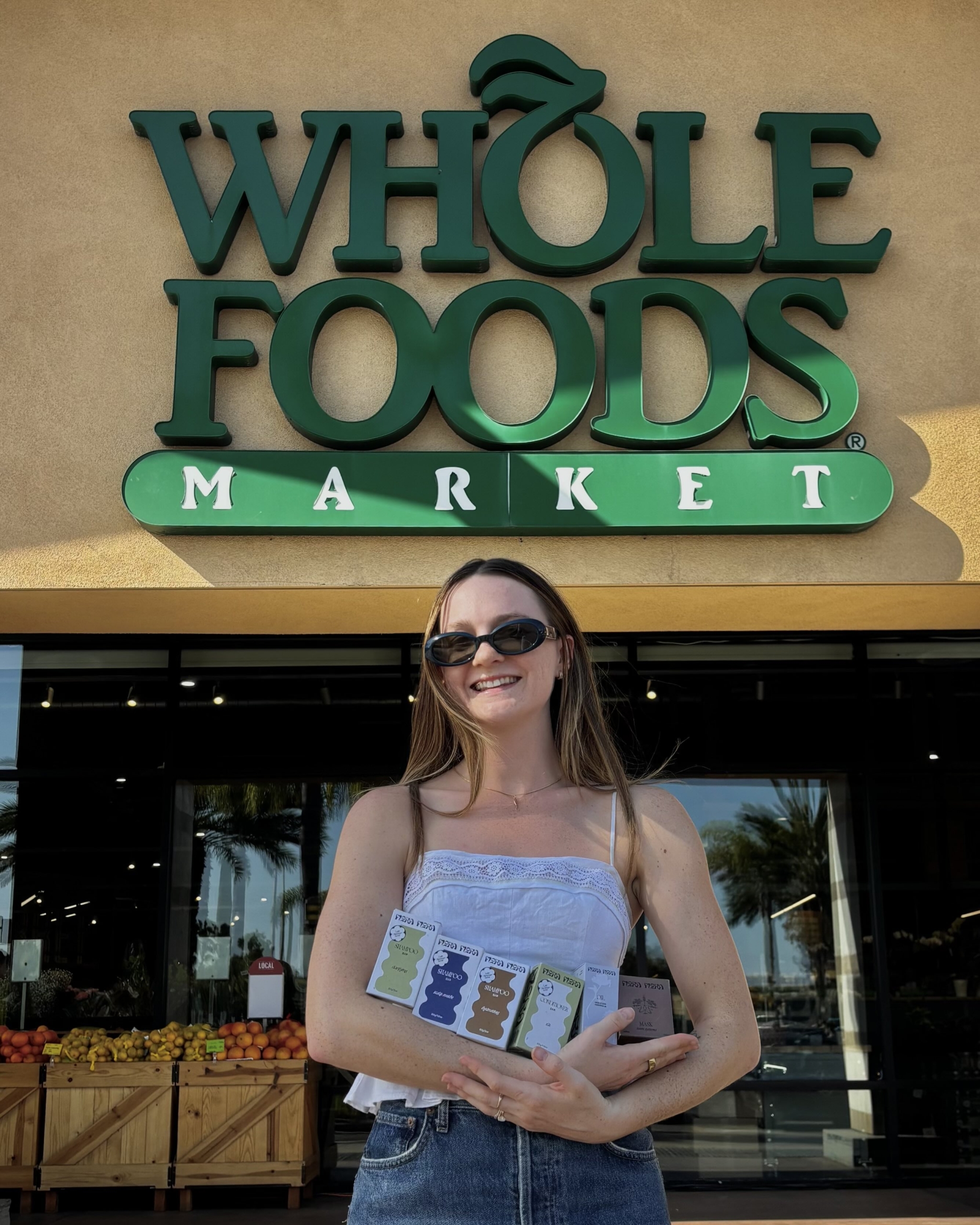
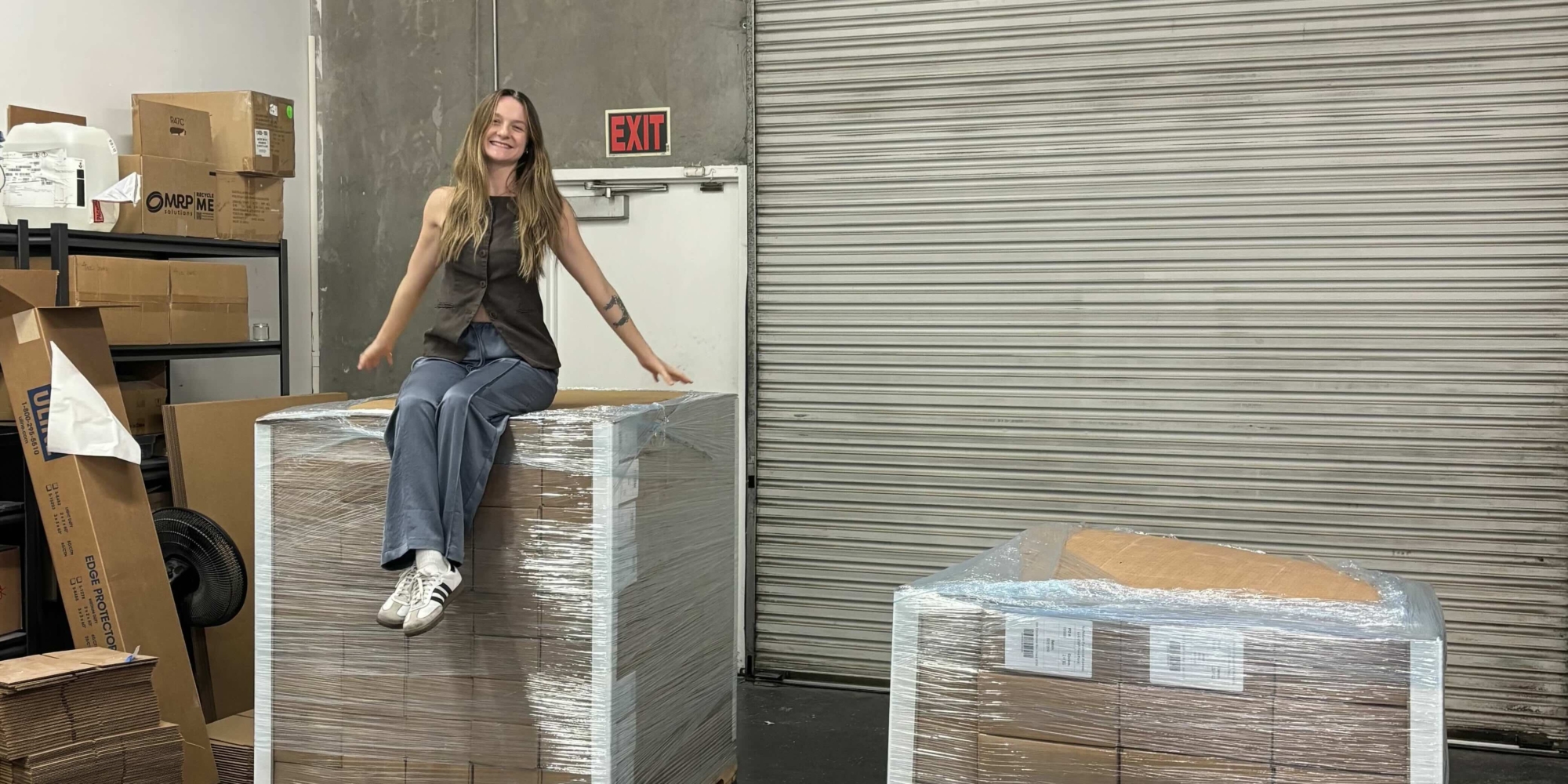
“We make everything in-house. We have two employees, and one woman made 10,000 units for the initial shipment,” says Cloes. “I wasn’t sure we could pull it off, but I’m so proud of how hard we worked. This process forced us to build systems and get incredibly efficient. We’re better than we’ve ever been.”
Whole Foods has a knack for reaching Cloes at opportune times. A visit from a Whole Foods buyer who ultimately led to Flora Flora landing in 40 doors came a week after Cloes moved from a tiny, subleased room attached to a dog grooming parlor she found on Craigslist.
“I’m so grateful to my Whole Foods buyers. If they hadn’t come to me at that point, I don’t know what I’d be doing right now,” she says. “The warehouse sign had just gone up the day before he arrived. If he had come a week earlier, I don’t know what would’ve happened. They saw what Flora Flora could become.”
Cloes commends Whole Foods for working to set Flora Flora up for success in its stores. It helped the brand secure a partnership with distributor Lotus Light and guided it through the complexities of retail. Cloes admits, “I knew nothing about retail including payment schedules.”
“It was mentally brutal. I started putting my resume together and looking for jobs.”
It’s crucial to Cloes that Whole Foods shares her eco-conscious ethos, especially when it comes to plastic. Three years ago, a retailer she hasn’t named, but keen-eyed social media posters identified as Urban Outfitters, approached her about carrying the brand. The retailer, however, required the brand to package products in individual plastic bags.
“I couldn’t put my plastic-free shampoo bar into plastic film,” she says. “It made no sense.”
Frustrated, she posted about her plight on Flora Flora’s TikTok account on the Friday before Labor Day weekend, coinciding with a sale that wasn’t meeting the brand’s expectations. By 6 a.m. on Saturday morning, Flora Flora had received 275,000 likes and more than 150 orders compared with about 10 typical for that time period.
Her team still handmakes and packs the products, and Flora Flora has remained bootstrapped. Cloes landed $15,000 in early grants to upgrade packaging before the brand’s Whole Foods debut, then reinvested profits. For the recent expansion, she raised approximately $50,000 in a small friends-and-family round to cover inventory and 60-day payment gaps.
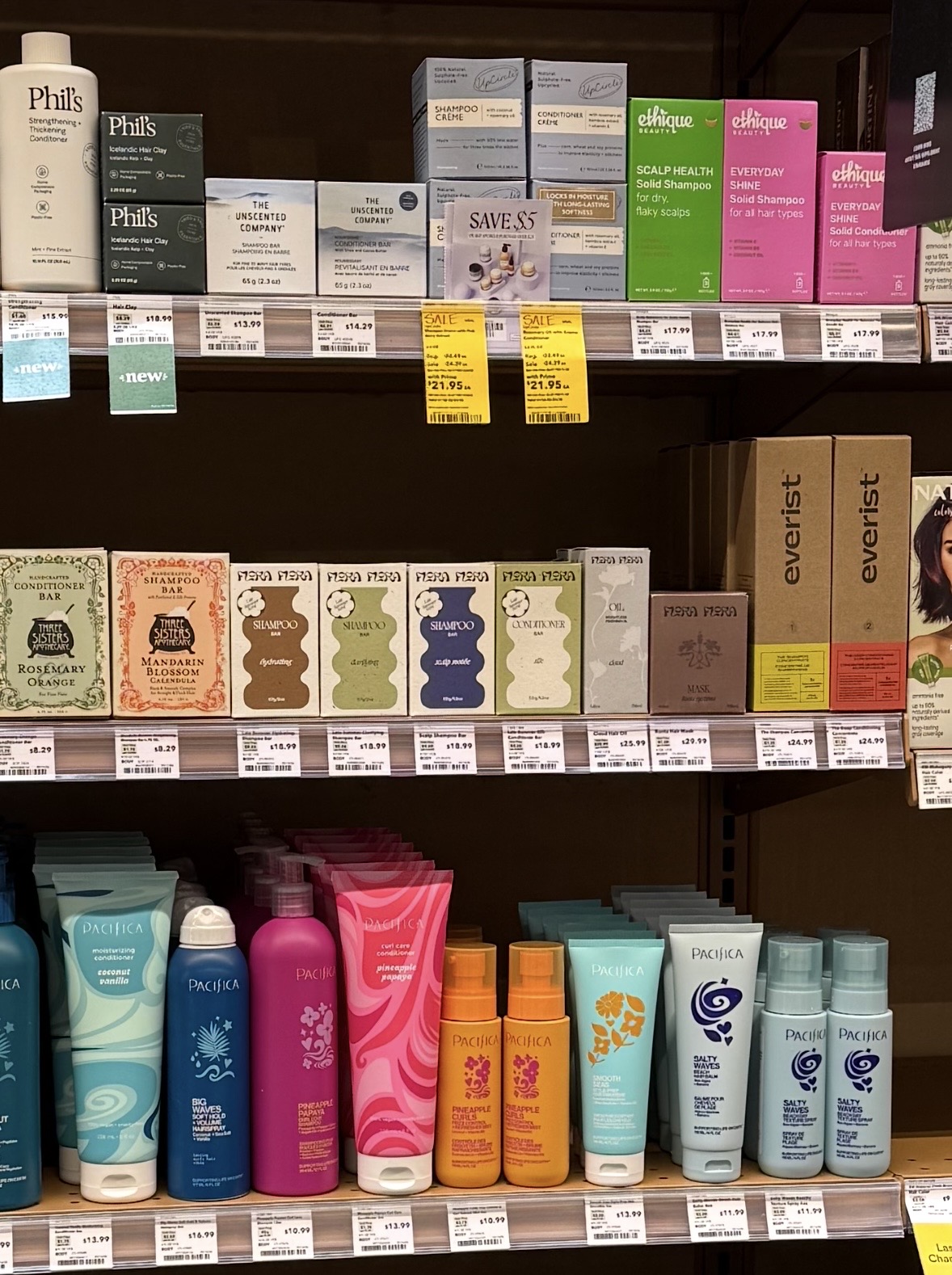
Like many brands big and small, Flora Flora raised its prices last year, with its bars going up a dollar to $18.99 to accommodate the realities of scaling. “We’ve gone through so many ingredient and packaging price increases, and I was absorbing most of it, but margins grew tighter and tighter,” says Cloes, noting distributor costs are a part of the tightening.
Flora Flora has never relied heavily on paid advertising. Word-of-mouth is its strongest driver. Instagram, email marketing, in-store demos and a community ambassador program support retail sell-through. Hairstylists and loyal customers regularly refer new customers.
While Cloes still posts on TikTok, she’s backed off of TikTok Shop. She says, “I don’t want people buying products they don’t need.”
Along with Whole Foods, Flora Flora is sold on its own website and at select independent retailers. Flora Flora was also part of Target’s 2023 Forward Founders accelerator cohort. Cloes has a vision to move it into mainstream personal care, but on her terms. She is emboldened by rising global acceptance of waterless shampoo, projected to grow from $4.5 billion in 2026 to $8.2 billion in the next 10 years, according to Fact.MR.
Domestically, the picture for sustainable haircare is mixed. The founders of sustainable haircare brands Dip, HiBar and Plaine Products have noticed a retail and consumer retreat from brands and products centered on sustainability. Still, brands like Kitsch, Gemz and Ethique have placed haircare bars at Target.
Amazon-owned Whole Foods has been enlarging its beauty roster this year with launches such as haircare brand Believe, sun protection brand Daybird and skincare brands Indie Lee Botanicals, Evre and Petal Fresh Skin ResQ Hello Hydration. Amazon reports its overall grocery enterprise generates more than $150 billion in annual sales and serves over 150 million customers, and it plans to open more than 100 additional Whole Foods stores in the coming years. For Flora Flora, the focus is on cultivating its Whole Foods business, nurturing direct customers and stabilizing manufacturing.