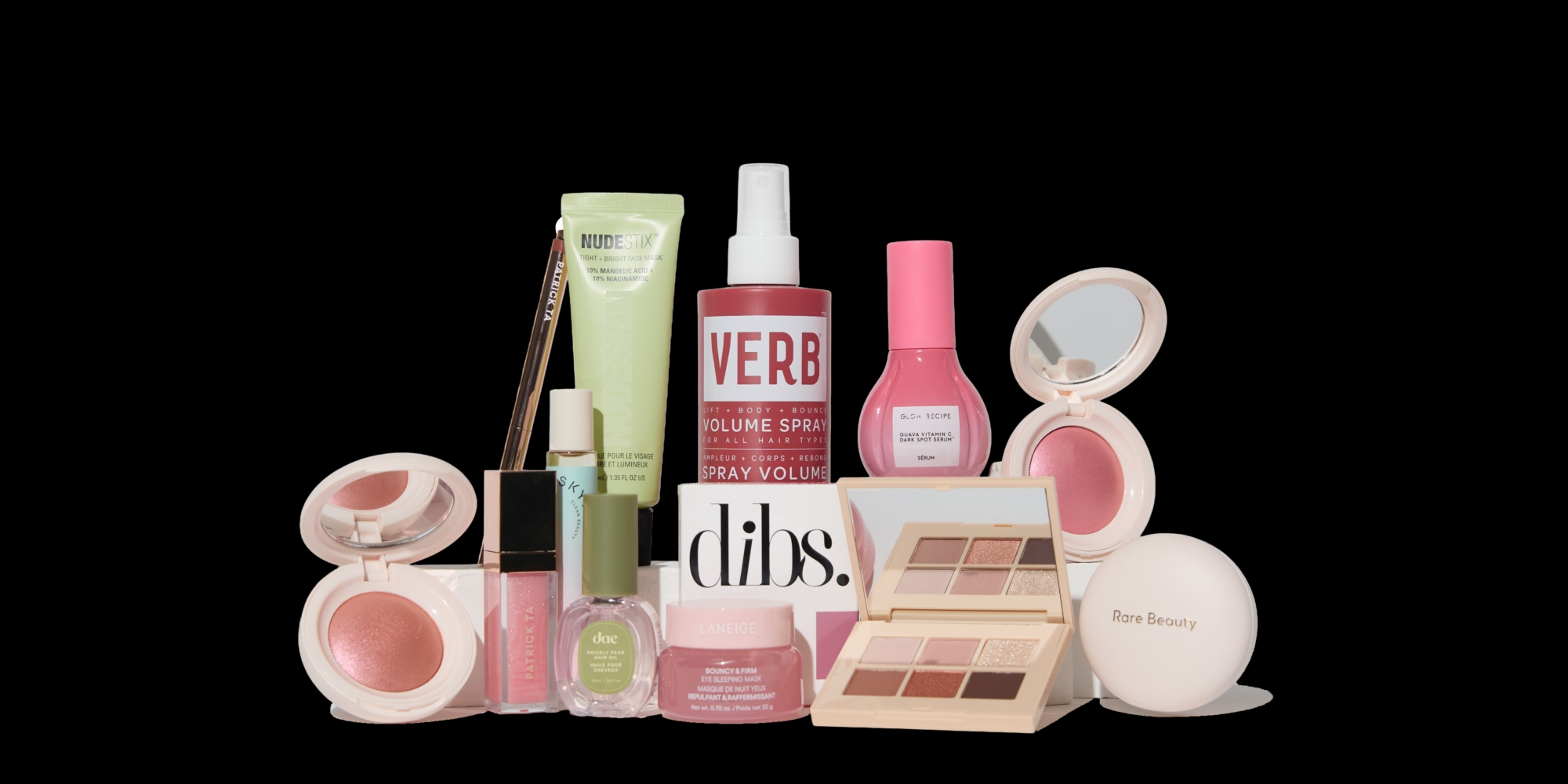
Since its founding in 2010, FabFitFun has tallied over 1 million members and raised more than $83 million in venture capital for its subscription business that curates and customizes seasonal items in beauty, fashion, fitness, wellness, home and technology. The Los Angeles-based company’s latest offering—and its first monthly subscription—capitalizes on a category with high engagement and big potential for replenishment: beauty.
FabFitFun is making beauty moves in a subscription sector that’s humbled more than a few competitors. The economics have always been tricky: Subscriber acquisition is expensive, fulfillment costs are unforgiving, the need for newness is unrelenting, and the window between an attractive price point and a profitable one is narrow. And it’s not getting easier, as discovery has migrated to TikTok and many consumers have come to consider subscription boxes as little more than a digital off-price outlet for beauty brands.
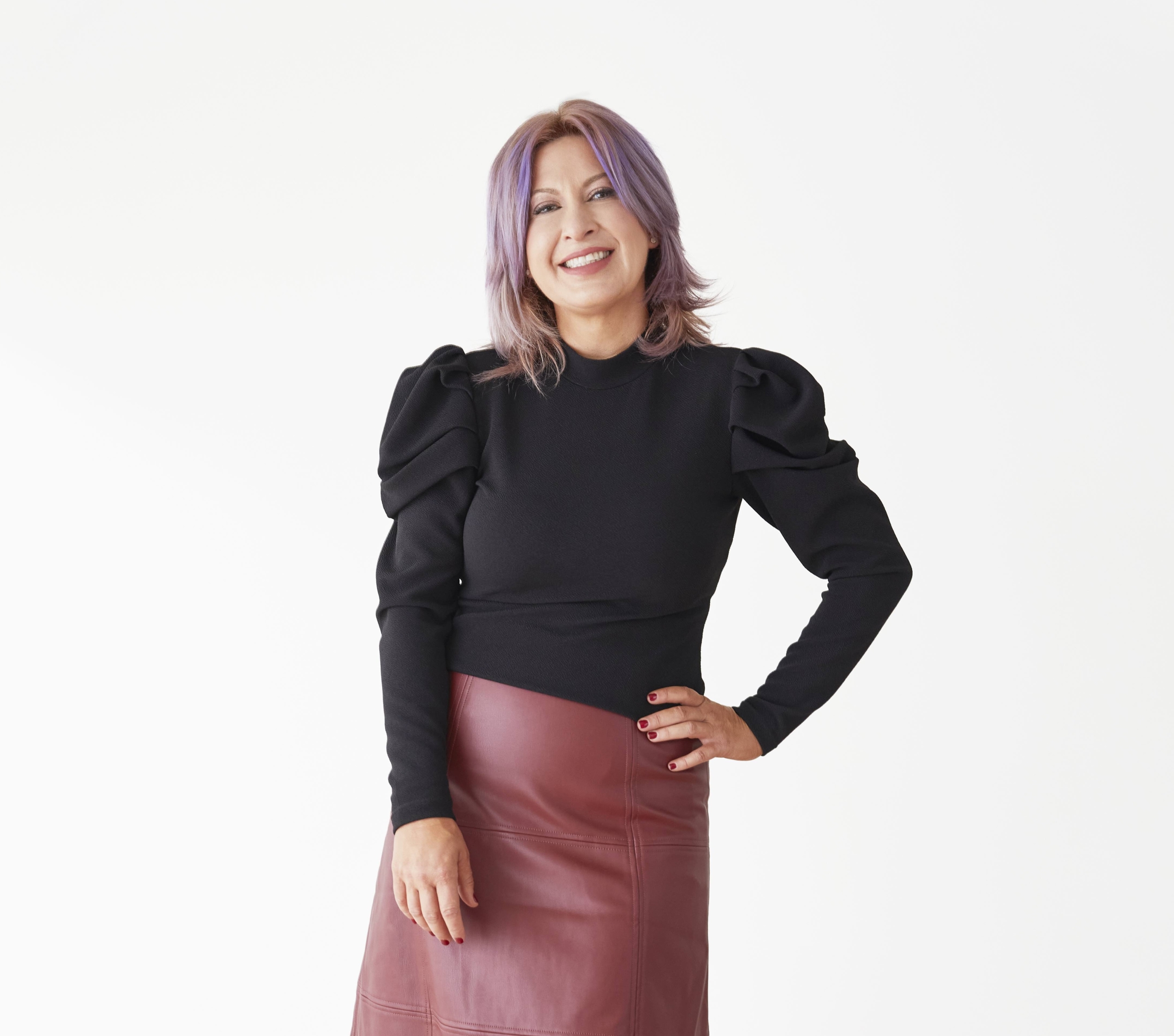
FabFitFun, for its part, thinks it can do better. In December, the company launched Beauty Edit Box, which offers, for $29.99 per box, a choice of four skincare, makeup and haircare products. The brands from which subscribers in the United States and Canada can customize their monthly beauty package include Fenty Skin, Haus Labs, Olaplex, Ilia, Dr. Jart+, Kosas and One/Size by Patrick Starrr.
“This beauty box gives us a really powerful way to connect with a slightly younger, beauty-loving audience,” says Katie Echevarria Rosen Kitchens, co-founder, chief merchant and editor in chief at FabFitFun. The new box, she adds, “creates a modern on-ramp to FabFitFun. It has a more attainable price point, which we think is fantastic, and over time we can continue to introduce that customer to the broader lifestyle experience if they are interested.”
FabFitFun is operating in a beauty subscription box space with a topsy-turvy history. Birchbox, which raised almost $90 million from investors including Accel Partners and later took on Walgreens as a minority stakeholder, was acquired by FemTec Health for $45 million in 2021, well below its venture-backed valuation.
Revenue projections dropped from $74 million to $47 million following the deal, and just two years later FemTec sold Birchbox to Retention Brands, which specializes in subscription businesses. Glossybox, owned by The Hut Group and described as the European version of Birchbox with monthly boxes priced below 14 pounds, exited the American market in July 2023. Alltrue, formerly known as Causebox, a socially conscious lifestyle subscription box, shuttered in 2022 before being acquired by Retention Brands, the same company that picked up Birchbox.
Ipsy, a beauty subscription pioneer founded in 2011 by vlogger Michelle Phan and backed by private equity firm TPG Growth, acquired rival BoxyCharm in 2020 for a reported $500 million, and the combined company was on track to exceed $1 billion in annual revenue that year. The two businesses now operate under parent company Beauty for All Industries. BoxyCharm has since been rebranded as Ipsy Extra, a subscription that packages five full-size products for $32 per month, with other Ipsy tiers running $14 per month and $65 per quarter.
The company has seen significant leadership turnover, cycling through three CEOs since co-founder Marcelo Camberos stepped down from the role in January 2023, with Galen Smith, a former Redbox Entertainment CEO, taking the helm in September 2024. The North American beauty subscription box market is expected to grow at a compound annual growth rate of 17% to hit $1.2 billion by 2030, according to Grand View Horizon.
“This beauty box gives us a really powerful way to connect with a slightly younger, beauty-loving audience.”
For brands, participating in a subscription box requires careful calculation. Boxes often purchase products at 85% to 90% off retail prices, and brands must be able to manufacture large quantities and absorb shipping costs. “Financially you must ensure your profit margins are healthy because they can be tight,” says Andrew Glass, founder of NGS Beauty and co-founder of Wakse and By the Beach. Sun care brand By the Beach is set to appear in the April Ipsy box, which ordered over 100,000 units of its bestselling Melon Daze SPF 30 cream.
Christin Powell, beauty industry consultant and co-founder of Kinship, advises caution for indie brands. She recommends that established brands, not indie brands, try to negotiate smaller quantity participation such as 25,000 units rather than 250,000 to test the market.
“The cost to produce the required quantities of samples can overburden a brand’s P&L without knowing what the return could be,” she says. Powell adds that brands need a clear way to track ROI at retail or online and that boxes tend to drive better trial in makeup, wellness and fragrance than in skincare, where consumers are reluctant to switch from existing routines.
Despite the challenges, Glass views beauty box participation as a net positive for the right brands. “I’ve always viewed subscription boxes as a tool for marketing and brand awareness rather than a direct way to generate revenue,” he says, noting the perks include influencer unboxings, review syndication opportunities and press coverage. For brands wary of committing to large unit minimums, he highlights add-on programs, where quantities typically run 1,000 to 5,000 units, as a lower-risk way to experiment with the model.
FabFitFun has experience on its side. The company leaned on tools it has accumulated over the years to inform its beauty offering. “We really start with what members are telling us through data, customization behavior in the seasonal membership, reviews, surveys and social signals,” explains Kitchens. “Then we have a team who really layers in trend research, whether that’s ingredients, formats, routines [or] what’s rising culturally.” Products are tested by FabFitFun employees across departments before inclusion, with an eye toward finding products that work across age cohorts, from customers in their 20s to those in their 40s, 50s and 60s.
The company doesn’t require new customers to sign up for FabFitFun’s broader membership, priced at $259.96 annually for four lifestyle boxes, to order the beauty box. So far, online reviews commend the price point, though customers have asked for more eyeshadows and blushes and flagged concerns about products shipped close to expiration.
Kitchens says, “Even if you come with the experience that we do have in this world of subscriptions, you’re still starting fresh, and there are always going to be unexpected wrong turns.”
On top of shepherding subscription acquisitions, FabFitFun is investing in and acquiring other businesses. This past February, the company purchased wellness brand Paya Health, which joined its expanding roster including luxury-subscription service Curateur, sustainable packager Boox and pet-centric subscription service PupBox. Last July, FabFitFun launched its own electrolyte mix containing collagen, biotin and hyaluronic acid under the label Evie Beauty Fuel.
FabFitFun has also noticed a shift in what its subscribers prioritize. Beyond brand names and price tags, Kitchens says consumers now want to know: “Where the products are made? How well do they work? Who’s the founder? What’s their story? What problem are they trying to solve? Does the brand align with my values?” Amid economic and social uncertainty, she views the beauty box as a parcel of self-care. “Consumers are probably more value-conscious than ever, but they are still wanting those little luxuries.”


Leave a Reply
You must be logged in to post a comment.