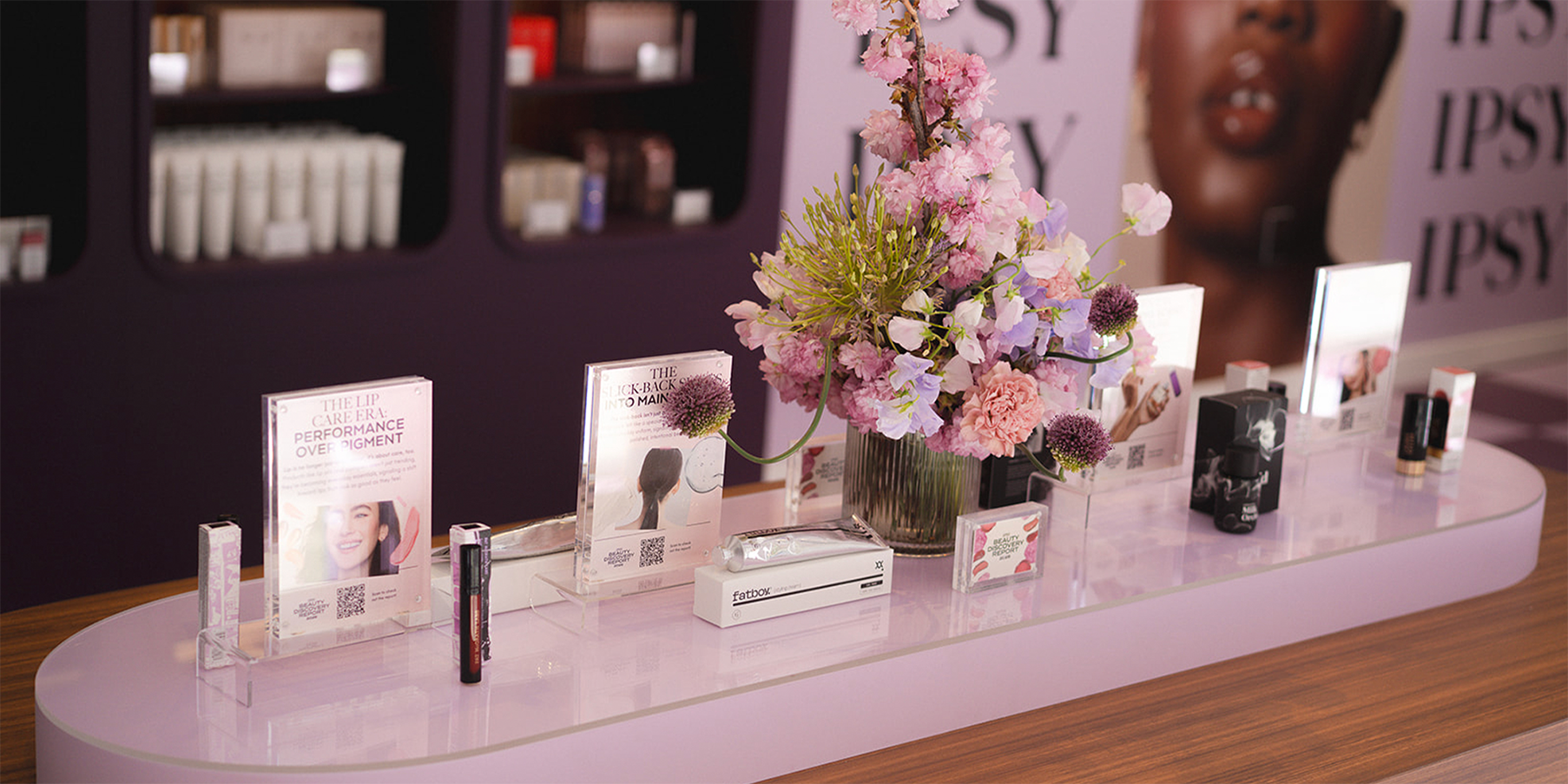

Ipsy is thinking outside the box, literally, leaning into creators, regional activations and IRL experiences as it attempts to stay culturally relevant in a beauty industry that has absorbed many of its early innovations.
Along with FabFitFun, Ipsy is one of the few beauty subscription box companies of consequence left standing. Birchbox, once the category’s defining brand, struggled to maintain relevance as consumer behavior shifted, and it changed hands. Other smaller, more niche players have either folded or diversified beyond beauty. The contraction of the subscription landscape shows what happens when beauty discovery platforms fail to evolve, and Ipsy is trying to avoid that fate.
The beauty subscription giant is now positioning itself as a discovery-to-trial engine that bridges the gap between online and IRL product testing as the once-booming subscription box market has contracted and younger consumers turn to social commerce to find the latest products. Ipsy partners with 400 brands, including Tarte, Color Wow, Drybar, Pacifica, Rare Beauty, Laura Mercier, First Aid Beauty, Anastasia Beverly Hills, E.l.f. Cosmetics, Prados, The Nue Co., Dieux, Versed, Elemis and Rodial, and it tests roughly 8,000 products annually. Ipsy discloses more than 70% of its members purchase products they discover through it.
“People are so much more open to trying new things. Just being on TikTok or YouTube might not be enough, though. It still has to be in the hands of the beauty lovers,” says Stacey Politi, CMO at Ipsy, adding, “There’s almost no faster way to do that than with us.”
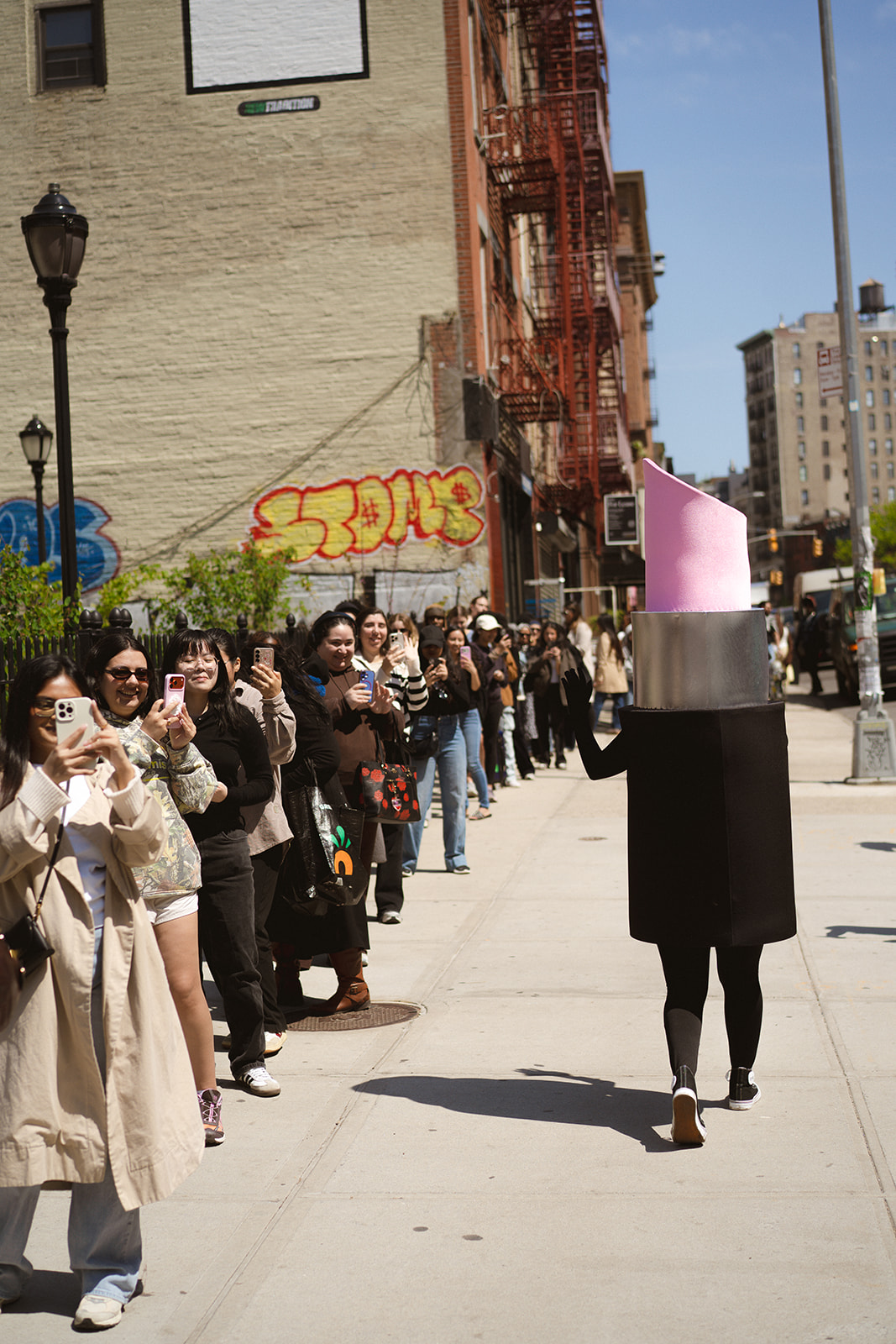
The company is also rethinking how it approaches physical events. Before the pandemic, Ipsy’s Gen Beauty festival, a precursor to Sephora’s Sephoria and Ulta Beauty’s Ulta Beauty World, was among the industry’s largest influencer-driven gatherings, drawing thousands of consumers, creators and brands. With COVID shuttering the event permanently, the company has turned to smaller, targeted activations around the country. It recently hosted several events throughout Texas and Florida.
“We want to visit places that aren’t just where we are always at,” says Politi, noting that Ipsy hosts a few events every month.
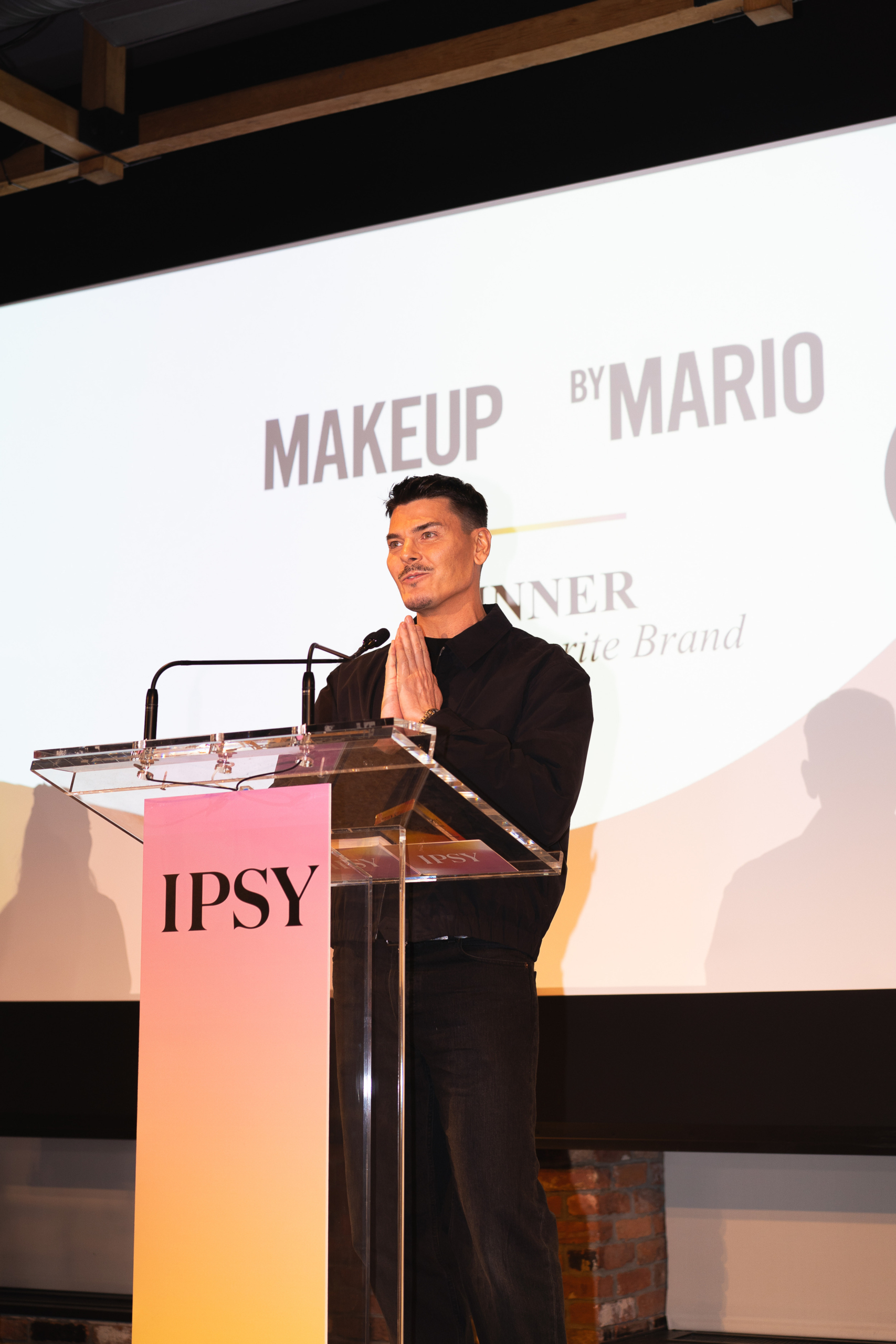
Last month, Ipsy hosted a two-day pop-up in New York City’s Soho neighborhood that offered giveaways, creator appearances and five free full-size beauty products to attendees. Politi says lines wrapped around the block to get in. Ahead of the pop-up, it hosted a creator preview day to generate social buzz and content. The event coincided with Ipsy’s fourth annual Brand & Creator Forum, which brought together more than 50 creators and 80 brands, including E.l.f., Pixi Beauty, Byroe New York, Makeup by Mario, Danessa Myricks Beauty, Earth Harbor, Tower 28 Beauty, LYS Beauty, OliviaUmma, First Aid Beauty, Tarte, Goldfaden MD and Sonage Skincare. The event included founder panels, product discovery sessions and the company’s Ipsies awards program.
On social, TikTok and Instagram are Ipsy’s strongest acquisition channels. The company has 4.1 million followers on TikTok and 3.2 million on Instagram. According to Politi, it’s the third-largest beauty brand on TikTok. To keep the content engine humming, it taps a community of more than 2,000 content creators across paid partnerships, product seeding and organic collaborations.
Ipsy’s audience remains predominantly female, with shoppers between the ages of 25 and 45 representing its biggest cohort. This year, they’re gravitating toward lip oils and treatment-oriented lip products like Gisou’s Honey Infused Lip Oil, Summer Fridays’ Dream Lip Oil and Tatcha’s Camellia Gold Spun Moisturizing Lip Balm. “Blonzers,” hybrids that combine blush and bronzer, along with other multitasking products, are also seeing momentum. Charlotte Tilbury’s Beauty Wand Duo in Pillow Talk + Pinkgasm has been a huge hit. Making its Ipsy debut this year, YSL Beauty’s Lash Clash Extreme Volume Mascara and Candy Glaze Lip Gloss Stick are receiving positive reviews from shoppers.
“We want to visit places that aren’t just where we are always at.”
In 2025, Ipsy sold $2.1 million in blush, a 34% increase from the year before, with Rare Beauty’s Soft Pinch Liquid Blush, Kosas’ Blush Is Life Brightening Blush, Fenty’s Cheeks Suede Powder Blush and Saie’s Glow Sculpt Multi-Use Cream Highlighting Blush among the top sellers. Tarte’s Maracuja Juicy Lip Gloss was the top-selling lip gloss last year.
Makeup remains Ipsy’s best-performing category, although skincare and wellness-adjacent products are accelerating as shoppers prioritize results-driven ingredients like peptides and PDRN. The company is looking to expand further into wellness by adding ingestibles and sexual wellness products to its lineup. Fragrance has been one of Ipsy’s leading growth categories this year. Sol de Janeiro’s Cheirosa 76 Perfume Mist and Evereden’s Hair and Body Fragrance Mist have seen the most traction. This July, Dolce & Gabbana will launch on Ipsy with Light Blue Eau de Parfum.
Ipsy currently offers three membership tiers: Original, which costs $15 a month for five deluxe samples; Extra, which costs $32 a month for five full-size products; and a premium offering called Ultimate, priced at $62 a quarter for eight full-size products. A recent Ultimate box delivered a combined value of roughly $500. Original is the most popular membership, although customers frequently move between tiers. Politi says, “People are constantly moving up.”
Moving into the second half of 2026, Ipsy is hyper-focused on building cultural relevance, particularly through in-person activations and strategic partnerships. The company is the official beauty sponsor of the WNBA’s Las Vegas Aces. Politi says, “IRL, especially post-COVID, is so big.”
Founded in 2011 by beauty influencer Michelle Phan with Marcelo Camberos and Jennifer Goldfarb, Ipsy raised a $100 million series B round in 2015 from investors including TPG Growth and Sherpa Capital that reportedly valued the company at around $800 million. It acquired rival BoxyCharm in 2020 in a deal valued at $500 million, creating parent company Beauty For All Industries (BFA). At the time, the combined business said it was on track to surpass $1 billion in annual revenue and serve more than 4 million subscribers globally.
Two years later, TPG Growth injected another $96 million into the company, with former CEO Camberos telling Forbes, “Tech and personalization is our biggest growth lever, especially with our 200 million-plus product reviews. That’s more beauty reviews than on Amazon or any other platform.”
Last month, Personalized Beauty Discovery, Inc., the corporate entity behind BFA, filed a Form D with the United States Securities and Exchange Commission for a securities offering that includes equity and equity-linked instruments. The filing doesn’t disclose an amount and indicates the offering isn’t expected to last more than a year. In 2023, BFA shuttered in-house incubator Maeby Collective, the generator of TikTok star Addison Rae-affiliated cosmetics brand Item Beauty, singer Becky G.-connected cosmetics brand Treslúce Beauty and makeup brush brand Complex Culture.
Today, cities like New York, Los Angeles and Chicago are prominent hubs for Ipsy members, but it’s experiencing rising demand from shoppers in what Politi refers to as “beauty deserts.”
“It could be a woman in the middle of Montana who doesn’t have easy access to a Sephora or an Ulta,” she says. “We are able to tap into those markets that aren’t necessarily accessible to other retailers.”

Leave a Reply
You must be logged in to post a comment.