Fundamental Brands Invites The Public To Invest As It Acquires And Reenergizes Beauty Assets
Beauty’s newest holding company player, Fundamental Brands, has begun rolling up small beauty assets, starting with skincare label Amala and Black haircare brand and manufacturer Lucky Heart, and is now raising capital to fuel additional acquisitions.
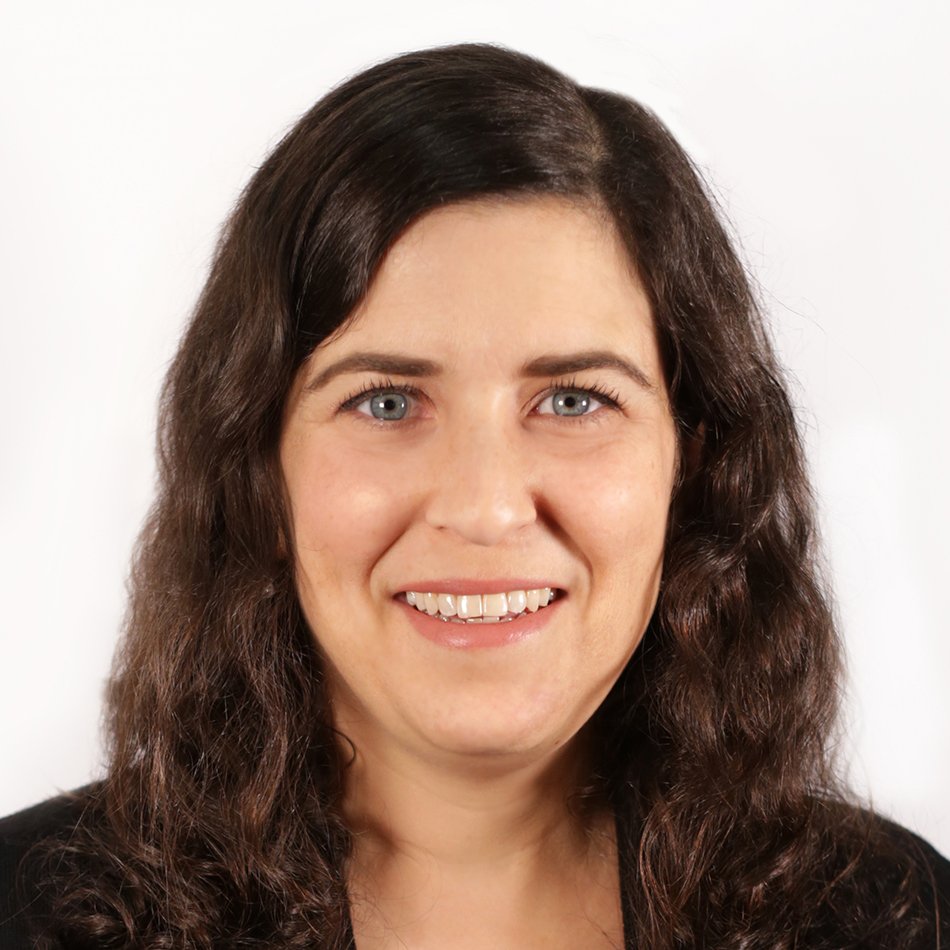
Fundamental Brands was founded by Sam Genovese, a longtime healthcare and manufacturing executive who most recently served as COO of KRS Global Biotechnology; Jack Takacs, the company’s executive chairman and an operations-focused partner whom Genovese met through the over-the-counter manufacturing side of the business; and Edward Klayman, co-founder and CEO of insurance marketing company IMAC. Genovese previously placed one of the earliest topical CBD pain creams with leading mass-market retailers.
The co-founders are joined by CEO Mark Hauman, formerly chief financial and supply chain officer at beauty contract manufacturer Cosmetic Solutions, and CMO Alison Mosca, whose marketing background spans consumer packaged goods brands and agencies.
Fundamental Brands expects to have as many as six brands under its umbrella by the end of 2026, according to Genovese, focusing on companies within the beauty and wellness universe generating $2 million to $50 million in revenue that demonstrate strong product-market fit but have seen growth stall and lack the infrastructure to scale efficiently. Fundamental Brands generally acquires 80% to 90% of its portfolio companies and aims to keep founders involved with meaningful ownership stakes. The company is pursuing a fragrance license holder to bring into its portfolio.
“We’re centering around building a portfolio of differentiated brands that have strong core identities, but need strategic, operational or capital support to accelerate growth and expand their reach,” says Genovese. “We’re not just focusing on a single category or a price point, but rather on finding distinctive brands with authentic consumer appeal.”
Genovese traces the roots of the idea for Fundamental Brands to noticing many promising consumer brands struggling to maintain momentum once they hit operational or capital constraints. Rather than operating as an incubator or traditional private equity firm, he describes the company as a shared-services platform across manufacturing, marketing, finance, distribution and back-office functions.
Headquartered in Delray Beach, Fla., Fundamental Brands currently employs about a dozen people at the platform level, with teams centralized in areas such as marketing, sales, product development, legal and operations. As new brands enter the portfolio, existing management teams typically remain in place, while Fundamental Brands layers in shared resources where brands are deficient on specialized expertise. The goal, Genovese says, is to address weaknesses without stripping brands of autonomy or identity.
To help fund future acquisitions, Fundamental Brands has launched a Regulation Crowdfunding raise, a structure permitted by the U.S. Securities and Exchange Commission that allows everyday investors to buy private securities in early-stage companies with relatively low minimum investments. Facilitated by broker DealMaker Securities, the raise could draw up to $5 million, with investments starting at $500, and proceeds earmarked for brand acquisitions as well as follow-on investment in manufacturing, marketing and operational infrastructure.
Fundamental Brands outlines that the raise is structured around revenue-based royalties, with investors receiving monthly payouts tied to company revenue and subject to minimum and maximum annualized return thresholds. The company publicizes that it’s opening a separate 506(c) Regulation D offering for accredited investors to allow for larger individual investment amounts.
Genovese says, “This is truly a unique opportunity for the public to own part of brands that they love and use.”
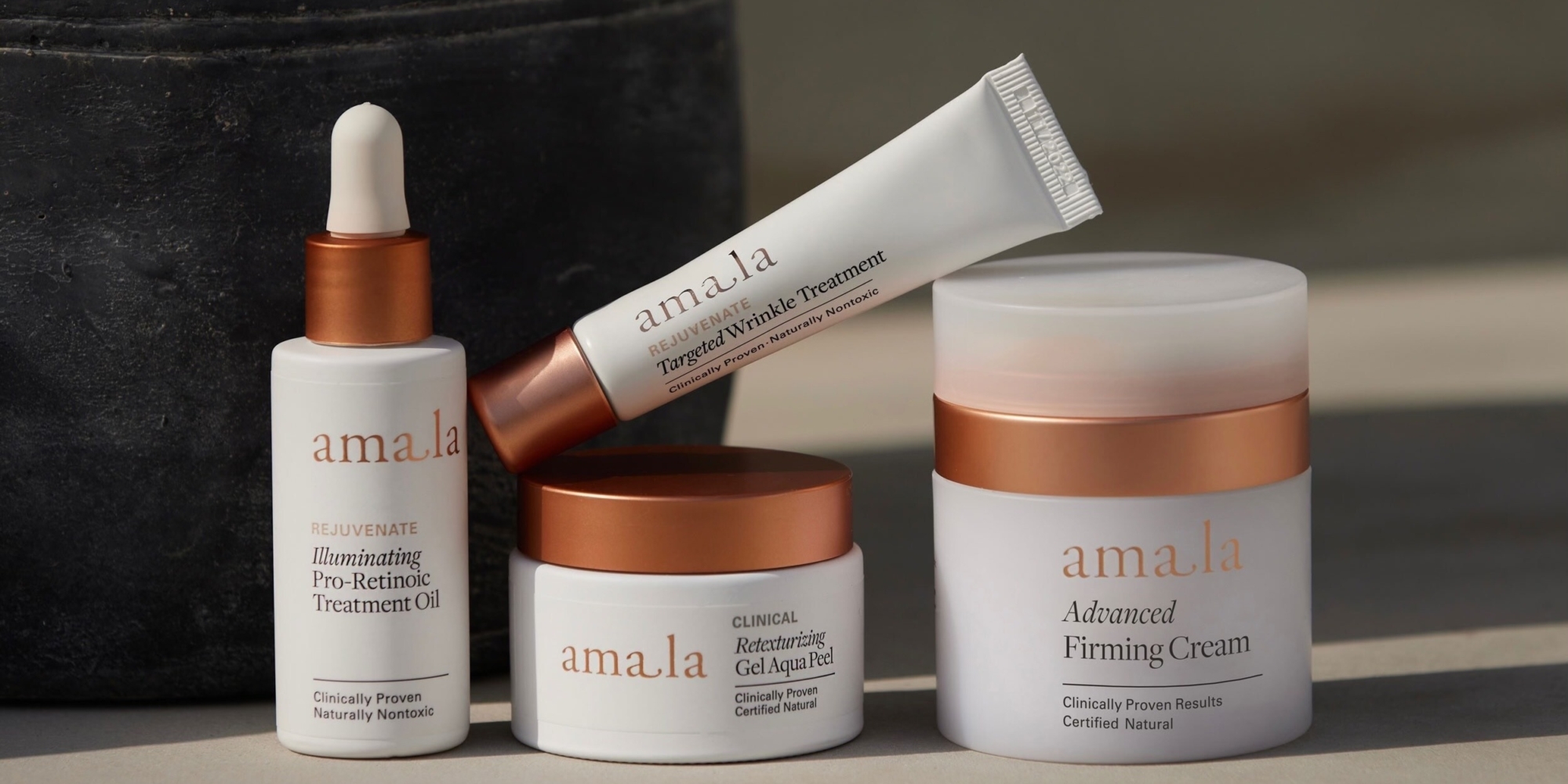
Amala sits at the cornerstone of Fundamental Brands’ business and is a test case for its operating model. The brand previously generated as much as $6 million in annual revenue before sales slid to about $1.5 million after an ownership change, a prolonged manufacturing transition that led to stockouts and an overreliance on spa distribution. Fundamental Brands believes Amala could triple its sales this year as it refreshes the brand and reintroduces it to a broader audience.
A key pillar of the refresh is recalibrating prices to situate Amala in the affordable luxury tier of the skincare market. For example, Amala’s Advanced Firming Cream, which previously retailed for $248, will be repriced at roughly $148 to $150. The objective is to widen the brand’s consumer base to younger shoppers without alienating its loyal customers or chasing gen Z trends.
“We’re not just focusing on a single category or a price point, but rather on finding distinctive brands with authentic consumer appeal.”
To amplify the brand, Fundamental Brands plans to invest about $1 million in Amala’s marketing this year, including for paid media, organic storytelling and retail promotion. The push will be bolstered by a partnership with Brooke Burke, who Genovese says will serve as a brand ambassador, with a national video campaign slated to start later this year on linear and connected television.
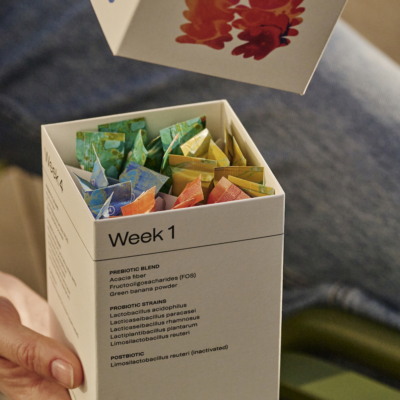
At the product level, Amala’s refresh is anchored in its natural-meets-science formulation philosophy. The brand centers on a proprietary biofermentation blend of pre-, pro- and postbiotics intended to strengthen the skin’s microbiome, challenging the notion that natural skincare compromises performance.
“We want to honor the biology of the skin and work with it rather than against it,” says Mosca. “When science elevates nature, the skin can show its true beauty.”
Amala’s retail program is being guided by Kim Banchs, a veteran beauty sales and business development executive with more than 18 years under her belt directing skincare, fragrance and haircare brands in specialty, department store, mass and television shopping retailers like Ulta Beauty, Sephora, Nordstrom and QVC. Banchs identifies QVC, Sephora, Ulta and Nordstrom as priority targets as the brand gears up for wholesale with its refresh.
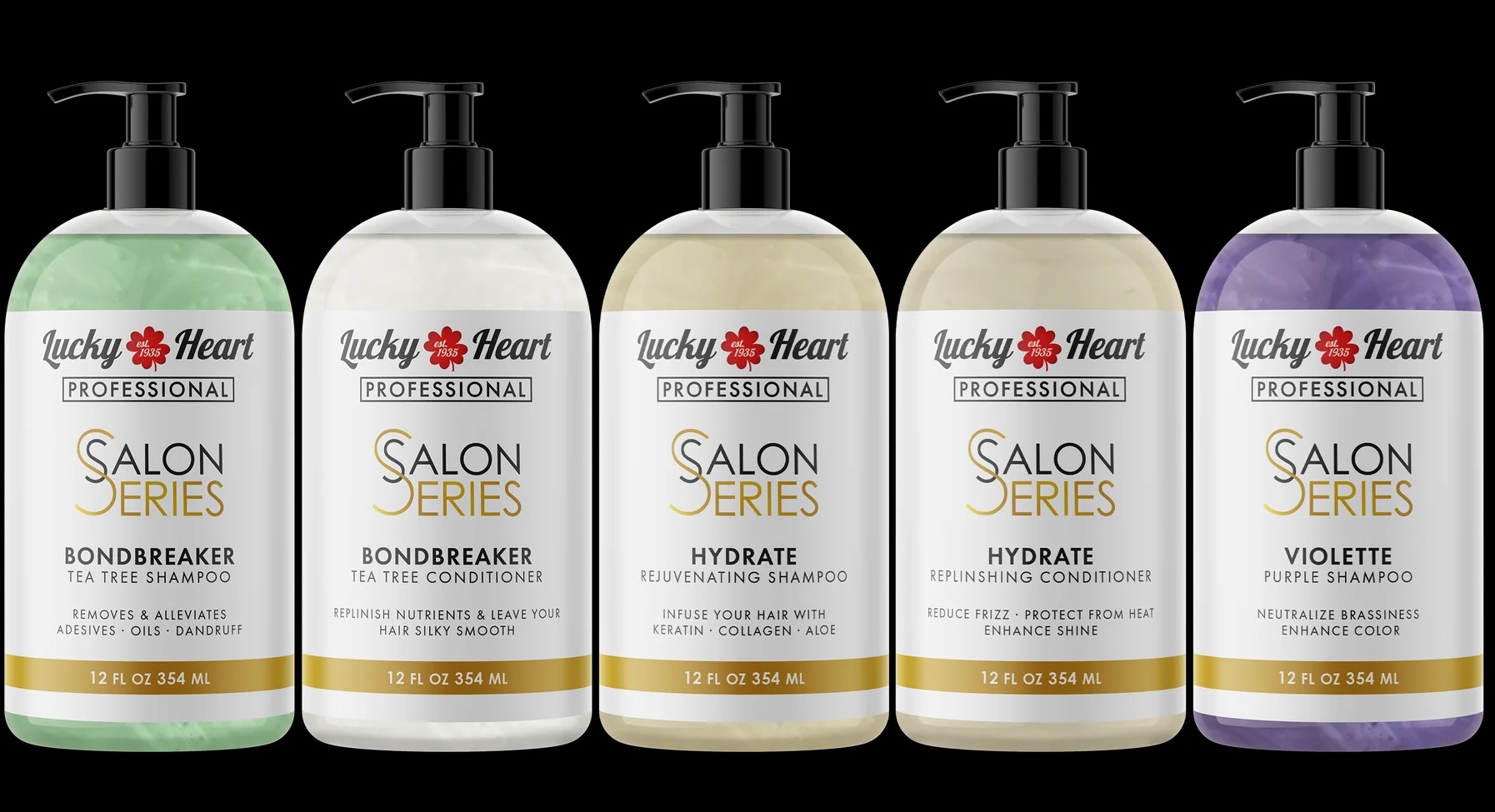
Lucky Heart offers a different lens on Fundamental Brands’ acquisition approach. Dating back to 1935 in Memphis, haircare and skincare brand Lucky Heart has been a staple in the South for textured-hair consumers. Beyond the brand itself, what attracted Fundamental Brands was Lucky Heart’s in-house manufacturing operation. It’s produced products for third-party brands and can accommodate relatively low minimum order quantities—5,000 units or fewer—giving it flexibility to serve emerging brands without the budgets required by larger contract manufacturers.
Beyond Lucky Heart’s in-house production capacity, Fundamental Brands has assembled a manufacturing network to provide flexibility for scale and speed to market. It has relationships with manufacturers Cosmetic Solutions in Boca Raton, Fla.; Ouachita Contract Manufacturing in Monroe, La.; and Next Level Beauty in Boca Raton, Fla. Fundamental Brands also develops and manufactures private-label beauty and personal care products for CVS.

Leave a Reply
You must be logged in to post a comment.