Henkel is backing Ruka, the British textured hair brand known for its synthetic wigs, weaves and braiding hair, as part of a $4.5 million funding round to fuel fiber innovation, retail expansion in the United States and education initiatives.
The conglomerate, which has been active on the mergers and acquisitions front this year with deals for Olaplex and Not Your Mother’s, co-led the round through its venture capital arm Henkel Ventures with Freedom Trail Capital, an investor in Sienna Naturals and A-Frame Brands. Other participants were Big Issue Invest and Backed VC along with several angel investors, including sprinter Dina Asher-Smith, supply chain expert and former McKinsey & Co. partner Knut Alicke, retail and M&A expert Sophia Dennis and Vital Versatility founder Didier Morais.
“Ruka has developed a strong brand with a clear focus on its target consumer and a thoughtful approach to product development,” says Tobias Botenwerfer, investment principal at Henkel Ventures, in a statement. Samyr Laine, co-founder and managing partner of Freedom Trail Capital, adds, “[Co-founders CEO] Tendai [Moyo] and [chief strategy officer] Ugo [Agbai] built this brand during one of the most challenging periods for consumer businesses, scaled through an authentic community and are now pioneering biotech innovation that could reshape an entire category.”
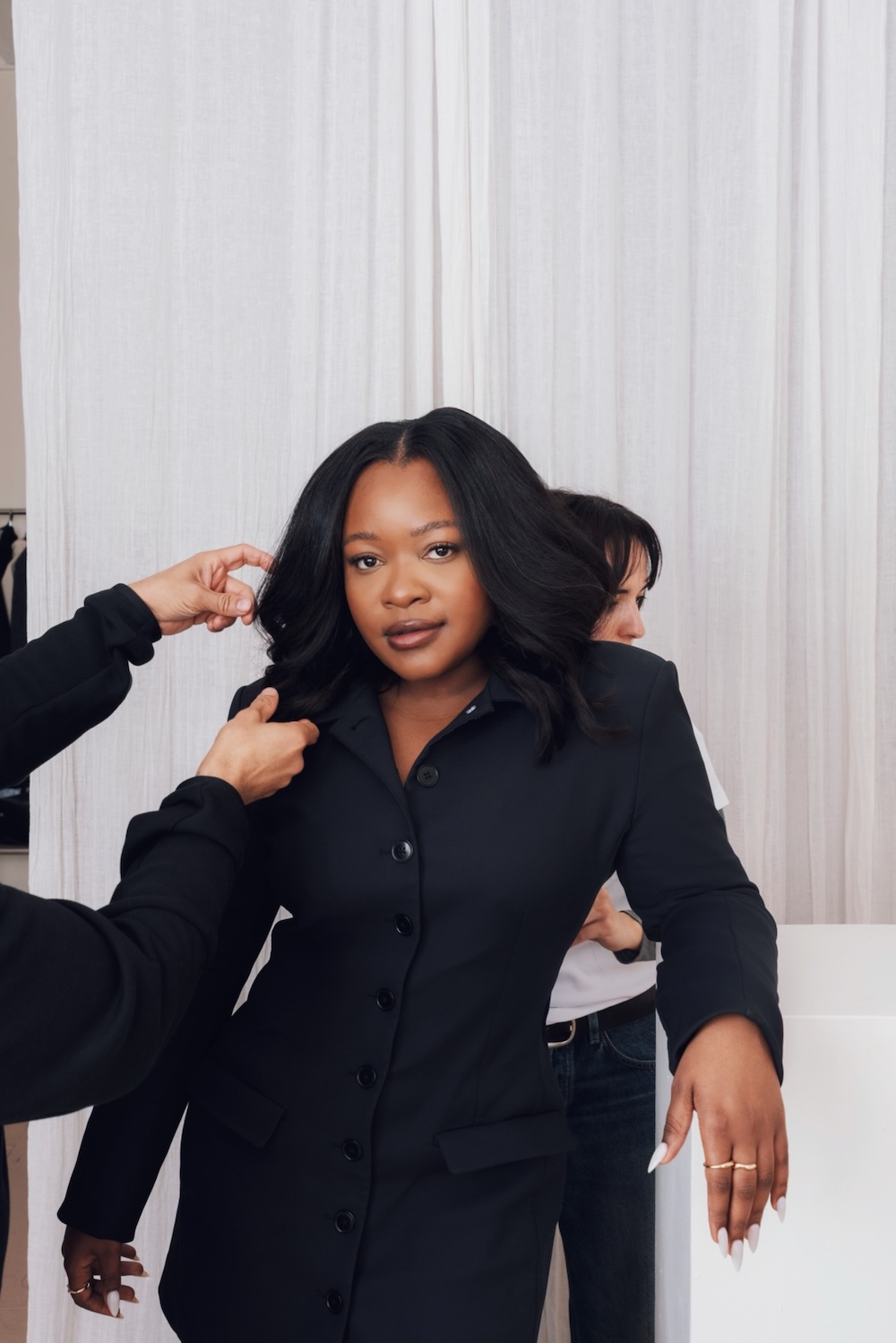
Securing a total of $10 million in lifetime funding, Ruka launched in 2021 with a goal to disrupt the global hair extensions market and reimagine an otherwise archaic experience for people with textured hair. Last year, the brand released Synths 2, next-generation braiding hair made from collagen protein fibers produced in Japan that claim to be safer and better performing than synthetic wigs, weaves and extensions.
Moyo says, “We call ourselves the Apple of haircare because we want to create this ecosystem of textured hair products that are led by science and innovation.”
Ruka filed a patent application in 2025 for Synths 3, an evolution of its synthetic hair due out in the first quarter of next year featuring shape memory technology that, similar to human hair, allows users to straighten and curl the hair before it reverts to its original texture after it’s washed. Moyo sees the innovation as a critical part of making the hair extensions industry more ethical.
“We want to eradicate human hair out of the whole ecosystem because, when you really take a step back, this is the only industry where it requires extracting something from another human,” says Moyo. “It’s a very exploitative industry that relies on a certain level of poverty and dependency on offering something that is meant to make you feel beautiful and is an expression of identity.”
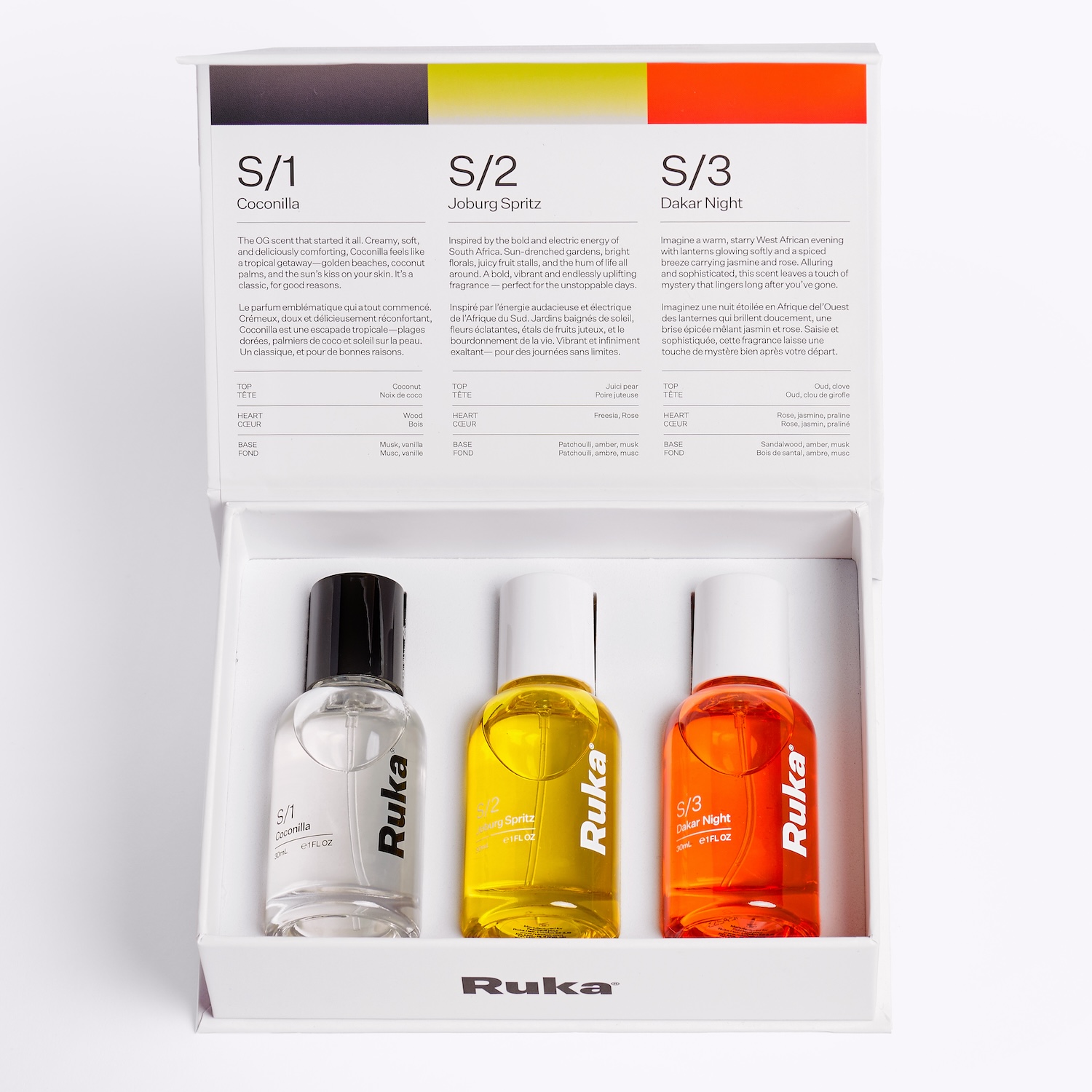
Synthetic hair lowers price barriers, too. Ruka sells human braiding hair on its website starting at $170 per bundle, while its Synths 2 version sells for $31. Along with wigs, weaves and extensions, the brand offers liquid haircare products and tools such as gels, brushes and hair perfume. Behind extensions, hair perfume is its bestselling category.
“We call ourselves the Apple of haircare because we want to create this ecosystem of textured hair products that are led by science and innovation.”
Ruka entered luxury British retailer Selfridges in 2022. The brand is expanding into an undisclosed American retailer in late June. Currently, the U.S. accounts for 47% of its customers, with the United Kingdom ahead slightly at 48%. The European Union and Africa account for the remaining 4% and 1% of customers, respectively.
Discussing Ruka’s decision to begin retail at Selfridges, Moyo says, “We really wanted to premiumize the experience, not necessarily in price, but in what the customer was exposed to in terms of education.”
Ruka opened a warehouse on the East Coast of the U.S. last week to support the brand’s international expansion and to increase shipping speed and reduce costs. The brand anticipates the U.S. expansion fueling 101% year-over-year growth by April 2027.
B2B comprises 14% of Ruka’s business and involves selling wigs and extensions to companies such as the National Theatre and professional hairstylists working on productions for Netflix and Apple TV+. The brand has also partnered with companies like Gymshark to create sweat-wicking headbands and Schwarzkopf’s sub-brand Osis on content surrounding its forthcoming curl spray.
Education is another priority for Ruka that will get a boost from the new funding. The brand plans to continue informing customers about textured haircare and how to get the most out of its products. On top of that, it’s investing in academic research around the safety and toxicology of hair extensions.
Ruka is releasing a report conducted with the University of Manchester examining safety concerns tied to hair extensions, an area that has come under increased scrutiny following recent studies linking certain extensions sold in the U.S. to cancer and hormone disruption, findings researchers have since debated. Moyo acknowledges limitations in the existing research, but believes further investigation is necessary.
“That doesn’t mean the research in itself is bad, but we need more,” says Moyo. “This is a category that has historically lacked transparency, so there’s low consumer trust.”
The latest funding round has prompted Moyo to think more deeply about the topic of brand exits, which can be polarizing within the Black community, where acquisitions are sometimes viewed as founders selling out. Moyo often weighs what she considers a positive business outcome against what the community Ruka serves may view as success.
“Closing down is not good, but an exit seems to also not be good, and then investment is like, who are you raising the investment from and is it reducing?” she says. “A good outcome for me is having enough capital to actually make this a category-defining brand that creates high-quality, safe products for the consumer, and that means being around.”
She concludes, “I haven’t yet decided whether that means that we sell or we don’t sell. I just know that we have to be well-capitalized, otherwise you risk that business not existing, which I don’t think is a good outcome for anyone.”