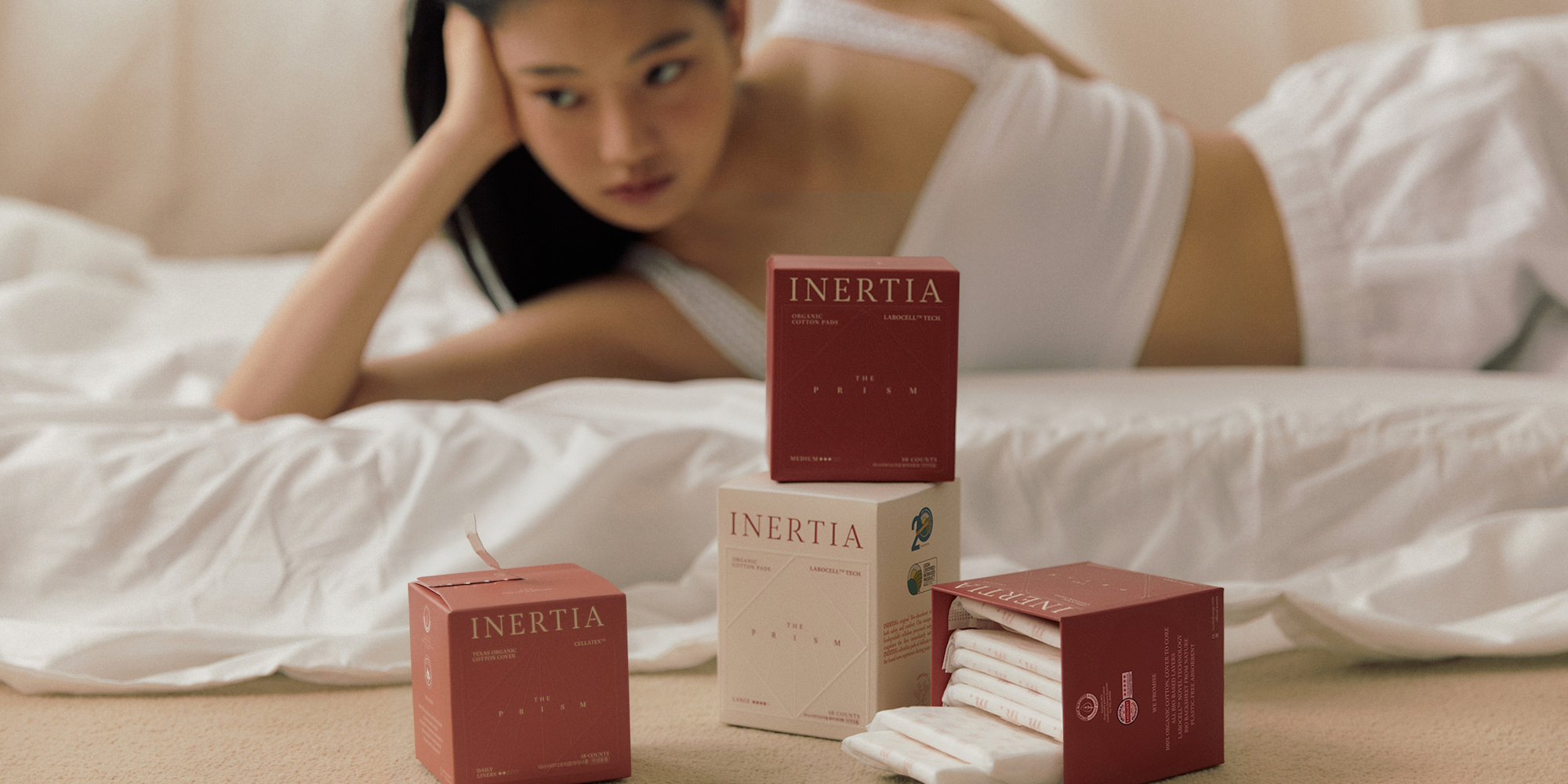
Inertia, Olive Young’s Top Period Care Brand, Launches In The U.S. With New Absorbent Technology

Inertia, a South Korean startup founded by scientists from the Korea Advanced Institute of Science and Technology, is applying new technology to a category whose core absorbent materials have changed little in decades: disposable period care.
Now, the company is launching in the United States with Prism Pads, menstrual pads it describes as microplastic-free. Featuring a 100% organic cotton top sheet, sugarcane-derived backsheets and Labocell, Inertia’s patented plant-derived cellulose absorbent core technology, the pads are available in regular and heavy absorbency options and priced at $7.99 for an 18-count pack and $29.99 for a 40-count value pack. They’re sold on the brand’s website, where subscriptions are available, and on Amazon and TikTok Shop. Inertia products are HSA/FSA eligible.
“It was like a betrayal to me to knowing that the pads I’m using are nothing different from the pads my mother used,” says co-founder Seungmin Lee. “Even the organic labels are not really solving the core issues.”
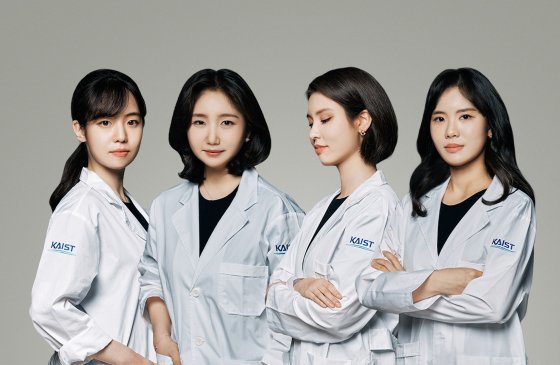
Lee started Inertia in 2021 with three friends, fellow scientists and KAIST classmates: Hyoyi Kim, Eunbie Ko and Jihye Park. The friends set out to address a longstanding pain point for sustainability-minded consumers in disposable period care products: once you get past top sheets made of organic cotton that better-for-you brands offered, the absorbent core of most pads still relies on the same petroleum-based technology that has existed for decades.
The co-founders turned to hemostatic materials used in operating rooms to rapidly stop bleeding as inspiration to innovate in the menstrual pad space. The result was Labocell, a cellulose-based absorbent core designed to replace the conventional synthetic core used in most disposable pads. According to the company, it’s lightweight, breathable and flexible. It took the team about a year to bring the product to market.
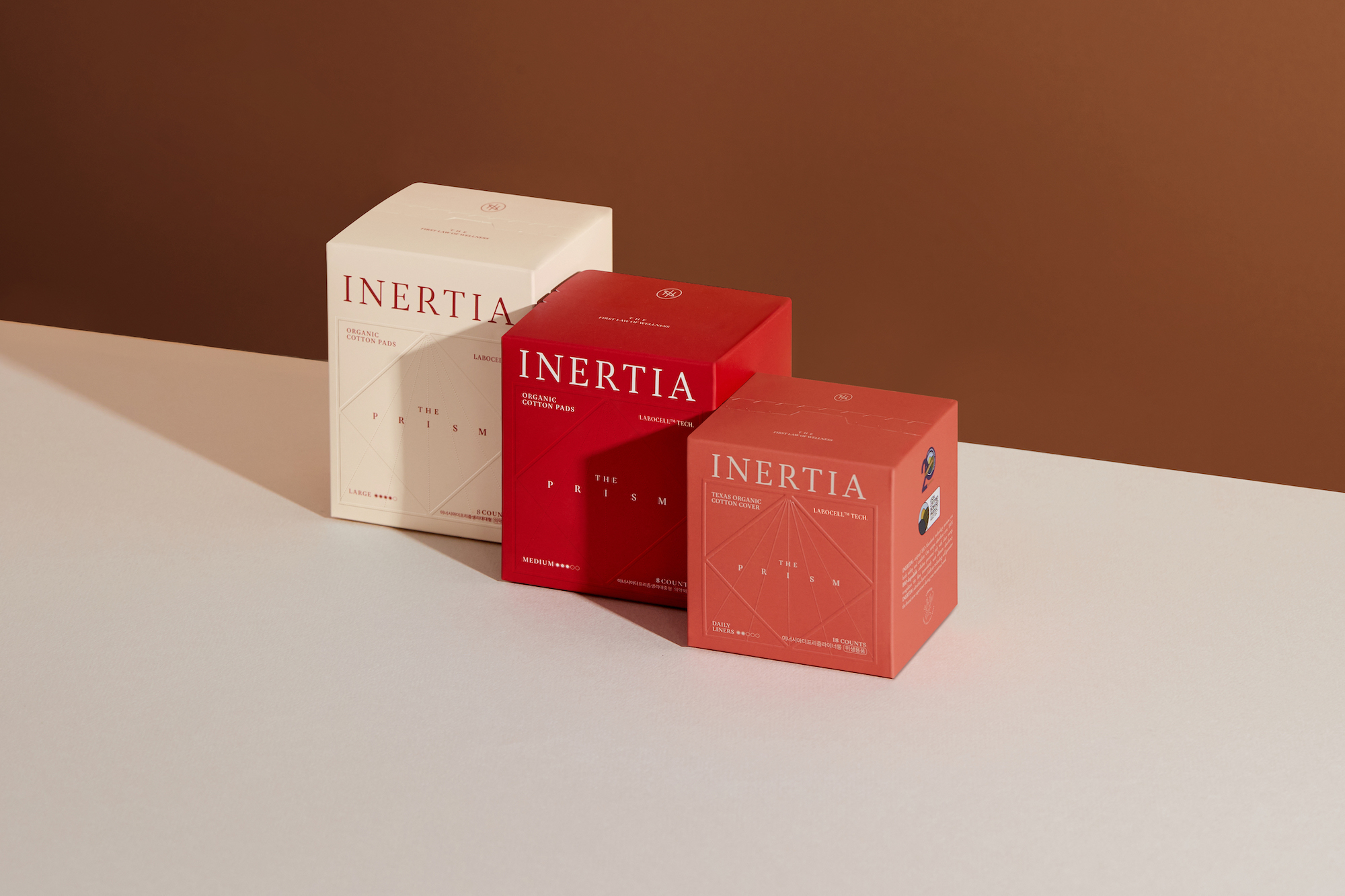
Prism Pads are made without plastic-based absorbent polymers, chlorine, fragrance or dyes. Because pads are worn directly against the skin for extended periods, Inertia evaluates its materials against standards commonly applied to skincare and dermatological products. While Prism Pads’ prices are higher than traditional menstrual pads—Always, for example, generally retails for about $8 for a 42-count pack—they are in line with organic pads from brands like The Honey Pot Co. and Rael.
Since launching in South Korea, Inertia has sold more than 10 million pads. The brand made its debut in direct-to-consumer distribution and entered retail less than a year later. Inertia’s Prism Pads are the No. 1 feminine care product at Olive Young, South Korea’s largest health and beauty retailer, reflecting strong consumer demand in a highly competitive category. In South Korea, the brand also sells an intimate wash and a a women’s wellness supplement powder called Innersitol.
The brand set its sights on the United States because of the market’s sheer size and a growing cohort of consumers seeking better personal care products and, at least in surveys, stating they’re open to paying a premium for them. That conscious demographic helped fuel the brand’s success in South Korea. Lee predicts sales in the U.S. could eclipse sales in South Korea as soon as 2027 or 2028. Inertia is currently in conversations with major American retailers with hopes of landing at them later this year.
“Our consumers were willing to pay for better products,” Lee says. “Our consumers are more conscious about what they are eating and what they’re wearing. What was really important was educating consumers, making them understand why our product is better and better for the environment.”
Lee discloses Inertia has raised $7.5 million in series A funding round to fuel its U.S. expansion in a round that remains open. Previously, the brand raised approximately $1.74 million in funding over two rounds from South Korean investors, including Fast Ventures and FuturePlay. In the U.S., its most obvious competitor is Rael, which has raised $59 million in funding and has hired the investment bank Jefferies to explore a sale. Rael is the leading period care brand on Amazon. The Honey Pot, acquired in 2024 for $380 million, is on the market, too, having secured Raymond James to shop it around.
The North American period care category has had deal activity recently. In November, Essity scooped up Edgewell’s entire period care business for $340 million, including major players like Playtex and Stayfree. The deal followed its acquisition of period underwear specialist Knix in 2022. Canada-based Somedays, a maker of natural period pain relief products, acquired period underwear maker Aisle in December 2023 and New Zealand menstrual brand AWWA Periodcare in January 2025. Lola was acquired by digital brand aggregator Lyra Collective, formerly Forum Brands, in 2024.
Earlier-stage companies have continued to attract funding as investor interest in women’s health grows, including gen Z-focused brand August and science-forward startups Vyld and Sequel. In March 2024, sustainable period care brand The Flex Co. secured a multimillion-dollar investment.
Period care products are an extremely consumable personal care category, one that about half the population will repurchase monthly for decades. However, razor-thin margins make for tough unit economics and therefore a difficult deal environment. Newer startups like Inertia that can charge a premium for their products have stronger financial profiles than legacy players. They’re betting that ingredient- and sustainability-conscious consumers can improve both sales durability and the economics of disposable period care.