
In today’s beauty industry, where consumer loyalty is splintering, trends disappear in a scroll and digital innovation is rapidly reshaping how shoppers discover and evaluate products, business longevity depends on transcending hype cycles and mastering retail.
To explore how brands with staying power continue to generate sales, Beauty Independent convened three leaders on Oct. 29—Laura Geller, founder of Laura Geller Beauty, Michael Marquis, CEO of Raw Sugar, and Lisa Morris, president and CEO of Pierre Fabre U.S.—for an In Conversation webinar examining distribution pivots, product positioning and retail strategy.
Laura Geller Beauty
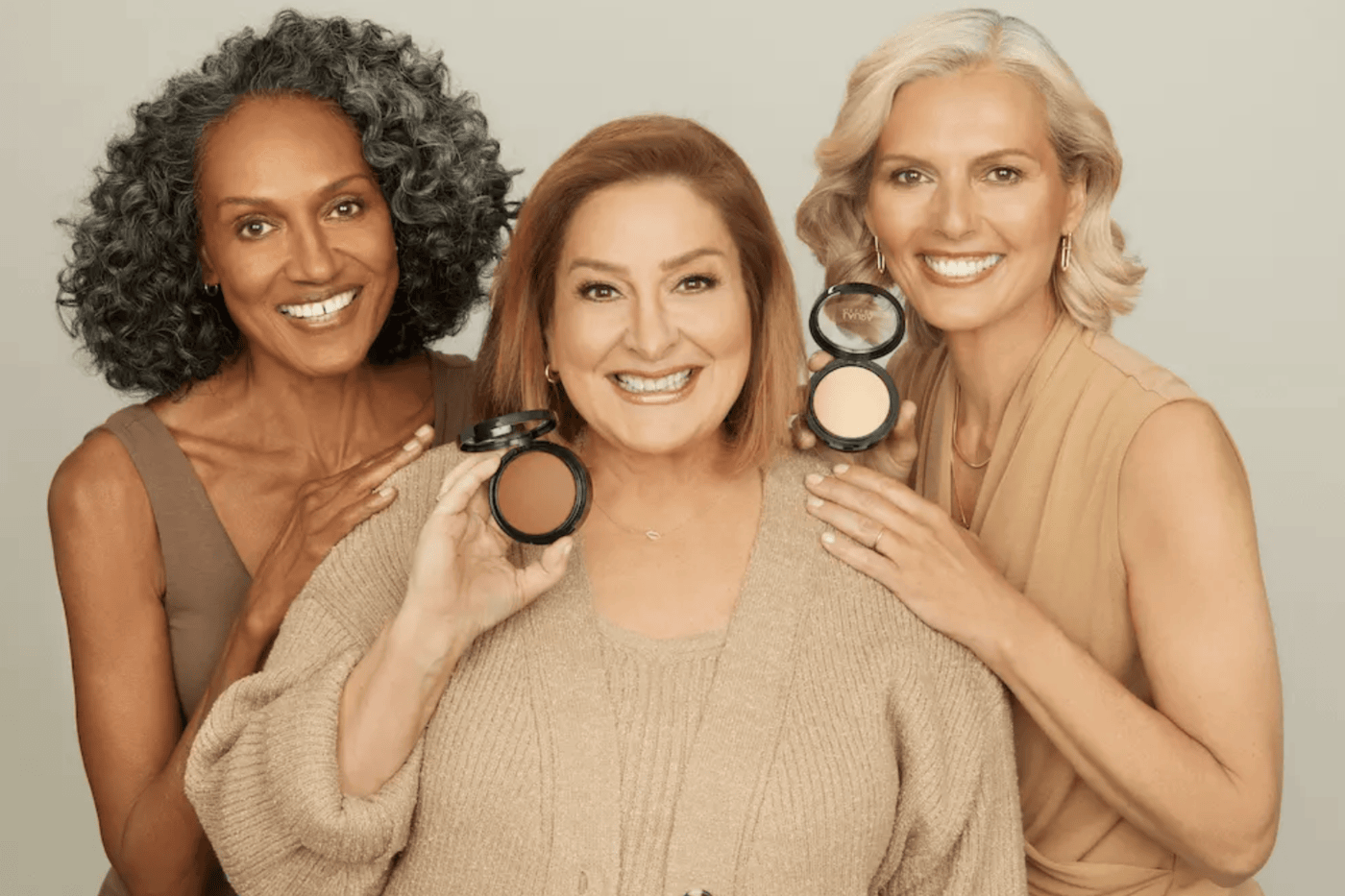
Laura Geller Beauty has navigated a multitude of ups and downs since its launch almost 30 years ago. Initially reluctant to dive headfirst into creating her own brand, Geller, a professional film and television makeup artist, began selling private-label products in the early 1990s after clients repeatedly requested product recommendations from her. She opened a branded store on New York City’s Upper East Side in 1993 that offered makeup application lessons.
An appearance on QVC in 1997 convinced Geller to pivot into formulating her own products, and Laura Geller Beauty was born. QVC has been a crucial channel for Laura Geller Beauty, a brand built on education. To date, it’s sold 4 million units of the hero product Baked Balance & Brighten Color Correcting Foundation on the shopping network.
“I thought it was going to be a one-and-done. I didn’t expect that they would call me back, but we had a great sellout the first time out of the gate,” she said. “And 28 years later, I am still the longest-standing color brand with the founder on QVC.”
From the start, Laura Geller Beauty resonated with customers aged 40 to 80 who wanted to embrace their age and not spend a lot of time on makeup application. The brand’s curated kits like its Baked Starter Kit demystified makeup application for customers seeking guidance. Geller noted that the brand has leaned even more heavily into its core demographic over the last four years as the industry has chased gen Z and gen alpha consumers.
Powered by the success of Spackle Primer, one of the early makeup primers, Laura Geller Beauty entered Sephora in 2005 in about 25 doors before quickly expanding chain-wide. Unfortunately, the partnership proved ill-fated for the brand, which was self-funded at the time. It faced merchandising problems and productivity issues while juggling its business at QVC and Macy’s. By 2008, it was out of Sephora stores.
Tengram Partners bought a controlling stake in Laura Geller Beauty in 2012, rebranded it and tapped industry veteran Elana Drell-Szyfer as CEO. In 2017, it was acquired by Glansaol, a new beauty and personal care company backed by private equity firm Warburg Pincus that acquired Clark’s Botanicals and Julep as well.
However, just a year later, Glansaol filed for bankruptcy and sold off the three brands to AS Beauty, a beauty holding company operated by E.l.f Cosmetics co-founders Alan and Joey Shamah, for $18 million. Geller stressed it was critical that AS Beauty retain the brand’s formulas, and the company agreed.
Speaking of founder-led brands swallowed by larger operators, Geller said, “Let us be us. What I have to offer is product development. I know what she wants. I know how she shops, and I want to be a marketer. I want to bring the product to life. So, they recognized that in me, and they allowed me to really be me and be myself—and that changed everything.”
Laura Geller Beauty handles retail differently now. It recently reentered Sephora through the chain’s website, and it’s available online at Macy’s and Ulta, and on Amazon, where it’s a favorite with customers 40 and above. It pulled out of Ulta stores in 2019. Direct-to-consumer distribution is the brand’s biggest revenue center.
Pierre Fabre
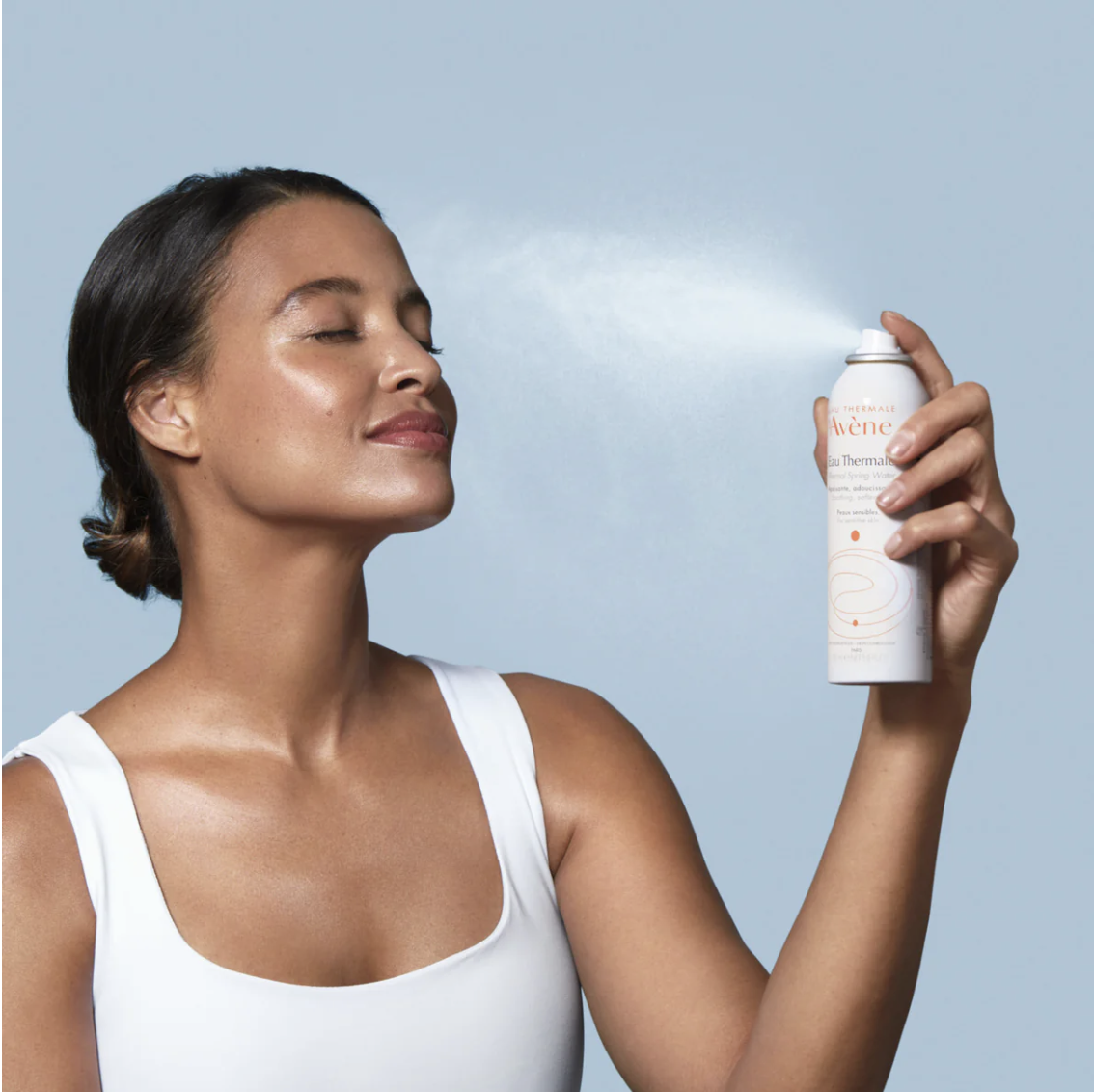
French pharmaceutical manufacturer and consumer brand company Pierre Fabre owns three beauty brands that exist at the intersection of beauty and science: French pharmacy brand Avène, professional haircare brand Rene Furterer and plant-powered haircare brand Klorane. With a deep history in dermo-cosmetics stretching back to the 1960s, Pierre Fabre employs more than 10,000 employees around the world and generated 3.1 billion euros or nearly $3.6 billion in revenue last year.
Avène has been Pierre Fabre U.S.’s No. 1 consumer brand priority since Morris joined the company as president and CEO in 2023 after 25 years in senior leadership roles at L’Oréal, Philips and Galderma. Prior to her appointment, the brand relied on digital channels such as DTC and Amazon for sales. Charged with accelerating growth, Morris pushed the brand further into brick-and-mortar retail.
“From a mass level with skincare…at least 65% of purchases are happening in store and only 30% to 35% online,” said Morris. “When you get to masstige, it can go to 50/50.”
Currently, Avène is widely accessible at retailers like Ulta, Walgreens, CVS and Target, where it landed at select stores earlier this year. Morris said that the brand’s business is split almost evenly between DTC and brick-and-mortar retail. Pierre Fabre plans to expand Rene Furterer and Klorane through American retail moving forward.
Tailoring assortments to suit retail channels is key for Avène. In mass-market outlets, it has a tight selection of around eight products that deliver the most value for their price. Assortments tend to be larger in drugstores, at 20 to 25 products, where customers shop for convenience and tend to boost their carts as they purchase additional essential items.
The customer spans age ranges. Avène’s higher-priced anti-aging products running from $60 to $80 at dermatologists’ offices have gained a following with customers over 40, while organic endorsements from celebrities like Hailey Bieber have stoked excitement for the brand among gen Z and younger millennials. Avène Cicalfate+ Restorative Protective Cream went viral in 2022 after Hailey Bieber posted that she used it to calm irritated skin. Morris said it’s one of the brand’s bestsellers.
Avène harnesses dermatologists to lift brand awareness and conversion. It assembled what it refers to as a Dermfluencer Council to support retail expansion, partnering with one dermatologist influencer per retailer to educate customers and propel store traffic. Avène also has a field team to educate dermatologists about the brand.
“Products have to work and be efficacious. It’s not just puffery or marketing,” said Morris. “It’s have the right products and then tell the story the right way. Ours has always been through the dermatologist recommendation.”
Raw Sugar
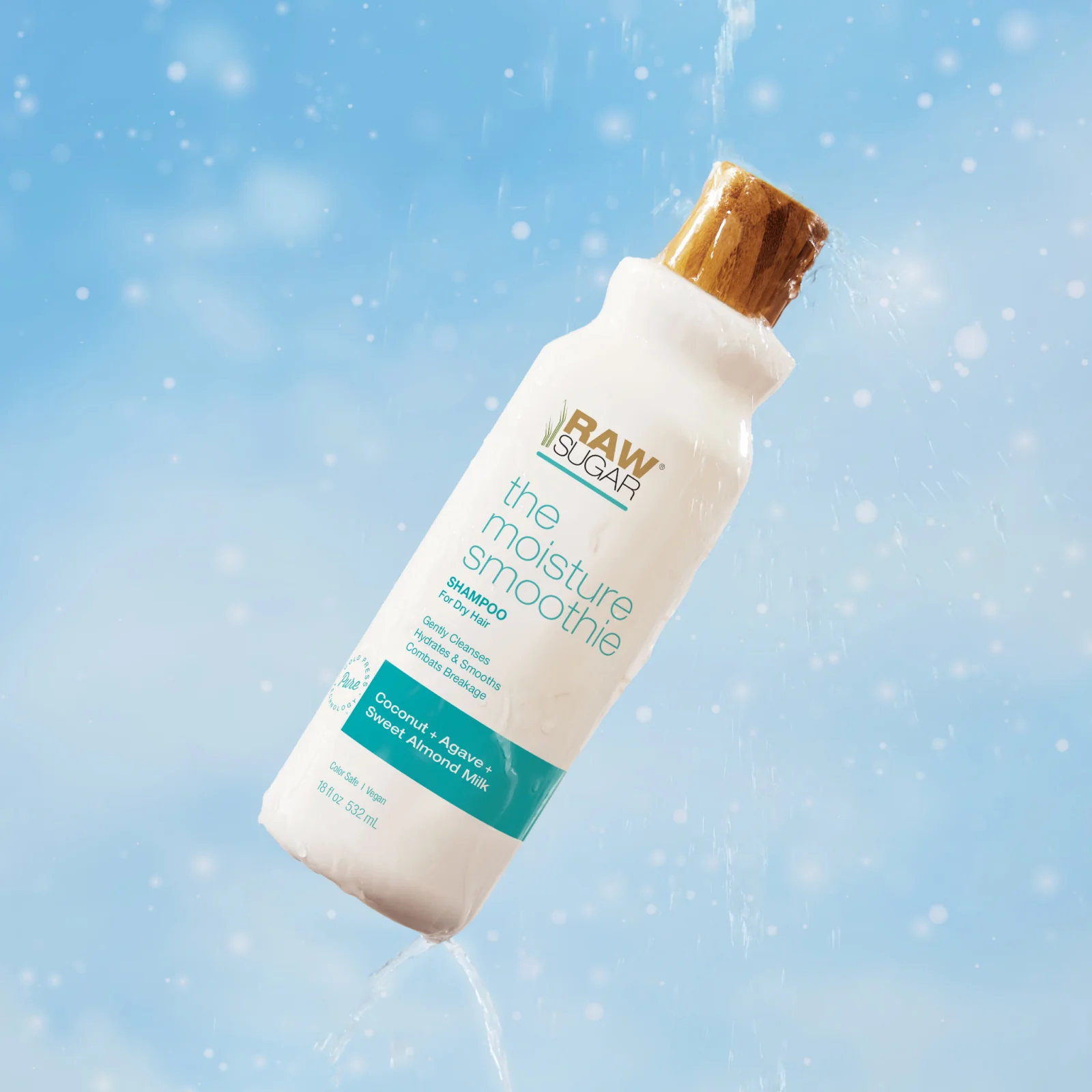
Marquis, formerly global president of Vogue International after Johnson & Johnson purchased the haircare company for over $3 billion, became CEO of mass body care and haircare brand Raw Sugar in 2022. The brand’s momentum was a major lure. Launched exclusively into Target in 2014, it had surpassed $100 million in sales with no DTC sales when Marquis came on board. In 2021, Raw Sugar received private equity backing from WM Partners.
Marquis has broadened Raw Sugar’s footprint. In 2022, it introduced DTC, which mainly serves as a community driver rather than a sales driver. By 2024, the brand had expanded to CVS, Walmart, Amazon and Sally Beauty.
Aimed at value-oriented customers picking up products on weekly shopping trips, Raw Sugar prioritizes store investments over digital ones and uses data on store clusters, demographics, sales velocity and geographic locations to inform those investments. The brand is careful about fixture outlays. Marquis mentioned that end-cap displays have been particularly effective for the brand at retail.
He said, “You have to be really, really close to who the consumer is, their shopping habits and shopping behavior and invest accordingly across those different channels or else you’re going to be trying to convince somebody to change their behavior, which is an expensive proposition.”

Leave a Reply
You must be logged in to post a comment.