
What was Jackie Kennedy without her signature bouffant?
Tuckernuck, the preppy multi-brand apparel and accessories e-tailer known for its Jackie tweed shift dress inspired by the former first lady, appears to believe the answer is not quite complete. It’s entering the beauty category to give its Jackie dress wearers—and those who aspire to be—access to the products they need to create that signature bouffant and countless other looks.
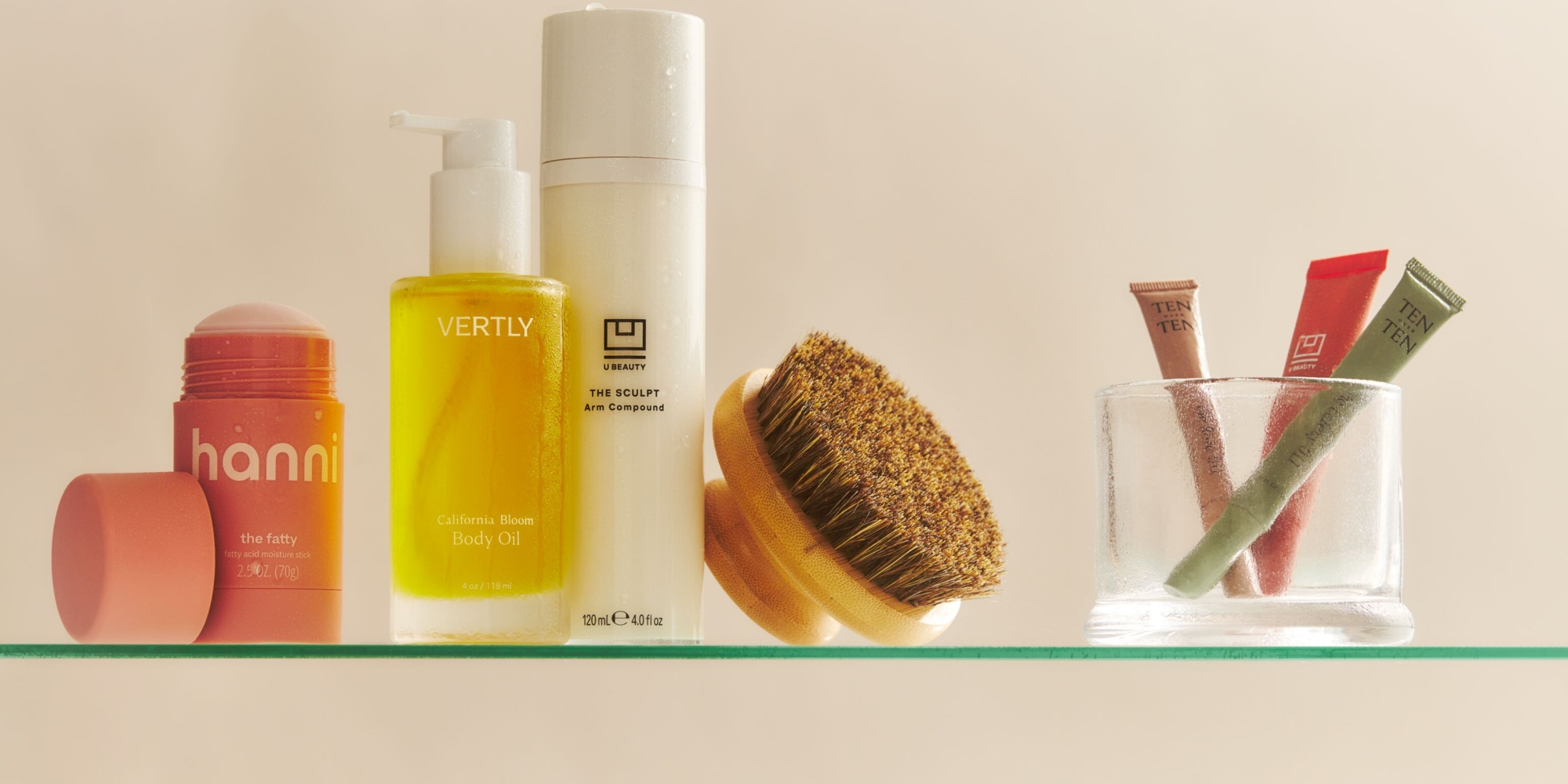
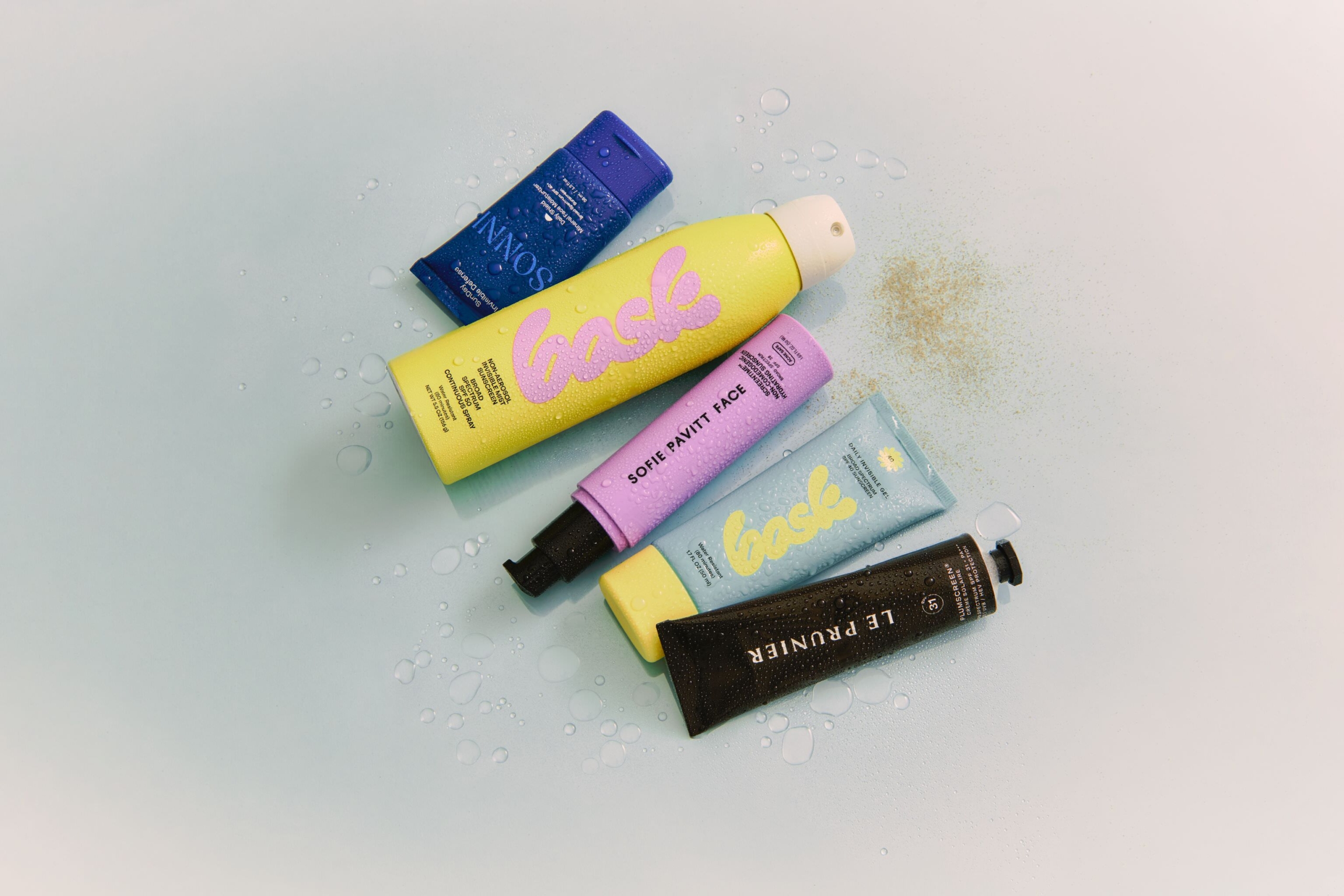
The beauty assortment comprises roughly 20 brands spanning skincare, makeup, haircare, fragrance, bath and body, sun care, candles and tools, including U Beauty, Vintner’s Daughter, Facile, Sofie Pavitt Face, Flamingo Estate, Hanni, Megababe and Jouer. The expansion comes as Tuckernuck, named after a private island off the coast of Nantucket, continues to build on the momentum that has made it one of fashion’s most unassuming success stories. After surpassing $100 million in annual sales in 2021, the company posted 53% year-over-year growth from 2023 to 2024 and was forecasting another 25% increase last year, according to reporting by The Cut and Business of Fashion.
Jocelyn Gailliot, co-founder and CEO of Tuckernuck, suggests the e-tailer views beauty as a core component of its lifestyle proposition rather than an impulse purchase or basket-building category. “The Tuckernuck customer doesn’t think of fashion, home, gifting and beauty as separate categories. We’re her one-stop shop,” she says. “She’s looking for trusted brands to help her discover the very best products across every aspect of her life. We saw a clear opportunity to bring our point of view into beauty with the same thoughtful curation our customer already knows and trusts.”
She adds, “Our focus is on launching the category thoughtfully and continuing to learn from our customer as we grow. We keep the assortment tight so that it reflects only our favorites. Every product we carry is something we genuinely love and would enthusiastically recommend to a friend.”

Gailliot emphasizes that discovery is essential to Tuckernuck’s proposition. “We hope Tuckernuck becomes a platform for emerging beauty brands, helping them reach a broader audience while preserving the qualities that make them special,” she says. “We’d love to collaborate with our brand partners on exclusive products and collections, giving our customers even more reason to discover something new through us.”
Founded in 2012 by Gailliot, her sister Madeline Grayson and September Votta, Tuckernuck has carved out a niche through its modern interpretation of preppy style. The company has bootstrapped outside of a $3 million friends and family round secured in 2015.
The Jackie dress has made Tuckernuck something of a cultural lightning rod after becoming a staple among Republican women in Washington, D.C., where the company is headquartered. White House Press Secretary Karoline Leavitt has worn Tuckernuck designs during press briefings. Puck, however, has chronicled the company’s sales growth in largely Democratic cities like San Francisco and New York, indicating its appeal is bipartisan.
A Washingtonian article from January described Tuckernuck’s “classic with a twist” aesthetic as “crafted for exactly the kinds of women who run D.C.: ambitious, professional, wanting to look put-together without burning too much energy on clothes.” The article concluded, “It’s working.”
“The Tuckernuck customer doesn’t think of fashion, home, gifting and beauty as separate categories. We’re her one-stop shop.”
Making beauty work could be harder. A number of Tuckernuck’s e-tail peers have struggled in the category. Farfetch launched its beauty business in 2022 with ambitions of becoming a global luxury beauty destination, but moved away from the category before its sale to South Korean e-commerce and technology company Coupang in 2024 saved it from financial collapse. Once considered an early leader in luxury online beauty, Net-a-Porter exited in 2024 as it faced profitability problems. MatchesFashion invested heavily in beauty before entering administration, also in 2024. Revolve, Moda Operandi and Amazon-owned Shopbop still offer beauty.
Tuckernuck is operating on a wholesale model with brands rather than through marketplace or drop-shipping agreements like many e-commerce players. Gailliot says every product gets personally tested by the merchandising team before joining the assortment. Although private label is a significant part of Tuckernuck’s fashion business, there are no current plans for an in-house beauty brand.
Tuckernuck will support beauty with an editorial- and community-driven playbook similar to the one that has proved successful in its fashion business. Beauty will be woven into its newsletters, social media channels and influencer partnerships, highlighting founder stories, hero products and product launches rather than promotional messaging.
Beauty will become part of Tuckernuck’s growing brick-and-mortar presence. Since opening its first Washington, D.C., boutique in 2016, the company has expanded into Manhattan’s Upper East Side neighborhood and Nantucket and recently unveiled a new 4,000-square-foot flagship in Georgetown. Additional markets are expected in the future.
Rather than pursuing an aggressive rollout, Gailliot says Tuckernuck intends to open stores only where they closely align with its customer base. Each location will carry a curated beauty assortment and serve as a venue for founder appearances, VIP treatments, sampling events and educational experiences.
“Our approach to brick-and-mortar has always been very intentional. We’re not focused on opening stores simply for the sake of scale,” says Gailliot. “We want to bring specialty shopping experiences back to neighborhoods again.”
On her Substack “Private Label,” retail correspondent and former merchant Sarah Shapiro argues Tuckernuck will have to balance allocating resources to beauty to build the category without taking its eye off revenue-generating areas of its business like its private label. “Beauty can be a strong margin boost with little markdowns and more of a replenishment business versus seasonal trends,” she writes. “I think the in-store experience can also be a nice add-on where it is a pick-up as you are checking out with point-of-sale bays like Sephora and Anthropologie. But Tuckernuck stores have such a small footprint this would take up valuable space.”