
As aesthetic medicine shifts from occasional splurge to recurring wellness habit, the operators gaining traction are increasingly building businesses that look less like beauty services and more like membership-based healthcare platforms.
At Tiev Med Spa, more than 80% of patients return for ongoing treatments. The Costa Mesa-based location doesn’t even have a sign on its front door. Instead, it has built a loyal patient base around monthly memberships bundling injectables, facials, microneedling and skincare perks into subscription plans costing as much as $299 per month. Neuromodulators are administered on a predictable cadence three to four times annually, while skin-health treatments drive monthly maintenance visits and longer-term treatment plans.
The model reflects a recalibration across aesthetic medicine as consumers move away from dramatic transformation and toward maintenance, longevity and skin quality. Non-invasive treatments now account for roughly 80% of aesthetic procedures performed by members of the American Academy of Facial Plastic and Reconstructive Surgery, and younger consumers are increasingly entering the category earlier through preventative treatments and “prejuvenation.”
“Our goal and objective is not to chase every line that is earned on our face, though, simply strengthen our body’s largest organ to function optimally while providing volume support, collagen stimulation, and skin health modalities to keep us feeling closer to a state of wellbeing,” explains Ashlyn Freitas, co-founder and COO of Tiev Med Spa.
The majority of Tiev’s clients fall between the ages of 30 and 40, but there’s a noted swing toward even younger clients coming in for tweakments. Injectables remain the backbone, accounting for roughly 60% of Tiev’s business. The remaining 40% is driven by skin health treatments, including monthly maintenance and longer treatment series, creating a hybrid model that blends recurring revenue with long-term outcomes.
Although injectables drive scale, Freitas points out skin treatments deepen ties between Tiev and its clients, keeping them engaged between cycles and reinforcing a broader philosophy centered on long-term skin health and preventative care. “This is an elective subspecialty in medicine. They can choose to go anywhere and patients want to build a relationship with their preferred trusted sources,” she says. “Patients are more savvy than ever and are seeking more preventative and personalized treatments.”
That emphasis comes as patient expectations evolve rapidly, especially in intensely competitive markets like California, where consumers tend to approach aesthetic medicine more like healthcare than discretionary beauty services. The rise of artificial intelligence tools like Claude and ChatGPT, social media education and consumer familiarity with aesthetic procedures has led to a more informed and discerning patient base that can quickly evaluate providers based on reputation, expertise and outcomes.
“Patients know what they want, and they can vet out a medical practice within seconds,” says Freitas. “We personally love it and are enjoying seeing the shift to more conversations around aesthetic procedures.”
“Patients are more savvy than ever and are seeking more preventative and personalized treatments.”
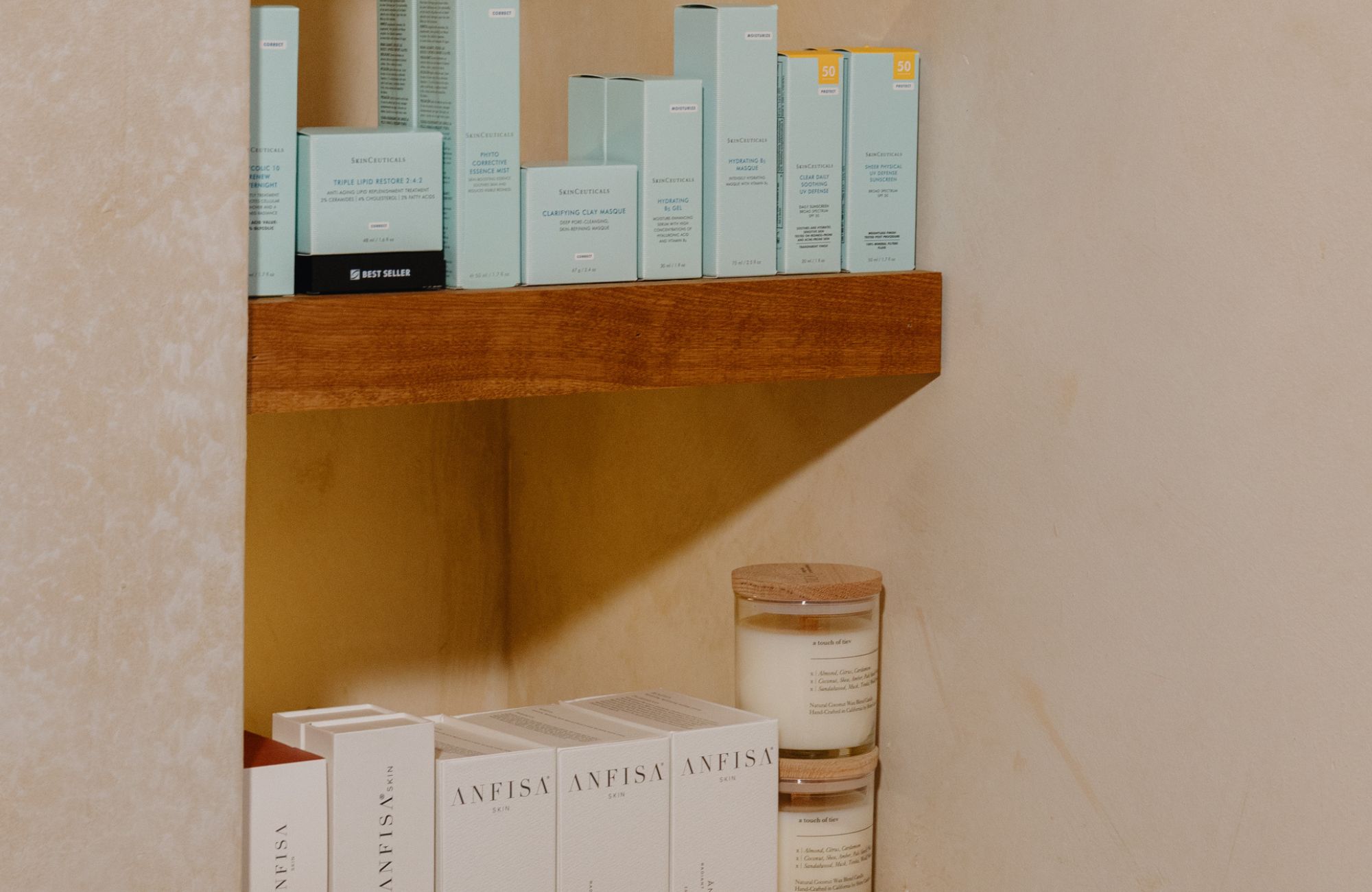
For operators, that shift is raising the bar across every touchpoint, from consultation quality and provider training to follow-up care and treatment planning. It’s also changing how clinics consider product mix beyond services. At Tiev, skincare retailing functions less as an ancillary revenue stream and more as an extension of treatment outcomes and patient retention. Freitas estimates patients are three times more likely to purchase skincare following an in-office visit because providers can guide them toward products tailored to their skin and recovery needs. Currently, the top-selling brands are SkinBetter Science, Epicutis and Anfisa.
Operators are becoming more disciplined about where they invest as the pace of device innovation accelerates. The influx of new and surging technologies such as Xerf, Sofwave, Morpheus8 and CO2 lasers, which dominate TikTok feeds, has made it easier to identify and chase trends, but it’s more expensive to get them wrong. Freitas evaluates new technologies based on patient demand, longevity and how quickly a device can realistically generate returns, with the company targeting ROI within six months of purchase.
External forces are beginning to reshape the treatment mix, chief among them the rapid rise of GLP-1 medications, which are creating a growing set of aesthetic concerns tied to rapid weight loss. According to the AAFPRS’ 2025 survey, 67% of surgeons reported a jump in patients seeking treatment related to rapid weight loss, and one in four surgeons believes GLP-1 medications will fuel greater demand for non-surgical aesthetic procedures.

“There are roughly four times more GLP users than there are cosmetic injectable users in the United States,” says Freitas. “With the rise in GLP, we are seeing an increase in demand in collagen stimulators and more devices to improve skin quality from rapid weight loss and combat other key aging factors. GLPs are here to stay and with the rise in users, we now are educating patients in proactive collagen stimulators like Sculptra to mitigate some of the signs the skin quality can showcase during rapid weight loss.”
As Freitas makes expansion plans for Tiev, she emphasizes that operators treating aesthetics as an advanced medical subspecialty and not “like a salon” will differentiate themselves from competitors. She believes the sector remains in the early stages of adoption, particularly as preventative care, skin health and longevity become more normalized among younger and wellness-oriented consumers.
Freitas expects regenerative medicine and Korean-inspired treatments to continue gaining traction in the U.S. market. However, she sees the greatest white spaces in education, provider quality and standardization rather than in a device or trending treatment.
“A degree does not mean proficiency in aesthetic medicine,” says Freitas. “Tiev is committed to advanced training modalities bringing the best-in-class providers together to ensure we are a part of elevating the industry for the better. While 5 million aesthetic medicine users exist present day, we are interested in educating the other 250-plus million other patient demographics who have not had access or understand the importance of these treatments.”