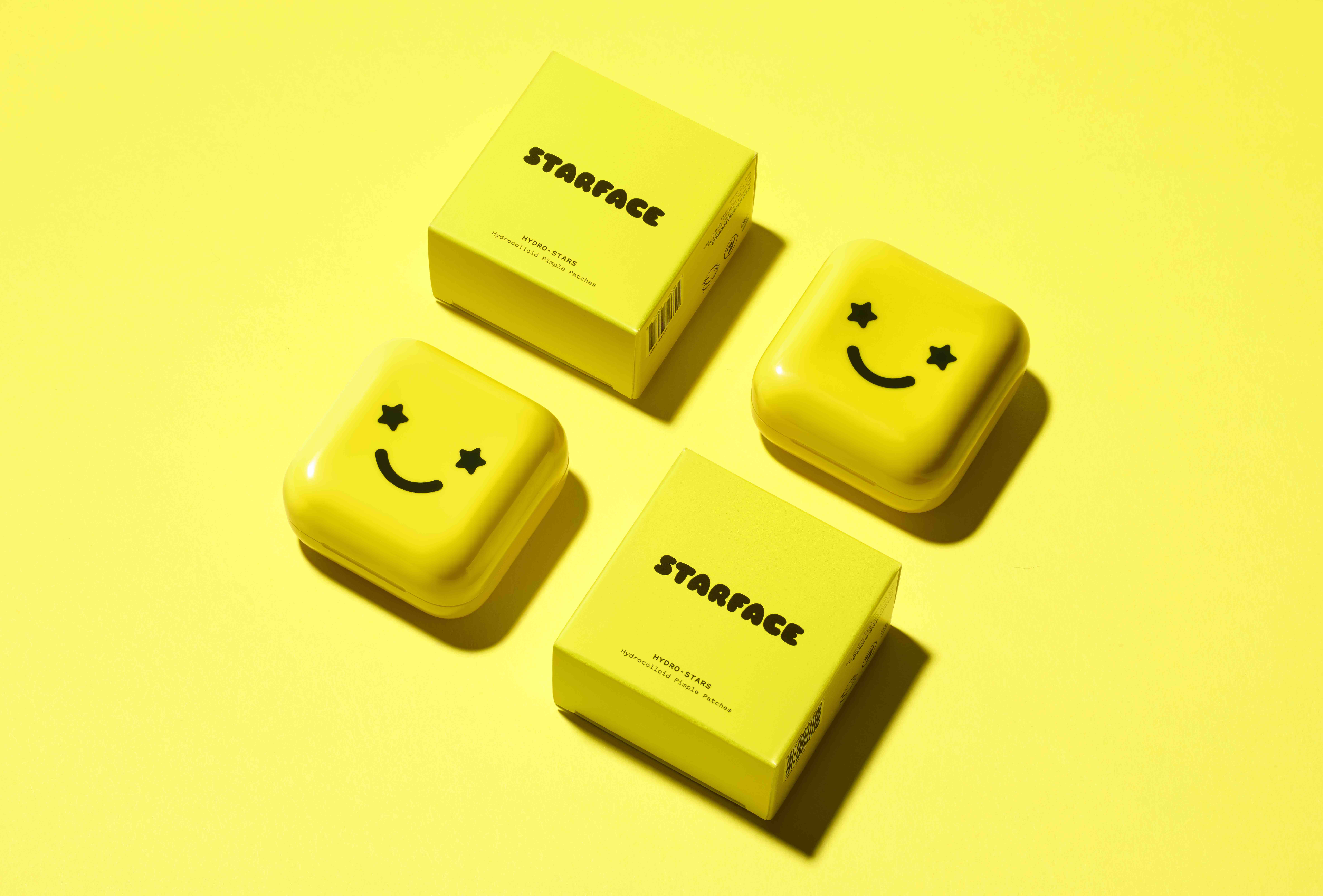


Starface World, the brand known for making acne a cause for personal adornment, has hired investment bank Baird to vet deal opportunities.
Baird and Starface declined to comment. A source close to the brand says it’s not setting up a formal process in 2026 and is instead evaluating inbound interest from prospective buyers. A deal is more likely to materialize in 2027. However, a different source tells Beauty Independent that Starface had a deal on the table that recently fell through.
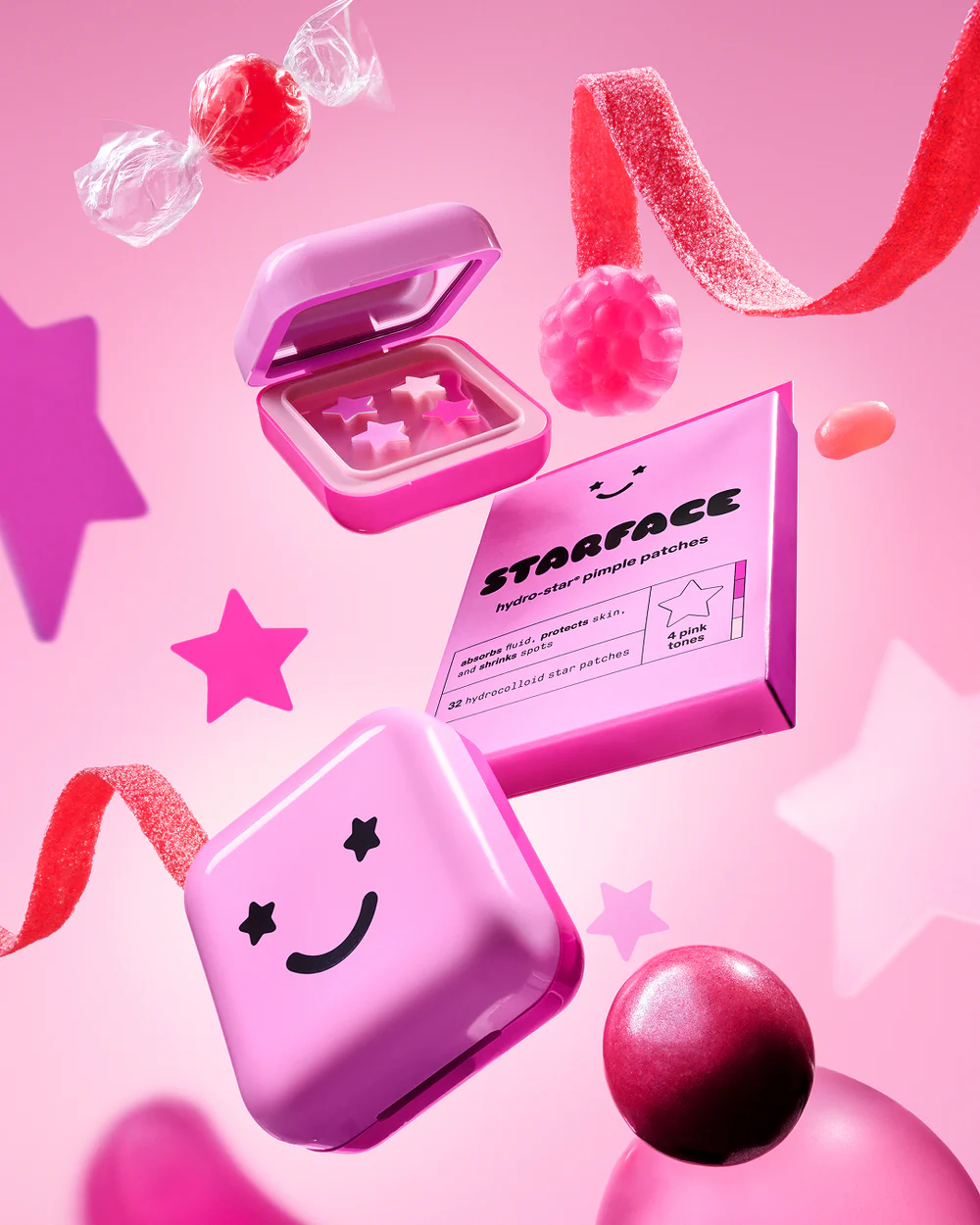
Founded by former Elle beauty director Julie Schott and serial entrepreneur Brian Bordainick in 2019, Starface didn’t invent pimple patches—Schott discovered them through Elle’s coverage before the brand existed—but it turned them into a logo for the face. For many in gen Z and gen alpha, Starface’s star-shaped pimple patches are as recognizable as the Nike swoosh or TikTok’s stylized musical note. The brand has sold more than 1 billion patches. It prices 32-count packs primarily at $10.99 to $14.99.
“It made such a bad moment a cute selfie moment, and that star made it instantly viral. It was something you could be proud of posting,” says Camille Moore, brand strategist, content creator and founder of the agency Third Eye Insights. “There’s a lot to learn from the brand in how it went viral. It was very visual, easy to recognize, highly shareable and unique. They really launched the face patch trend.”
Starface entered Target a year after its launch, and today retail drives most of its sales. It’s available in over 20,000 doors, including Ulta Beauty, CVS, Walmart and Target. The brand’s net sales are estimated to surpass $100 million, up a double-digit percentage this year, and its earnings before interest, taxes, depreciation and amortization (EBITDA) positive. Next year, another profitable double-digit sales gain is expected.
Starface has raised roughly $18 million in funding across several rounds. A few of its investors are BBG Ventures, Sugar Capital, Cue Ball, Able Partners, Air Venture Partners and Brand Foundry Ventures.
Looking at deals that might serve as benchmarks for Starface, Church & Dwight acquired Hero Cosmetics, an acne patch brand Starface often neighbors in stores, in 2022 for $630 million at a 5.5X multiple of its $115 million trailing 12-month sales and a 14X multiple of its $45 million EBITDA. This year, the company struck a deal with hand sanitizer brand Touchland for an initial payout of $700 million, with the potential to rise to $880 million. Pre-payout, that’s a 5.4X sales and 12.7X EBITDA multiple, but it could increase to 6.8X and 16X, respectively, post-payout.
For conglomerates bleeding share to insurgent brands, Starface could offer a line to young consumers they’ve barely scratched the surface with and insight into those consumers’ marketing and shopping proclivities that could inform a wider portfolio. A millennial, Schott is labelled a gen Z whisperer, and Starface was early to embrace TikTok, has pierced the cultural zeitgeist with collaborations like ones with Hello Kitty, SpongeBob and Sesame Street, and is leveraging artificial intelligence in ways that connect to its core audience.
“They are not a legacy brand by any means, but, in their world, they are a legacy brand, and AI really favors things it knows. I think that will continue to work in their favor,” says Chris Danton, co-founder at brand consultancy In Good Co. and author of the Substack “Good Thinking.” “They are perfectly positioned for this AI time.”
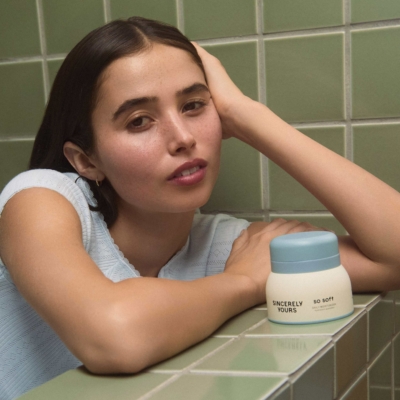
But Danton points out Starface has its share of challenges to maintain a grip on young consumers’ minds and wallets. She brings up the gen alpha brand rush that’s kicked up this year to an unprecedented level and intensified competition in the space. Influencer Salish Matter’s Sincerely Yours and Evereden broke into Sephora, and Yes Day, Pour Tous and Erly were among the brands that hit the market. With competitors proliferating, the risk of consumer substitution will be on beauty buyers’ radar.
If that wasn’t enough for a buyer trying to decide where to place a bet on gen zalpha skincare, Bubble is in the mix, too. The skincare brand has tapped investment bank Centerview to explore strategic options. In January, industry sources cited by Women’s Wear Daily projected Bubble could reach around $170 million in sales last year. Private equity firm Bansk Group announced in September that it acquired a majority stake in gen Z skincare brand Byoma.
Starface’s biggest assets could be its biggest liabilities as it eyes an exit. Pimple patches put the brand on the map, and they contribute roughly 70% of its sales. A possible buyer might want the brand to prove it can diversify, and it’s pursuing a strategy to provide that proof.
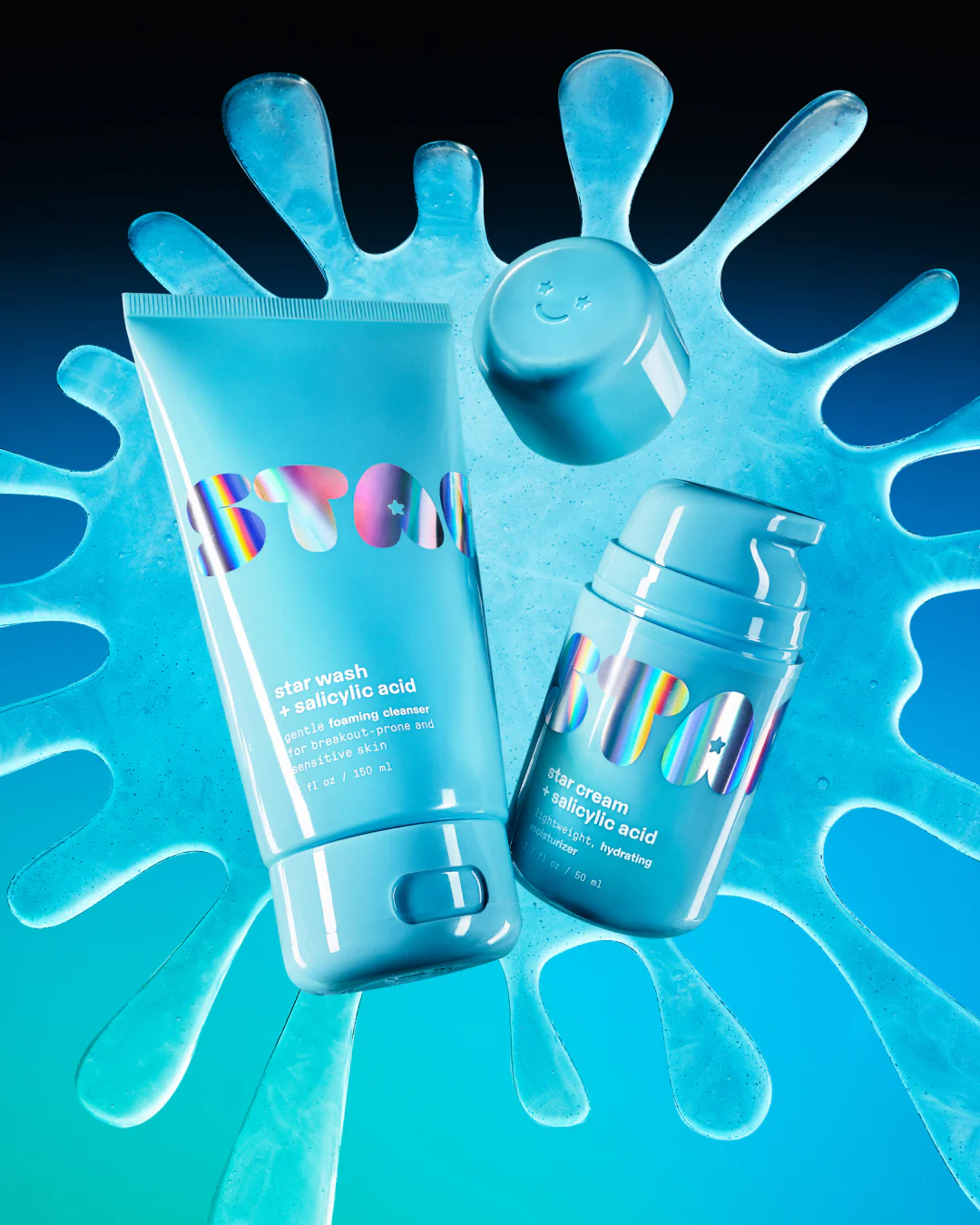
This year, Starface ventured into non-patch skincare with a salicylic acid foaming face wash and moisturizer. Last year, it introduced lip balms in four shades, a range that has since broadened to more than a dozen shades. Waiting until 2027 for a deal could allow the brand to demonstrate demand beyond pimple patches if the newer products take hold.
Industry observers wonder if its strong link to gen alpha and gen Z consumers will fray as they age. “I’m now in my 30s. I’m not really dying to walk around with star patches on my face. I think you age out of it,” says Moore.
Not a general rule as trendy beauty and personal care assets like Touchland and Rhode have traded—the latter with E.l.f. Beauty for as much as $1 billion—but beauty buyers are highly attuned to the fleeting nature of brands with substantial social media buzz that shifts in algorithms or consumer whims could kill overnight. They’re paying premiums for brands showing longevity (see L’Oréal’s pickup of Medik8 at an estimated 9X projected 2025 sales) and hedging with considerable earnouts on brands perceived to be trendy.
As long as Starface stays ahead of the curve with pop culture, social media and distribution, Moore argues its position in the acne category can help it win recruits even if a consumer cohort ages out. Acne isn’t going to disappear as an issue for teens and tweens.
Moore also believes Starface has plenty of runway to further penetrate the retail landscape in North America and, for an acquirer, international markets represent a growth lever. Starface is carried by Superdrug, Boots, Beauty Bay and Space NK in the United Kingdom, but its sales are largely concentrated in the U.S. A conglomerate with global infrastructure could magnify its size.
Starface currently has about 50 employees. In September, Kara Brothers stepped down as president of the brand. Bordainick is leading the company’s management.
Both Bordainick and Schott are animated by brand creation, and their collective brand portfolio goes beyond Starface to emergency contraceptive brand Julie, nicotine replacement brand Blip and fentanyl test kit brand Overdrive Defense. They previously closed slugging brand Futurewise and sustainable body care brand Plus.
Click here to learn more about Dealmaker Summit happening June 8 & 9 in New York.


Leave a Reply
You must be logged in to post a comment.