There’s a fan-favorite cohort of new-era CPG brands positioning themselves as better-for-you alternatives and siphoning market share from legacy household names. They include Magic Spoon, Olipop and Mud\Wtr, which have distinguished themselves with punchy branding, thoughtfully formulated ingredient decks and prime retail distribution. They also share another common denominator: Melitas Ventures on their cap tables.
Since 2018, the New York-based early-stage venture fund has built an impressive portfolio of more than 40 health-focused food and beverage brands. Frequently the first institutional check for a brand, it typically invests $2 million to $3 million in startups generating annual sales of $1 million to $10 million. Its approach is to get to know founders before investing and to take an active role post-investment with a board seat and executive recruitment. If a brand is gaining traction, Melitas participates in follow-on rounds of up to $7 million through its fund, with $10 million-plus investments done in conjunction with special purpose vehicles (SPVs) or limited partners (LPs).
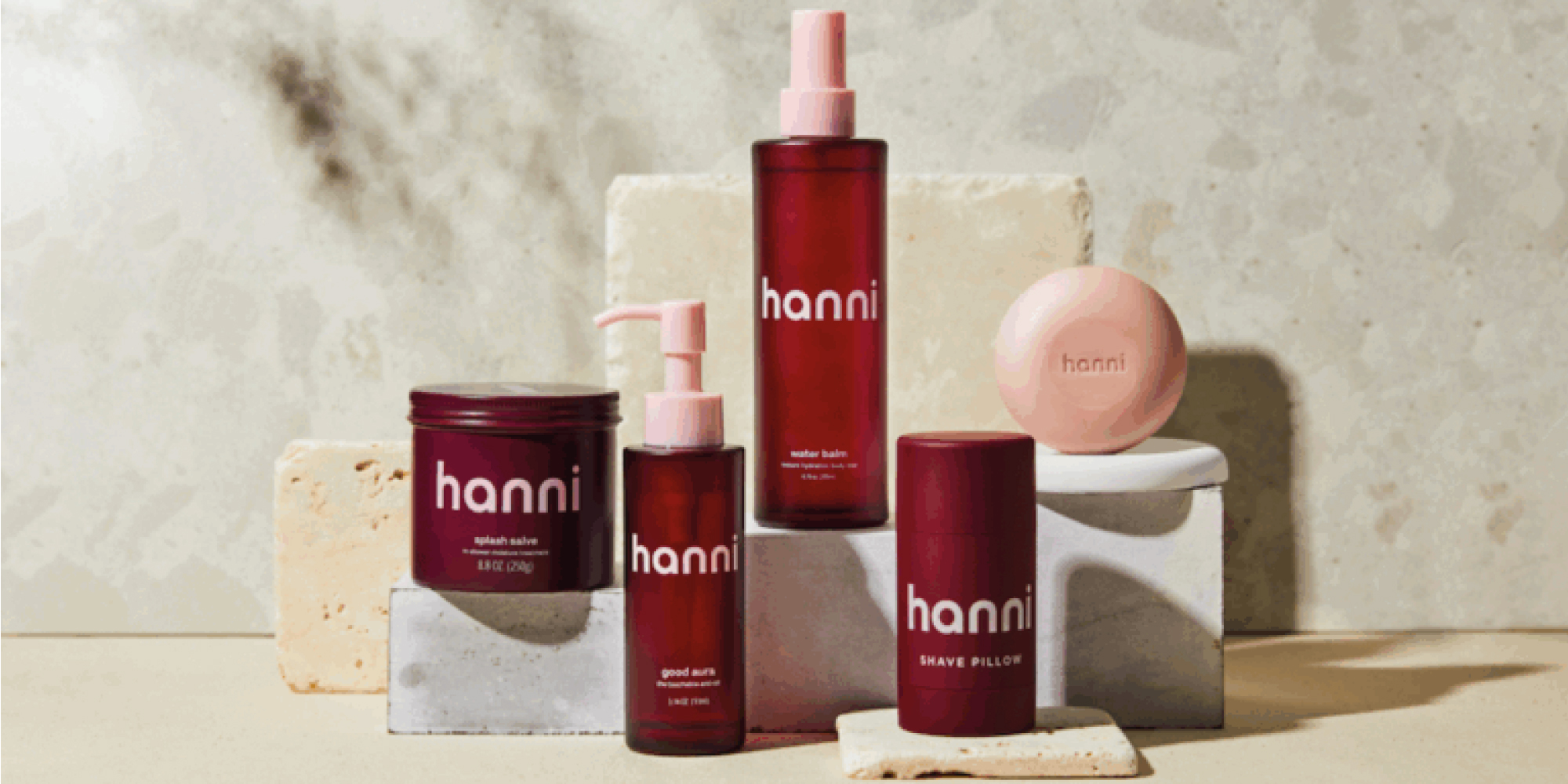
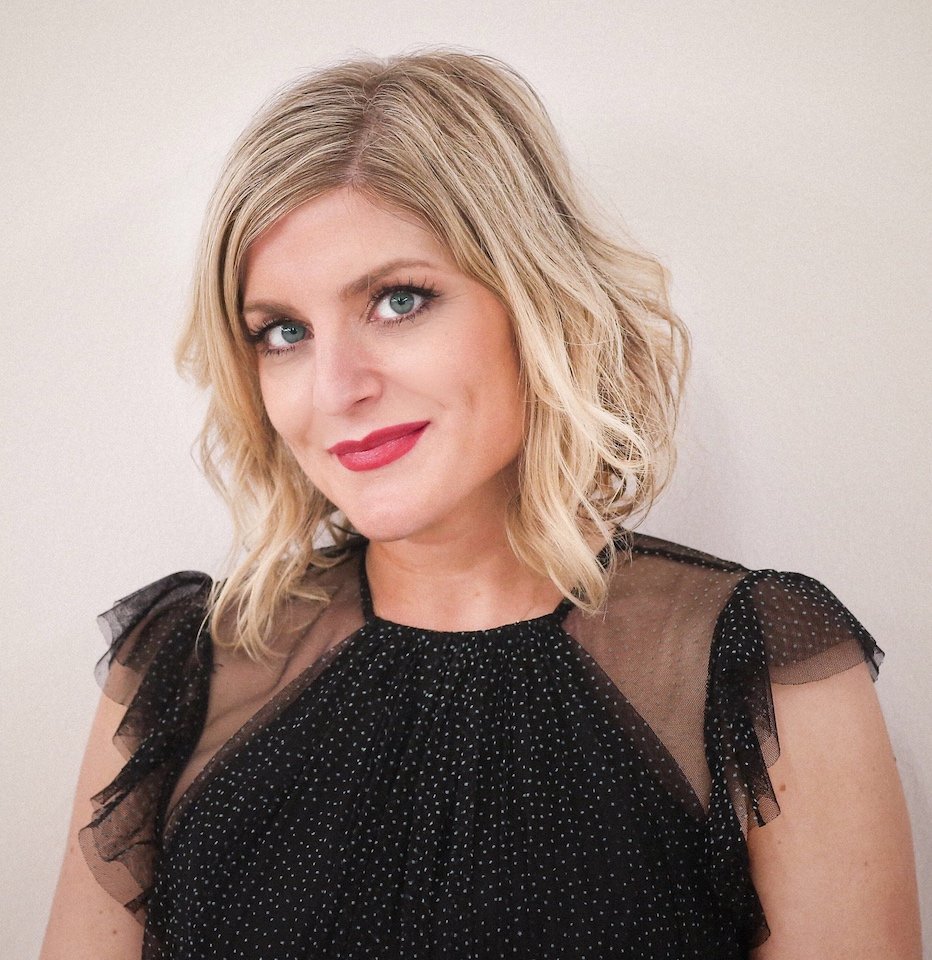
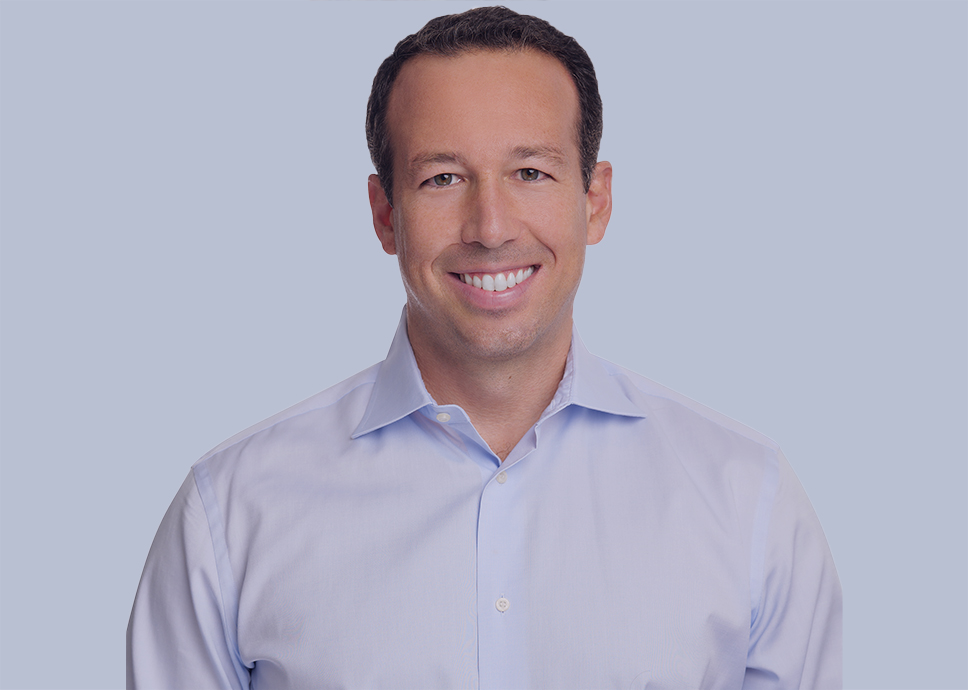
Earlier this year, Melitas raised its third fund, totaling $60 million, expanding its remit into beauty and wellness and backing brands such as scalp care specialist Jupiter, supplement maker Veracity and elevated body care brand Hanni. We spoke with Melitas founder and managing partner Alex Malamatinas about beauty categories catching his attention, often-overlooked costs that erode margins and strategies for navigating economic uncertainty.
How do you talk to your portfolio brands about the economy right now?
When you’re in consumer, there are always questions about the economy. Ever since I launched our first fund, whether it’s investors or founders, everyone’s worried about the pending recession and doom and gloom. No one’s very good at predicting it. Yes, the U.S. has issues. Many countries have issues these days. When we take a step back, the U.S. is a large consumer-focused market, and there’s a bigger middle class than in other parts of the world. They can generally afford many of these products.
The move towards clean or better-for-you is on all consumers’ minds. Price point is important relative to the value that the consumer perceives such that these are products people are going to buy throughout the cycle. We’ve seen it at various cycles that people might cut that expensive vacation, but they will treat themselves to that aspirational product because it makes them feel good.
If you are a brand that’s having traction, the reality is you need cash so that you can navigate these cycles. When you look back at the past two cycles, there’ve been great brands that have been built. When we were investing through COVID, it was a crazy time, but then it accelerated the direct-to-consumer side of things. This past cycle, inflation and interest rates really drained liquidity. A lot of these brands and VCs that invested at the top of the cycle in 2021 are getting hit, and suddenly everyone’s more focused on margins and profitability.
I think that’s resulted in a better cohort of brands which will hopefully result in exits for the VCs that have invested and then better exits for the strategics. The strategics have been frustrated that they’ve acquired brands at the top of the cycle, and they haven’t been as profitable as they would like.
Where are we in the cycle?
There’s a lot of interesting things about where we are. One is AI. It’s pretty clear that AI increases productivity. Whether or not valuations of certain stocks are too high, we can debate that, but I think a big part of the growth that we’re seeing in the U.S. economy is driven by AI and efficiency improvements. I’ve seen big numbers from Goldman Sachs and others. That is happening and will continue to happen, and the U.S. is driving a lot of the innovation.
The more cyclical side of things is where we are with rates. Rates are by historical standards on the higher side. Assuming there’s no inflationary shock, which can happen, but we’re not seeing that, rates still have further to come down, which will support the economy. With a combination of these two things, I don’t see an impending recession or a significant hard landing. Even if there’s a bit of a slowdown, which I think we’re experiencing that should be addressed, assuming the Fed manages that, will we have bigger issues down the line with government debt. That’s a can that’s being kicked down the road.
From the consumer side, be very aware of the cycle, but great brands have been built throughout all points of the cycle. What we can do is help guide them, try to put in place the best unit economics and margin structures from the early days, make the right decisions with team, channel building, avoid too many mistakes and choose your investing partners and financing wisely.
Talk about margin structure.
Gross margin in beverage, you want to be north of 40%. Food, you want to be north of 50%; supplements, north of 60% or 70%, beauty, you want to be north of 80%. Those are very high-level benchmarks.
The other dynamic is, what is the fully loaded, real contribution margin? A lot of people don’t have a strong enough understanding of what their true margin is. When you factor in all these costs, in some cases, the contribution margin isn’t that different from the gross, but, in others, it can vary a lot. That’s important to understand because it will inform the cash needs for the business.
For us, depending on the category, having an understanding of how this company is scaling is helpful. If they are already in a Sephora or a Target, then we have visibility of how we can scale with margins. If it’s selling in certain independent stores, at least there’s pricing that we can then adjust depending on where they launch and the cost structure, and there’s some initial operating leverage that you can look at. The more data, the better. At least several months of data where ideally it’s a decent enough margin and then growth. At the end of the day, the growth is the most important aspect of this.
When you see that delta between gross margin and true margin, are there any usual suspects causing it?
Freight and warehousing can really impact it. Another thing to consider, particularly as we talk about Sephora or Target, the trade spend can vary quite a bit. It can involve discounting. It’s essentially what you’re paying to the retailer, which comes out of your margin. In some cases, they’re able to help you with that. In other cases, you’re paying for all of it. That will really impact the economics on your side.
If they want your brand because it drives foot traffic and more eyeballs, that’s a great competitive advantage. That’s part of the discussion. If you’re a buzzy brand for whatever reason, because it’s a celebrity or you’ve done well on social, you’ve got a competitive advantage when you’re launching.
What should founders consider when taking investment from celebrities?
It’s hard with the ownership structure. We think, as VCs, we should exist, we provide capital and we can be helpful. Obviously, as founders raise, the ownership comes down. When you start with a celebrity-backed brand where they have between 10% and 90%, then there’s little room for the others that might be operating and managing the day-to-day. So, the incentives are not very well-aligned.

Are celebrities demanding an outsized ownership percentage?
I don’t know if it’s outsized. In some cases it is, but they’re a celebrity. They have a following. They’re going to ask for more than another hire would. If they are also the ones driving it as the founder, great. But, if not, then you invariably have to find somebody else and incentivize them. [The celebrity] wants a lot of the business, and you’ve got to find a way to build the rest of the team.
What beauty categories are you most excited about?
Haircare is really interesting. We’ve seen Nutrafol and K18 have successful exits, but I think it’s a very large category that really hasn’t seen much disruption. There are certain sub-sectors where there’s still an opportunity for that. We have a small investment in Jupiter, a dandruff alternative. There’s a lot of focus right now on hair loss, minoxidil being the key ingredient and brands building alternatives to that.
Hair dye is really interesting. People are quite fixated on what they put in their bodies and on their skin, but yet there isn’t much talked about in terms of the toxicity of hair dye. Part of it is the efficacy side. It’s hard to find an alternative. Increasingly, that’s an area where there’s going to be innovation.
The supplement side is always interesting for these categories, and body is having its moment. Consumers are thinking incrementally beyond the face and about cleanliness of ingredients, but also form factors and the occasion. Skincare is interesting because there’s been innovation, and there’s a lot happening [with] doctor-backed or very science-y [brands]. Right now, there’s a really interesting ingredients and technology to the point that I’ve come across brands that claim to remove wrinkles and truly change the way we look. Digging into the science and research is critical if you’re going to back one of these brands.
On the other side of the spectrum, there’s still branded plays where it’s clean and resonating with a younger demographic. I’m sure you’ve seen Sincerely Yours and these teen and gen alpha plays really resonating with consumers. Those are areas that we’re looking at in terms of opportunities to build brands. We are spending quite a bit of time to understand this gen alpha frenzy. The challenge with that is teens are often aspirational, so they don’t want a teen brand necessarily, but the positioning of some of these newer brands is intriguing. Not that we invest just to exit, but it’s nice to know if the big companies don’t have exposure to these demographics and types of brands in their portfolios.
When it comes to haircare and skincare these days, there’s more focus on the science side of things, and there are some brands trying to [be science-forward and appeal to younger consumers]. Experiment is a nice brand trying to appeal to a younger demographic, and it works. It’s hard to do both. They do a pretty good job of it.



Leave a Reply
You must be logged in to post a comment.