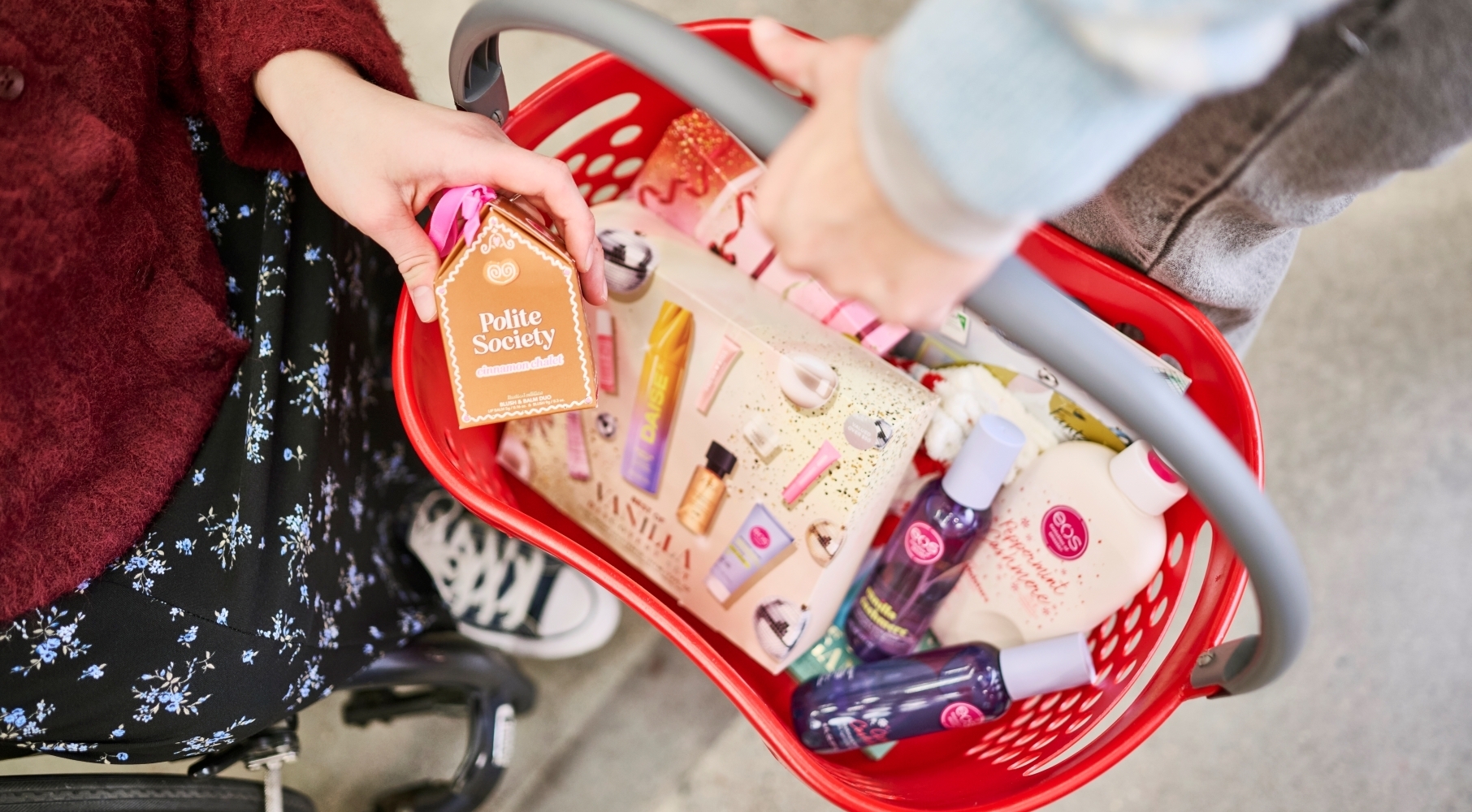

Target is betting that the industry’s lip boom still has room to run, rolling out dozens of new lip products for the holiday season in a bid to boost sluggish beauty sales in the critical fourth quarter.
The new lip products from legacy and emerging brands like Maybelline, E.l.f. Cosmetics, Naturium, Being Frenshe, MCoBeauty, Space Camp Wellness, Cocokind, Byoma and Sacheu capitalize on trends resonating with value-seeking Target beauty shoppers. Reflecting a desire for hydration and longevity, rising trends include skincare-forward glosses and balms with buildable pigment and long-wear lip color. Last year, product launches drove nearly half of the retailer’s makeup sales growth, with lip products from global beauty brands like Maybelline, E.l.f., NYX and L’Oréal Paris leading the charge.
“Once an entry point into makeup, lip care is now empowering self-expression, creativity and self-care, and it’s driving growth in our beauty business,” says Amanda Nusz, SVP of merchandising for essentials and beauty at Target, operator of nearly 2,000 stores nationwide. “We’re leaning into lip care innovation through nourishing ingredients, buildable color and on-trend formats to give our guests even more reasons to turn to Target for their beauty and wellness routines.”
Among the exclusive lip launches that entered Target in the fall are Naturium’s Phyto-Glow Lip Balm Shimmer, Maybelline’s Moisturizing Serum Lipstick and Being Frenshe’s Lip Balms and Lip Masks. E.l.f’s Glow Reviver Melting Lip Balm, Cocokind’s Ceramide Lip Blur Balm, Byoma’s Liptide Lip Oil, MCo Beauty’s Mini Lip Butter Balm and Mini Peptide Lip Treatment, and Sacheu’s Lip Liner Stay-N were also added to Target’s lip product selection since September. The majority of the lip products are priced under $15. Beyond lip, skincare, fragrance, body care and wellness remain strong areas of investment for Target.
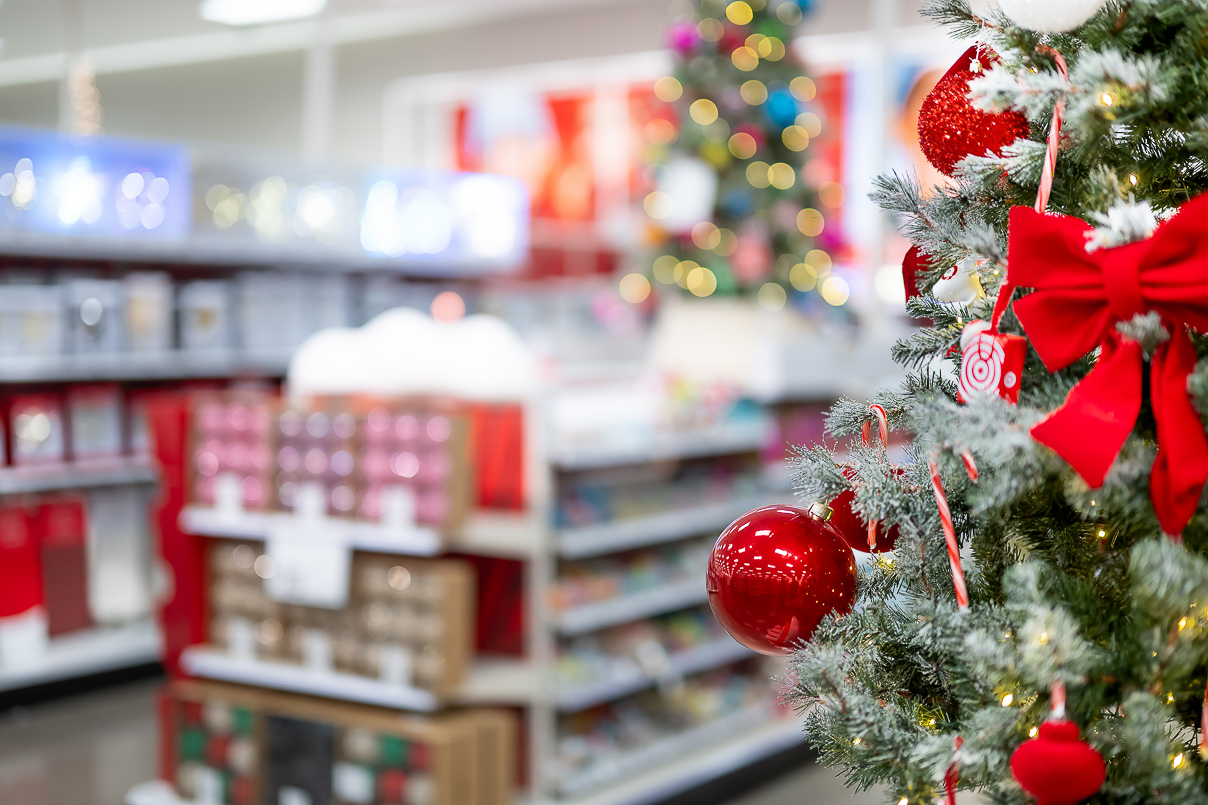
New lip launches are cross-merchandised in stores with charm accessories housed in end-cap displays for the holiday season. Customers use the charms to adorn their lip products. So far, the Gloss & Glam Best of Lip Gift Set, which contains lip liners, glosses and plumping products from E.l.f., Maybelline, NYX and Milani, plus a pocket mirror and pencil sharpener, has been a top holiday shopping seller for Target.
Lip products have been on a tear for roughly three years as post-pandemic consumers returned to color, shine and care once masks came off and social life resumed. According to the market research firm Circana, lip makeup sales grew 4% in dollars and units from January through October this year, with lip liner, lip balm and lip oil products up 28%, 5% and 4% respectively. Lip tints, glosses and lip serums and butters grew 63% during the same period. Prestige and mass lip products outperformed other makeup segments during the third quarter, with prestige makeup sales increasing 3% to $7.9 billion from January through September.
“The surge in tinted lip treatments, lip serums and lip butters in makeup reflects a growing consumer preference for hybrid beauty—products that deliver both care and color,” says Larissa Jensen, global beauty industry advisor at Circana. “Meanwhile, lip liner’s rapid growth underscores the desire for precision and longevity as consumers seek to balance effortless looks with performance. These trends reveal a clear behavioral pivot where beauty is becoming functional, customizable and experience-driven.”
“Once an entry point into makeup, lip care is now empowering self-expression, creativity and self-care.”
Data from the data analytics agency Daash Intelligence shows that sales of lip balms surpassed sales of traditional lipstick formats this year. “The real breakout, though, is lip liners. They posted double-digit growth and gained 4 percentage points in share, proving just how resonant the full lip combo has become,” says Melissa Munnerlyn, co-founder and CMO of Daash Intelligence. “Even as lipsticks and glosses grew year-over-year, they ceded share to more layered, multistep routines.”
Target is looking for wins as beauty demand slows in its aisles. Historically a bright spot for the retailer, beauty sales were flat in the reported third quarter this year. They dipped slightly in the previous quarter, with skincare, bath and haircare eking out low single-digits gains for the period. Last year, Rick Gomez, EVP and chief commercial officer at Target, told the publication Women’s Wear Daily that beauty category sales had doubled since 2019.
In October, Nusz emphasized that Target would continue to prioritize the growth of its beauty and wellness businesses during a panel discussion hosted by the beauty industry organization CEW. Beauty launches ramped up at Target throughout the year. In February, it announced that it would onboard 2,000 new products and 50 new brands, double the amount from the prior year, to its beauty assortment. Approximately 90% of the new products were priced under $20.
Target’s beauty slowdown comes as the mass-market retailer is battling a host of challenges that have dragged down its sales and profits for nearly four years, including falling foot traffic, lackluster merchandising, aisles of locked-up products and a boycott due to its retreat from DEI. Third quarter net sales were $25.3 billion, 1.5% lower than the year-ago period, with net income dropping about 19% to $689 million from $854 million. Same-store sales decreased 2.7% in the period while digital sales increased 2.4%, driven by greater demand for same-day deliveries.
The retailer’s stock has declined by about 35% from the beginning of the year and about 67% since late 2021. Contending with persistently weak performance, Target laid off about 8% of its corporate workforce in October, the largest personnel shakeup to affect the company in almost a decade. In the summer, Ulta Beauty revealed its partnership with Target will end in August next year.
To energize its stores and kickstart sales, Target is increasing capital expenditures by 25% in 2026 to $5 billion as COO Michael Fiddelke steps into the CEO position on Feb. 1. A few of Fiddelke’s priorities will be strengthening Target’s reputation through well-appointed merchandise, providing a consistent omnichannel shopping experience and leveraging technology to propel performance.
Target is already making moves to rev up its technological capabilities. Last month, it announced a partnership with OpenAI that will enable customers to search and shop for products across Target’s assortment and select their fulfillment option through ChatGPT. Walmart recently announced a similar partnership.



Leave a Reply
You must be logged in to post a comment.