
Dating back to 1993, Escada has welcomed the summer with a new scent that epitomizes the season, starting with Chiffon Sorbet, a swirl of passion fruit and raspberry, and winding through some 34 more, including the juicy mango Taj Sunset, crisp watermelon Sorbetto Rosso and Brazilian cocktail Rockin’ Rio.
The success of these scents—they’re among the fragrance industry’s most popular limited-edition franchises—illustrates the enduring allure of bottling summer, with its steamy temperatures, dream vacation destinations, beach days, lazy nights and sense of freedom other seasons don’t share. Nostalgic for the emotions and joyful smells evoked by summer fragrances, former Le Labo executives Amy Tran and Emilie Mascarell decided to develop one of their own.
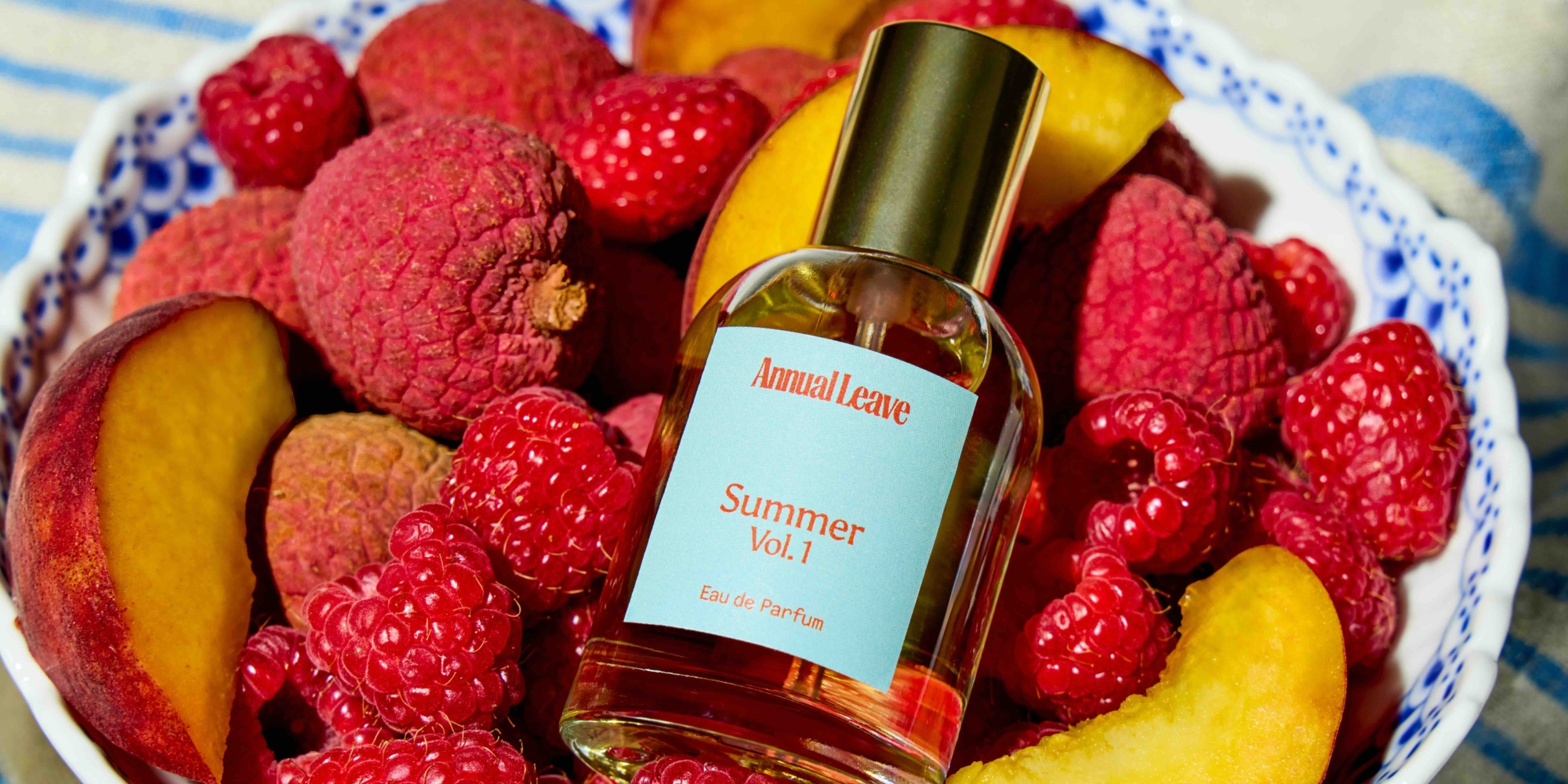
Their new brand Annual Leave aims to recapture the spirit of summer fragrances of the past for contemporary consumers with the elevated ingredients and craftsmanship synonymous with fine fragrance. Its debut fragrance, Summer Vol. 1, opens with lychee, peach nectar, blackcurrant and raspberry and evolves into osmanthus, pink hibiscus, jasmine sambac and orange blossom, eventually settling into a base of vanilla orchid, amber and sandalwood.
“It’s a reinterpretation of a summer scent. It’s not niche. It’s a very approachable scent, created with beautiful ingredients and that texture you want to see in fine fragrance,” says Mascarell. “In the 2000s, the scents you saw in stores at the beginning of summer were vibrant and fruity, something fun that you wore for the season before moving on to something else in the winter. We were missing that feeling of excitement.”
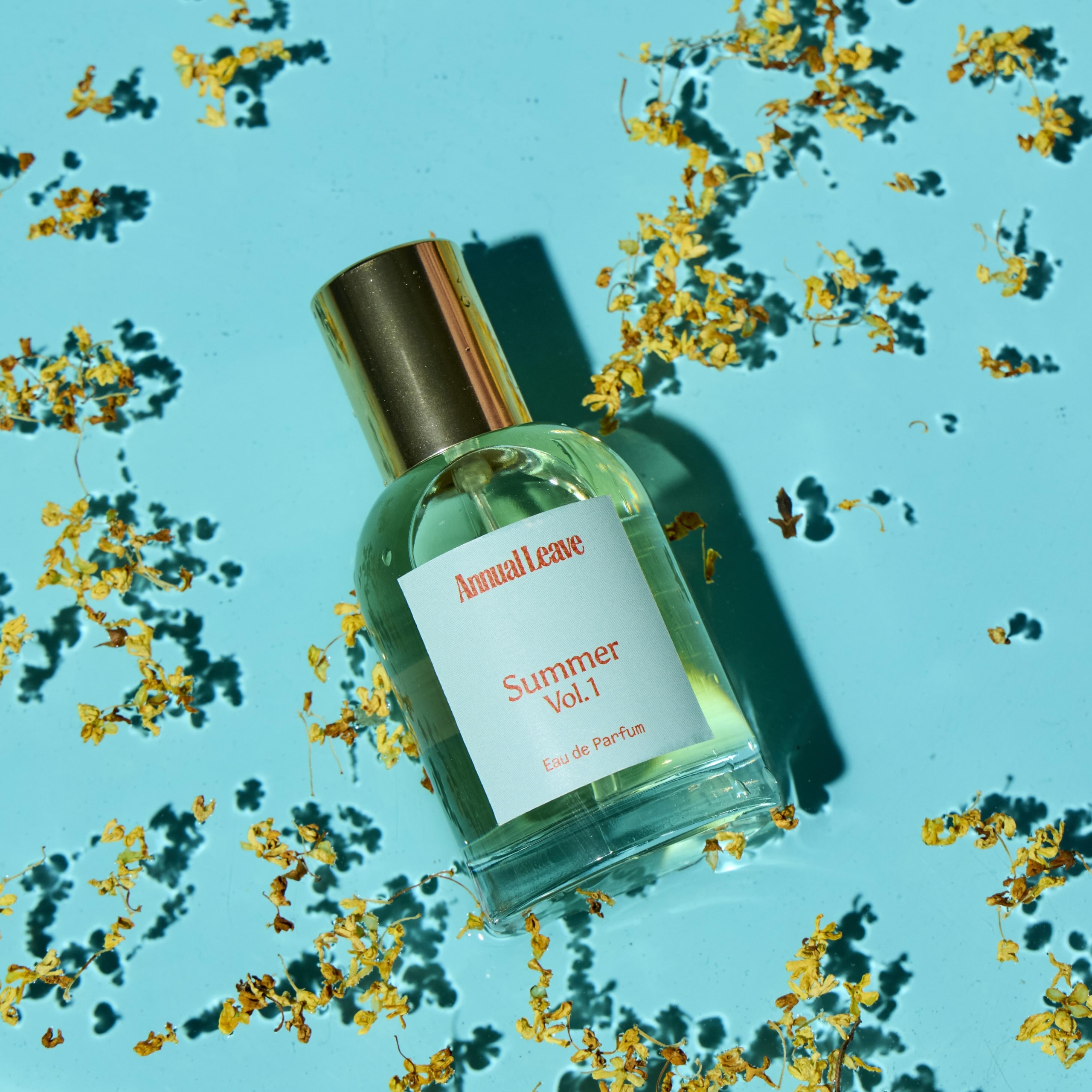
Befitting its name, Annual Leave intends to release a fragrance every summer, each produced in limited quantities and retired once sold through. The strategy mirrors the fleeting nature of summer, stokes anticipation for future seasonal releases and encourages a recurring ritual for customers. Tran and Mascarell have ordered 1,000 units of Summer Vol. 1, and they refer to Annual Leave as a micro-batch brand.
“Anything can be called niche or small batch,” says Tran. “There are companies out there that sell over $100 million still referring to themselves as small batch. That’s why we want to push the idea of micro-batch. We had 10 kilograms of fragrance oil because that’s what we wanted to start with to be mindful of how we build before we find an audience. Truly, this is micro-batch.”
“It’s a very approachable scent, created with beautiful ingredients and that texture you want to see in fine fragrance.”
The co-founders invested $30,000 of their own money into bringing Annual Leave to market and adopted a deliberately bare-bones philosophy for branding and marketing, channeling their resources primarily into fragrance quality. That meant splurging on certain ingredients like jasmine sambac and osmanthus absolutes and formulating Summer Vol. 1 at the higher end of the typical eau de parfum concentration range.
Mascarell says, “We really looked at everything from a minimum viable product idea and put all the money in the juice and as little as possible into marketing and influencers.”

Annual Leave is part of a broader nostalgia wave sweeping consumer culture. Across categories, brands are reviving discontinued products (think Vacation’s resurrection of Bain de Soleil), tapping stars from iconic past television shows and movies for their advertising (last year, Neutrogena featured “Beverly Hills 90210” stars Brian Austin Green and Tori Spelling in a campaign for Rapid Wrinkle Repair Cream and Rapid Wrinkle Repair Serum), and embracing formats and activities associated with a more analog era, from books and Walkmans to walking and running.
“We are trying to come out of this phase of being chronically online,” says Tran. “A lot of what gen Z and millennial consumers are realizing is that everyone is getting the same input of information, so everyone is being influenced to buy the same thing, and what we are seeing is that people want to discover on their own. You feel more ownership when you discover on your own. If you discover a brand when it’s so small, it’s more precious to the consumer.”
“Truly, this is micro-batch.”
Tran, formerly executive director of online and omnichannel at Le Labo, and Mascarell, previously global head of product development at the brand and senior director of licensing fragrance and beauty at Tory Burch, met on Tran’s first day at Le Labo in 2015. Today, Tran oversees online operations at luxury homewares group Vita. Aside from Annual Leave, Mascarell consults for emerging brands and last year launched eco-friendly luxury soap brand Maison Mascarell.
While a 15-ml. bottle from Le Labo typically is priced at $110, Annual Leave’s debut fragrance is priced at $98 for a 30-ml bottle. Tran and Mascarell selected the bottle size and price point to reflect the growing consumer practice of fragrance wardrobing or rotating scents depending on mood, season and occasion rather than sticking with a single signature fragrance. The smaller bottle also makes the fragrance easier to transport, whether for summer travel or spritzing throughout the day.

To spread the word about Annual Leave, Mascarell and Tran are initially introducing it to their extensive personal and professional networks. The brand’s content will revolve around experiences and destinations tied to summer. The co-founders are taking an organic, test-and-learn stance on marketing that they believe will resonate with consumers fatigued by the constant barrage of brand messaging.
“Consumers are more educated than ever, but sometimes you get saturated,” says Mascarell. “Brands want to make sure consumers receive so many layers of marketing information that, at some point, it becomes overwhelming. We think about becoming more stripped down in what you see and how you communicate about products.”
The co-founders hope Summer Vol. 1 generates enough sales to finance the development of next year’s fragrance. Eventually, they see Annual Leave as not just a summer-only proposition and envision extending it to recurring moments or breaks outside of summer. Although the brand is focused on direct-to-consumer distribution now, partnerships with retailers or additional companies will be considered to give consumers a chance to smell its scents in person.
“If we find a very well-fitting partnership, then that would totally make sense,” says Tran. “Fragrance is made to be worn on the skin. We would love for it to reach as many people’s skin as possible, but we want to go as quickly as we responsibly can.”


Leave a Reply
You must be logged in to post a comment.