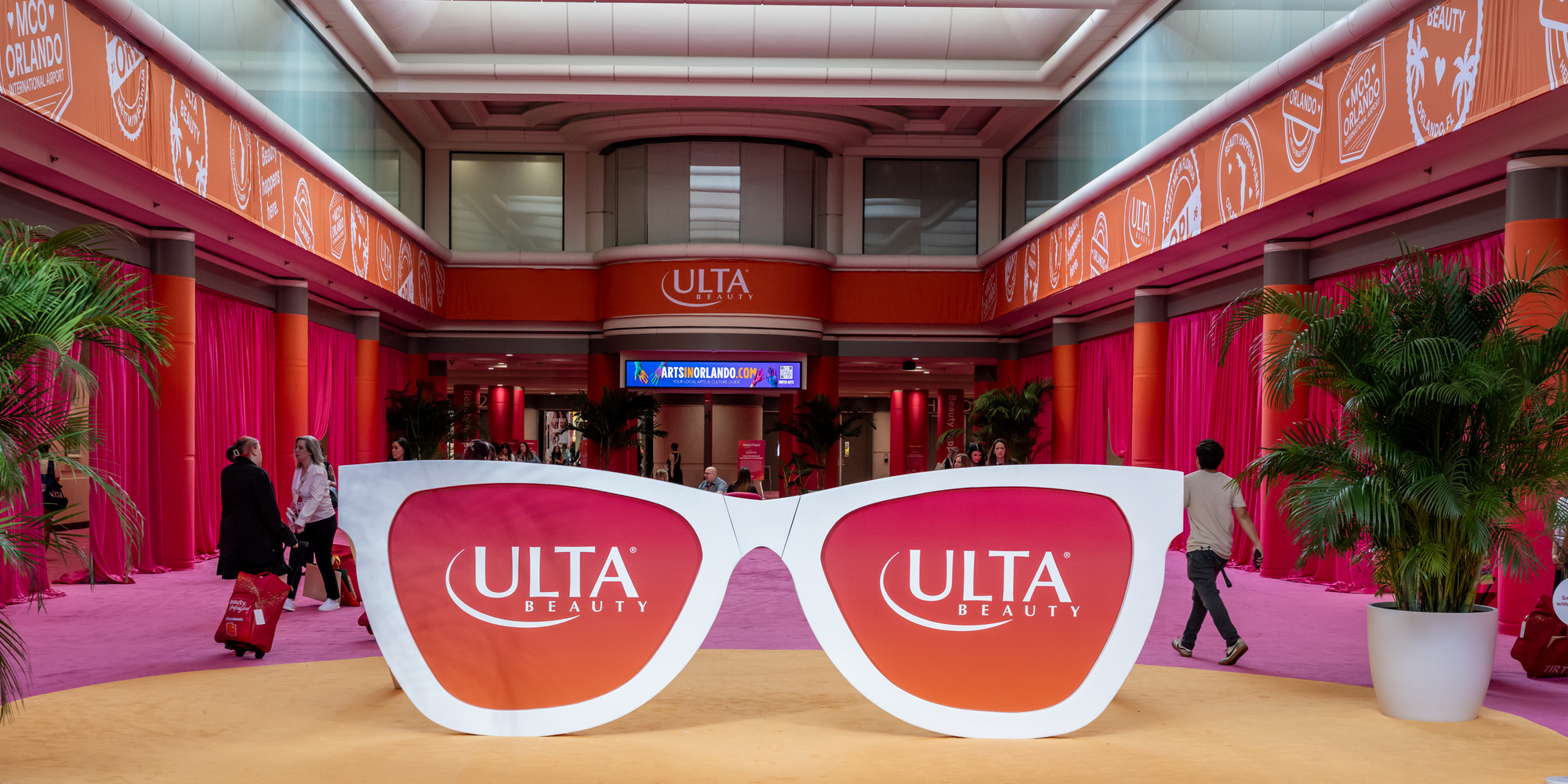
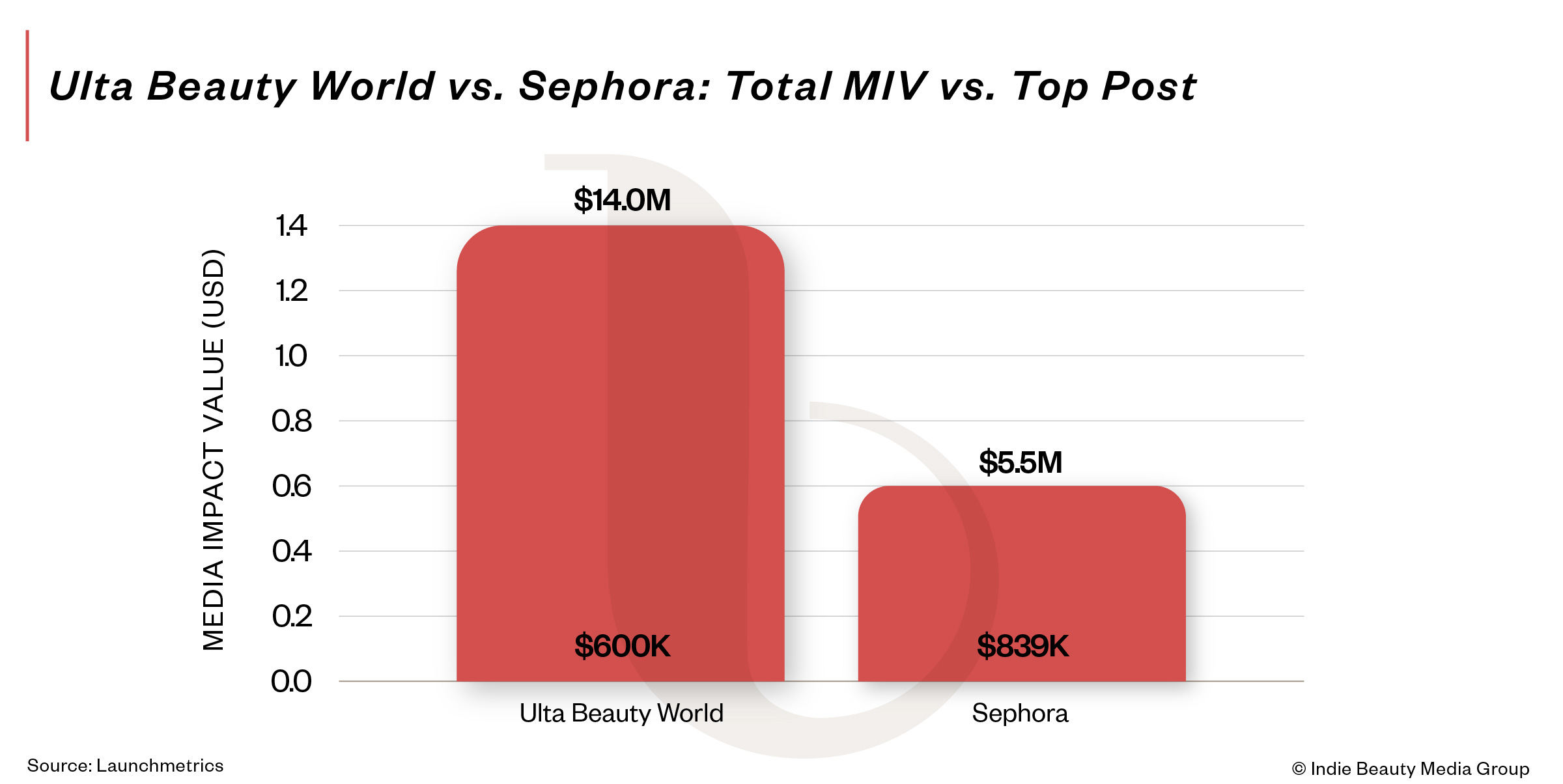
In the battle of beauty retail festivals, Ulta Beauty World generated more than double the media impact value of Sephora’s Sephoria event, according to Launchmetrics, underscoring the strength of Ulta’s influencer, programming and gifting strategies.
The software and data insights firm estimates Ulta’s event, which ran from April 15 to 16, generated $14 million in MIV, a monetary value assigned to media exposure across print, online and social media, compared to $5.5 million in MIV for Sephoria, which ran from March 20 to 21. Ulta’s top-performing social post showed Spanish-speaking beauty content Mariana Cruz loading up on products from Fenty, Dyson, BaBylissPRO, Manyo and Chi. It trailed Sephoria’s top post, with creator Lindsay Silberman receiving the swag bag, at $600,000 in MIV versus $839,000, demonstrating that while Ulta dominated on scale, Sephora delivered on virality.
“This year, Ulta Beauty World established itself as a true cultural moment, with demand and energy that exceeded expectations and what we can undeniably call the biggest and most dynamic beauty event in the industry,” Ulta CMO Kelly Mahoney tells Beauty Independent. “What has been most exciting is how our guests showed up not just to discover products, but to connect in real life through immersive, high-touch brand storytelling…it is a powerful reminder that beauty retail today is not just about product. It is about connection, community, and culture, and Ulta Beauty sits at the center of it with a welcoming, inclusive and approachable ethos that makes it all possible.”
For many industry insiders, the MIV gap wasn’t surprising. Across TikTok, Instagram and LinkedIn, feeds were flooded with content tied to Ulta Beauty World, the preceding Field Leadership Conference and first-ever Masterclass Day. Full-size giveaways and oversized swag bags were major drivers of that content. Ulta hosted roughly 3,000 attendees at its one-day expo and another 2,000 for Masterclass Day. The Business of Fashion reported that the FLC was attended by 2,500 store employees. Tickets were $160 for Ulta Beauty World and $75 for Masterclass Day. Expo attendees took home swag bags with products valued at $2,000, plus a Beis suitcase.
Sephoria drew more than 8,000 attendees, with participants choosing from four sessions that enabled them to walk the floor for a three-hour window. General admission tickets were $180 and came with swag bags valued at over $700. VIP attendees paid $465 for swag bags valued at over $1,650. The event also included masterclasses, meet and greets, fireside chats and a VIP lounge.
Susannah Dellinger, founder and CEO of Bright Beauty Connect, a retail field team agency that went to Ulta Beauty World, highlights the return on ticket price: roughly 12x for Ulta Beauty World’s swag bag versus about 3.5x to 4x for Sephoria. “Those ratios alone change the unboxing content calculus considerably, and content creators notice,” she says. “When you add that to the reveal of the gorgeous neutral Beis luggage travel sets filled with beauty products, it became such a shareable moment.”
Sephoria featured around 50 brands, including Glow Recipe, Summer Fridays, Makeup by Mario, Tower 28, Huda Beauty and Haus Labs. More than 200 brands participated in Ulta Beauty World, including Rare Beauty, Beekman 1802, Anastasia Beverly Hills, NARS, Tatcha and Drunk Elephant. Brands spent anywhere from $15,000 to $20,000 on booth buildouts on the low end, with more elaborate activations running up to $500,000. The cost of product gifting, travel and rental space added thousands more. Sephora started Sephoria in 2018. Ulta kicked off Ulta Beauty World last year.
“These events are where retail becomes culture,” says Brad Farrell, CMO of Beekman 1802. “It’s not just about showcasing products. It’s about creating moments that educate and entertain while building real personal connections.”
“These events are where retail becomes culture.”
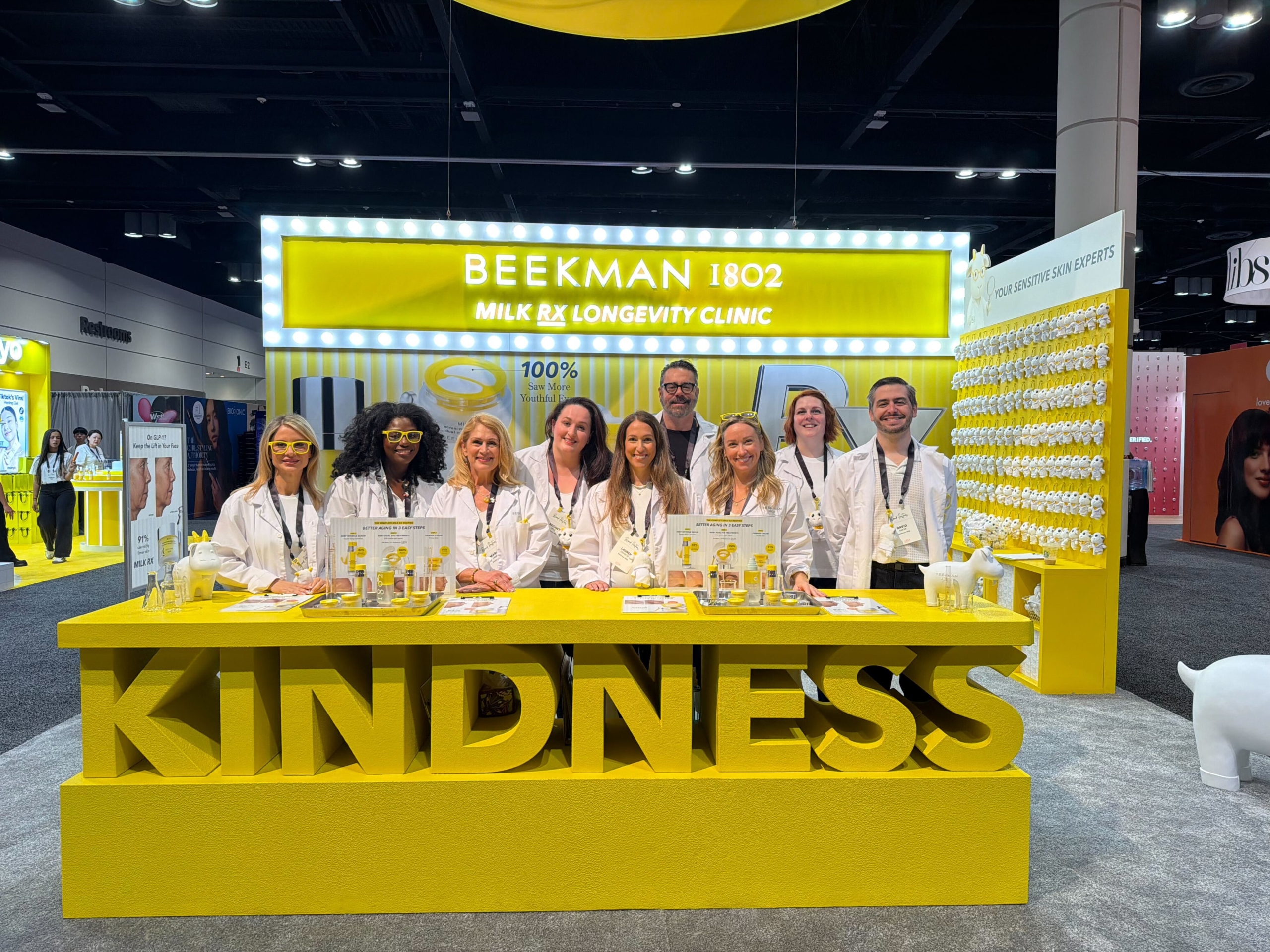
Beekman 1802 promoted its Milk Rx line during Ulta Beauty World with a booth styled as a longevity clinic and staffed by employees in lab coats. To drive buzz, it transformed its mascot Goatie into a Labubu-style stuffed animal that attendees attached to their bags. It also ran a contest with The Kindness Crew, its 3,000-plus ambassador program, for a ticket to the event.
Ulta and Sephora deployed expansive creator strategies to fill social media feeds with event content. Ulta leaned on its internal social media team and a broader creator network, including its 40-plus-member Ulta Beauty Collective. Sephora tapped content creators, brand founders, corporate partners like Starbucks and Unwell, and high-profile guests such as “Call Her Daddy” host Alex Cooper.
Beauty journalist Kirbie Johnson, who hosted Ulta Beauty World with her “Gloss Angeles” podcast co-host Sara Tan and attended Sephoria as well, writes in her Substack “Ahead of the Kirb” that Ulta Beauty World delivered better value for attendees than Sephoria, but the two events served different purposes. “Ulta was more of a spectacle, but I do not think SEPHORiA is trying to compete on the same level,” she says. “Gone are the days where photo opps would suffice. Now, everyone wants the opportunity to feel like an influencer—in this case, the opportunity to receive a ton of free product.”
She continues, “It boils down to how they position themselves as a prestige retailer…they utilize the event as a means to market their brands and give the customer a taste so they want to shop them in store…[Sephora is] known for exclusivity and demand; Ulta embraces accessibility and benefits. I think both events mirror their respective company ethos perfectly.”
Neither Ulta Beauty World nor Sephoria was issue-free. On Jan. 21, Ulta faced backlash when tickets for Ulta Beauty World sold out within minutes, with reports that more than 2 million people entered the online queue for only 3,000 spots. Frustrated customers accused the retailer of favoring influencers. Ulta pushed back, explaining on social media that tickets allocated to creators were separate from those available to the public.
The event’s inaugural masterclass programming also drew mixed reviews. Some attendees praised the lineup of eight presenters, including Jonathan Van Ness, Tina Knowles, Natasha Denona, Anastasia Soare and Donni Davy, but others who attended after missing out on expo tickets questioned whether it justified the travel expense. TikTok creator TravelWithAshton says, “There should have been more things for us to do outside of just the masterclass.” Another creator, Apryl, called Masterclass Day a “bust,” saying the products used did not match those included in the swag bag.
Some Sephoria attendees criticized brands for handing out sample-size products instead of full-size ones and noted that select brands gave away accessories or trinkets rather than products. A TikTok creator with the handle Gabrielareyess says, “Why did I fly from Texas to L.A. for snacks”?
For Sephora and Ulta Beauty, the stakes extend far beyond photo opps and swag bags. With e-commerce constituting more than half of beauty sales in the United States and online players like TikTok Shop and Amazon grabbing share from physical retailers, in-person events are increasingly critical touchpoints for connection and discovery. Earlier this year, Sally Beauty hosted its inaugural public-facing Colorfest pop-up in Los Angeles. In 2025, Ulta planned roughly 70,000 in-store events, up from about 50,000 the year prior.
“Brands can no longer think of these activations as adjacent to their owned marketing,” says Alison Bringé, CMO at Launchmetrics. Dellinger concurs, saying, “Experiential is no longer just a marketing line item, it is a full-blown category strategy. The retailers who build community through live moments will compound that into loyalty in ways discounting can’t touch.”


Leave a Reply
You must be logged in to post a comment.