

Barneys New York may be mounting a comeback, but for those in the consumer packaged goods category, Erewhon is practically the new Barneys. Investors, retailers and shoppers scour its shelves for the next big thing, and getting into its stores—now totaling 11, but soon to be more in Southern California—provides brands a coveted venue for retail validation and further growth.
Much of its cultural cachet and brand-building prowess comes from its distinct barriers to entry—it prohibits artificial colors, artificial flavors and synthetic preservatives, among many ingredients—the keen taste of its buyers, including Maren Giuliano, a veteran of Whole Foods’ whole body department who joined Erewhon five years ago as VP of health, wellness and beauty. She’s unafraid to take a chance on a brand she has conviction about, often by bringing in a limited number of stockkeeping units, but is equally unafraid to cut brands.
“We want to keep cycling through and always have new interesting things,” she says. “It’s not like we actively try to set trends, but we are conscious of them and that it’s a really good staging platform for brands to be discovered. We want to be that place of discovery, so we have that in mind when we are looking for brands.”
Beauty Independent asked Giuliano to elaborate on how brands launch and exit Erewhon, emerging trends and whether the natural grocer’s shoppers, famous for buying $20 strawberries, actually care about scoring a deal.
What is the product review process like?
Josephine [Antoci], the president of Erewhon, and her husband Tony run the place. She sits in on every product review, which we do once a month. Josephine, Elizabeth Chiappellone and I spend the whole day going through everything that’s submitted. Elizabeth spends 90% of her time in the stores and has a pulse on what customers are asking for, managers are talking about and what the space looks like.
We have a portal where brands answer a lot of questions about ingredients, and by the time they’re approved to submit, they’ve already gone through that process. Our system will automatically decline them if there are ingredients we don’t allow. Over the month, we let everything come in and start organizing it.
On review day, we have a special room in our office just for it. We go through all the line extensions first, and then we go through things that we’re excited about that we saw come in. We’ll look at the category and, if there’s something that we like, we consider, do we have room? Do we have to discontinue something?
We always ask brands to submit a few samples of each product so we can take them home and try them. We report back on our experience and sign off on ones that we like, and they go through the onboarding process.
Do you do regularly planned resets like other retailers?
If something is of interest and we want to bring it in, we bring it anytime. There is no set schedule. Before it’s ready to launch, we usually ask the brand to come in, do trainings and educate the team. They will get a notification saying to schedule a training.
We probably approve 30 items a month in beauty and supplements, but they trickle in throughout the month. There is no mega-reset. We work in products when we identify products we want to work in, and we will also identify items that aren’t doing as well.
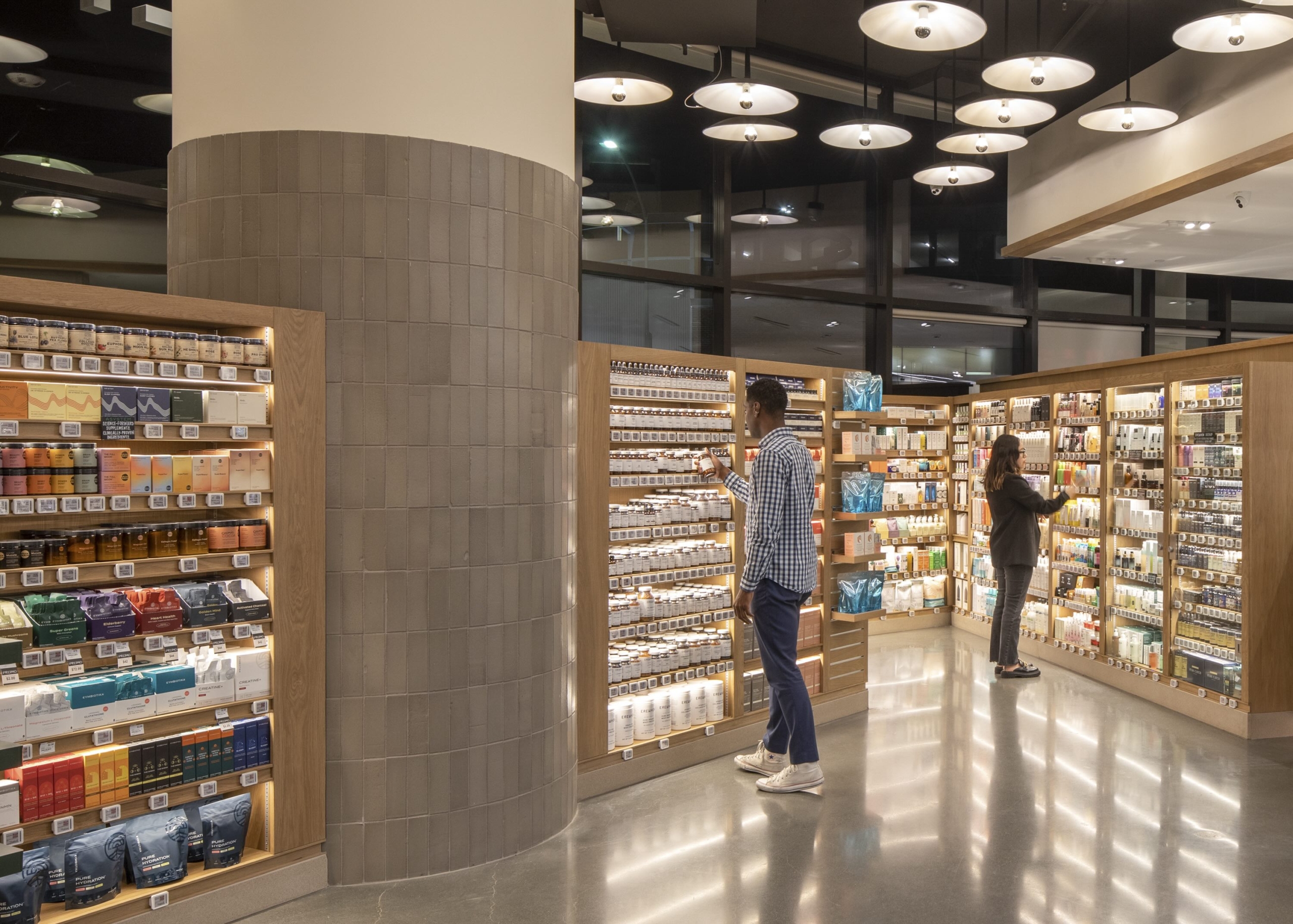
Face care is really challenging because we keep a lot of it behind glass. They are small items and, because of the amount of traffic we get in the store, they can disappear. Because of the limited space, every time there’s a new line, we have to get rid of a line. We have to make pretty hard choices.
How different is the assortment from what it was like five years ago when you started?
It’s radically different. We used to be way more supplement-heavy. I think it was 75% to 80% supplement to maybe 20% beauty. Now, it’s 32% beauty.
Our customers have really responded to it. The growth is definitely on the beauty and body care side. We have about 300 brands in the department, but we’ve shed a lot of old brands and replaced them with newer, exciting brands.
How has growth been?
In health and beauty, we had incredible growth year over year for multiple years in a row. This year, it has flattened out a little bit because you can’t continue to grow at that rate. We have really dialed in our promotional and endcap strategy, and we are looking for that next big brand.
We will be the first retailer to launch a DTC brand—for example, we launched Armra first, and we were an early retailer for Cymbiotika—and it goes crazy, and we see huge growth, but then their strategy is to go into more retailers, and it becomes harder for us. That’s our life cycle, and we want to continue to find something that no one else has and be that first retailer.
What are the endcap and promotional strategies?
Our endcaps are very valuable because we don’t have that many. We used to do them once in a while, and now we do them more often. It started with Seed making a permanent buildout in our store on an endcap. That took off.
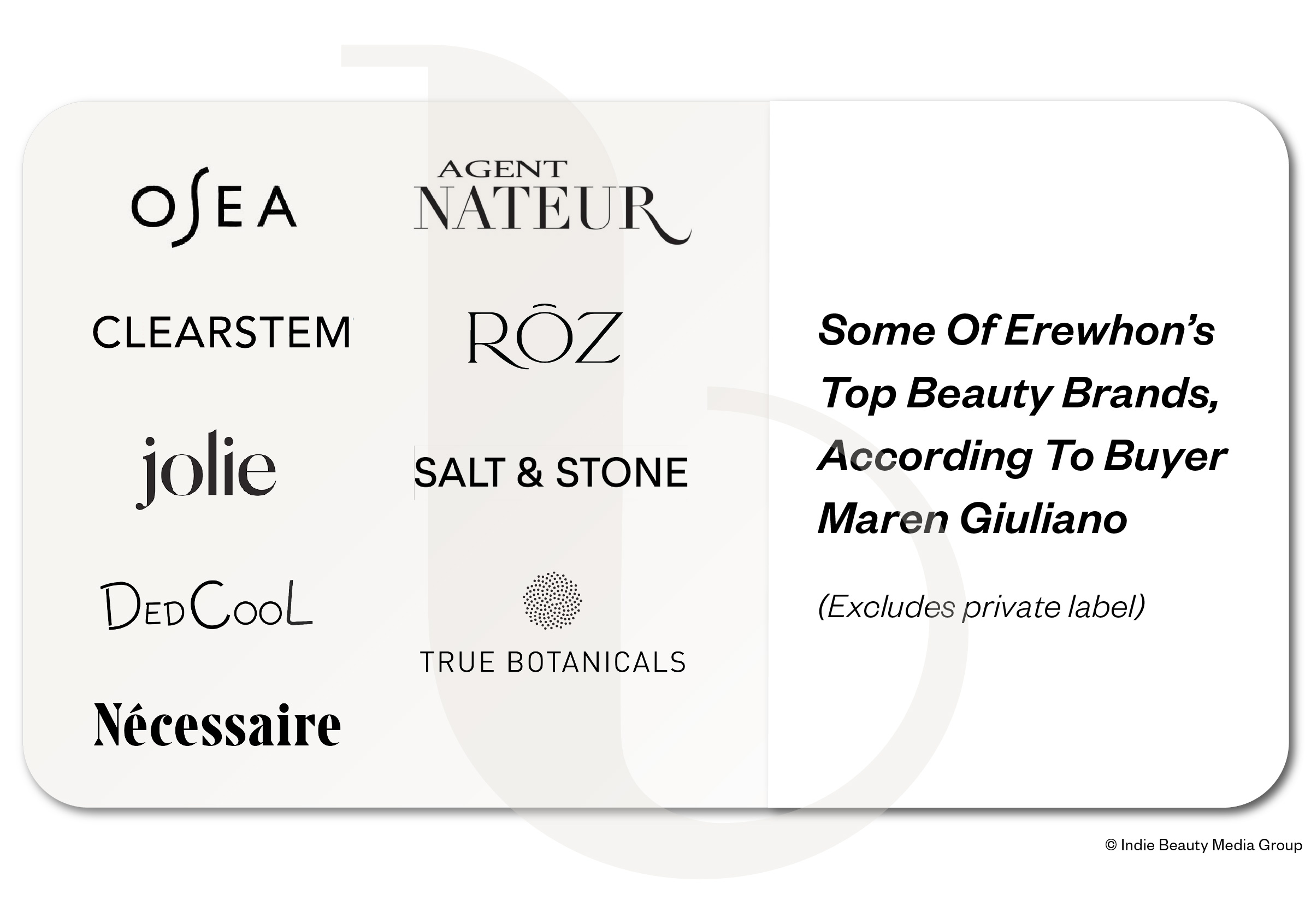
It’s a billboard in the store. True Botanicals is on right now. We let them put images and educational signs and a big header and footer. Besides endcaps, we offer side caps.
A lot of beauty brands don’t like to discount. We have convinced them that promoting once a year and doing something special, perhaps with an endcap, is huge. Customers aren’t used to getting them on sale, and, if it’s once in a while, it feels very special.
We offer the side caps as an off-shelf promotional space. OSEA did gift sets there for the holiday. We have two available in health and beauty and move them in and out once a month.
What is a brand launch like?
Anytime we launch a health and beauty product, we put it in all 11 stores. They’re supposed to get eye-level placement to give them a chance and help people become aware of them. They get a hand-painted sign, and the brand can submit what they want it to say to highlight it on the shelf as people walk by. The brand also organizes a training. We ask for a free fill, meaning six free of each for the stores so we can help swap out the stuff that doesn’t sell.
There are all kinds of voluntary things they can participate in. There are member smoothies that brands can sponsor, and we have had a lot of beauty brands do that—Rōz did it a few months ago—not necessarily at launch, but soon after, within the first year. True Botanicals has done that twice.
Erewhon is known to be expensive. Are the shoppers actually price-sensitive?
There’s a perception that everyone who shops at Erewhon is rich, and not everyone is, but, even if you are, people like deals. It’s irrelevant to how much money they have. And just having something visible in an endcap, the exposure will help sales, but giving a little discount goes a long way.
How do you assess a brand?
There are the ingredients, but then there’s the look of it, which is hard to pinpoint. When you know, you know that this looks like an Erewhon brand. We will bring in some unknowns, but we want to know where else the brand is sold, if that complements us and whether it has some momentum behind it. We favor brands already in the beauty channel as opposed to selling at Sprouts or Whole Foods. Obviously, we are looking to see if there’s a category or product that’s trending.
Is there a category or trend you’re looking at now?
We don’t have enough lip care. We are thin in that category. We don’t really do cosmetics, but we have dabbled in it a tiny bit. We brought in Manicurist and did more of their natural-looking polish and nail care.
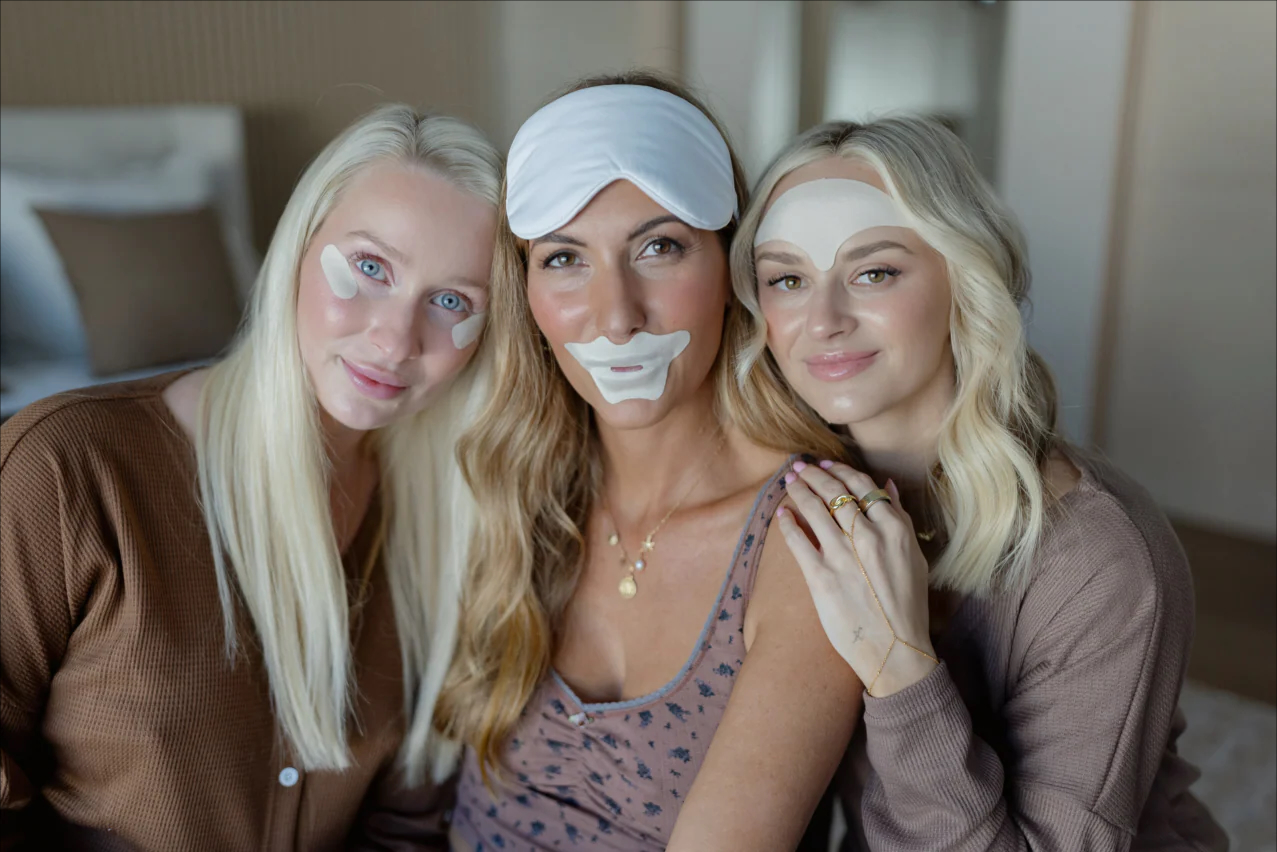
We have brought in several brands in face tape/mouth tape, including Seald and Dryft Sleep. People are constantly asking us for tallow-based beauty. We have VanMan. We are always on the search to find the right one because some of them smell weird, who knows where they are made, and they aren’t elevated enough.
What about fragrance?
DedCool and The Nue Co. are what we have in fragrance right now. It’s a tough setup for fragrance. You need to be able to experience it, and it’s hard to merchandise properly, especially if it has to be under lock and key. The Nue Co. is under lock and key.
We wanted to see how DedCool did to see if it’s something we wanted to expand on, and we may. We get a lot of fragrance submissions, and we turn most of them down because we don’t feel confident we can display them properly.
What are emerging strong performers and trends?
In addition to doing health and beauty, I do all the private-label development for not just health and beauty, but for grocery. I spend the majority of my time on that. In our own brand, we have launched sheet masks and eye masks. They’ve done amazing. We have firming and hydration sheet masks.
Outside of that, longevity, hydration and sleep are growing categories for us. Lemme sleep gummies are doing amazing. We have been getting a lot of questions from people wanting to take peptides internally, and that’s bleeding into beauty. People are getting more knowledgeable about them and looking for them more.
People are looking for scalp health. We have been getting a lot of scalp serum submissions. Lymphatic drainage is another one, with suction cups and dry brushing.
How does your online commerce work?
That’s an area where there is still lots of potential. We ship mostly our own brand through our website to customers outside of LA. There are a few brands on there. If a brand is able to drop ship, we like that.
Sometimes we will test things on there that are more expensive. There are plans to have more offerings and other changes in the coming year. Right now, we hand-select unique things or brands to participate.
Are there product or brand claims shoppers are responding to now?
They’re not looking for clean per se, they want it to work, they want to know it’s safe, and that it smells great. Attributes like made with organic or regenerative ingredients, those are nice to have as secondary benefits. We have tried waterless bars, and they never sell. That’s not the main motivating factor for someone purchasing.
We have just brought in Kinship in body. They have positioned themselves for sensitive skin, and that’s a claim people are interested in.
What kind of business can a beauty brand do at Erewhon?
It ranges so much, but because of our traffic, the units are probably higher than at some beauty stores, but beauty is not like a bag of potato chips where you eat it and come back the next day for more. For beauty, it can range from 50 to 1,500 units per month, but it’s very category- and situation-dependent, and expectations for brands are based on the rankings for their category. We give them a dashboard so they can check themselves. When we discontinue a brand, it’s not a surprise.
We still only have 11 stores, so the volume is going to be low compared to something like an Ulta. For brands, a lot of times the investment in Erewhon is as a launching pad to get into other retail down the road. Sometimes, it doesn’t matter if they are making their ROI on getting in, they’re looking at it from a strategic and marketing perspective.
Other than the smoothies, what’s a promotion or partnership that’s highly successful?
If a customer buys a combo plate, which is a bestseller at Erewhon, they can get a free sample of something. Salt & Stone, for example, can give a mini deodorant. A supplement brand may do a hydration stick. That’s a great way to get trial with many Erewhon shoppers.
What makes a good buyer?
It’s part intuition, part risk-taking, but I also feel like you have to have compassion and be willing to have patience for small brands. A lot of them are still learning and make mistakes, but they can grow into successes in stores. You have to be willing to semi-coach and mentor brands.
This interview has been lightly edited for clarity and brevity.

Leave a Reply
You must be logged in to post a comment.