CEO Denise Paulonis On How Sally Beauty’s New Store Format Is Taking On Amazon And TikTok Shop

Sally Beauty is in the midst of a glow-up.
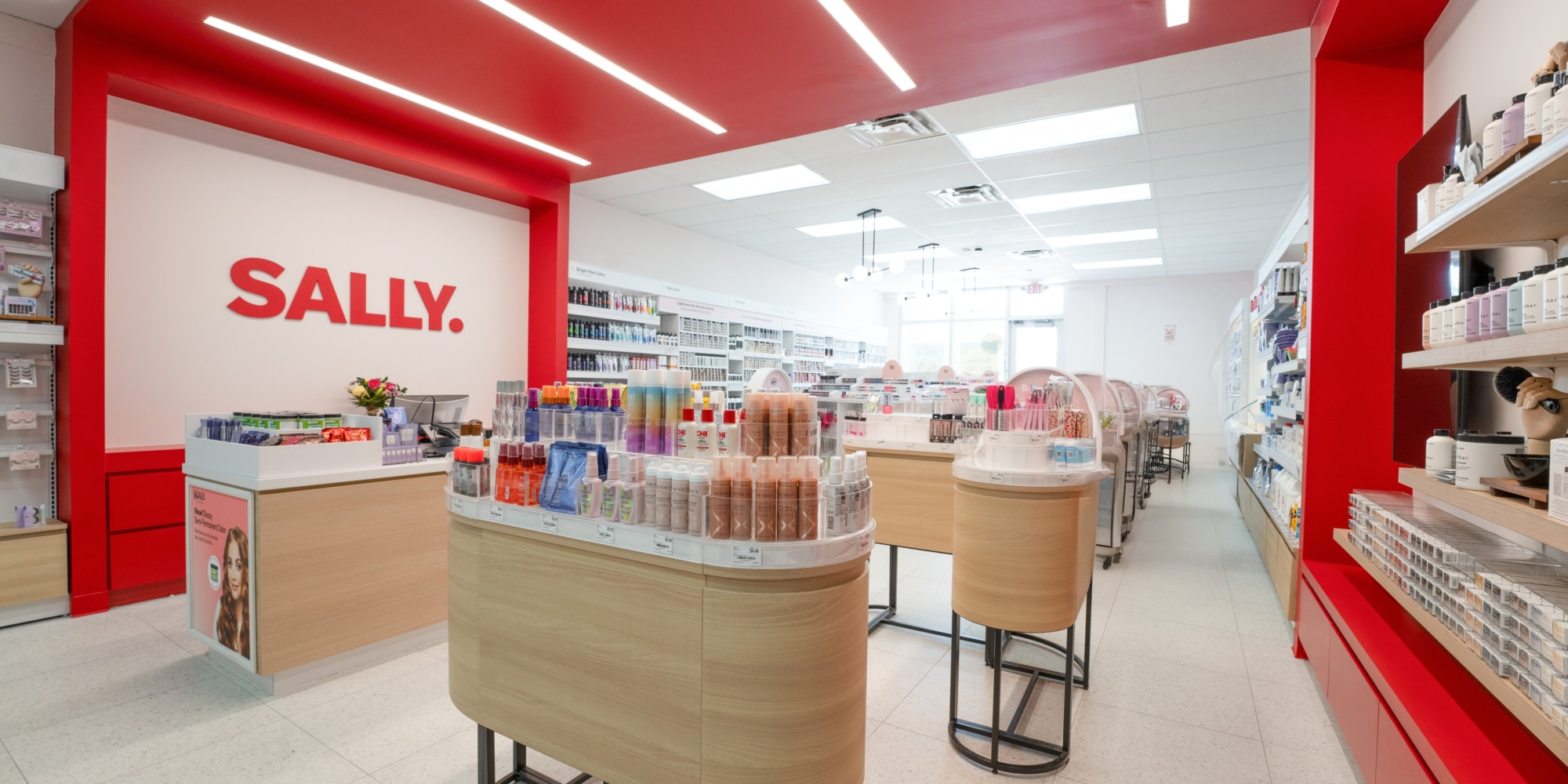
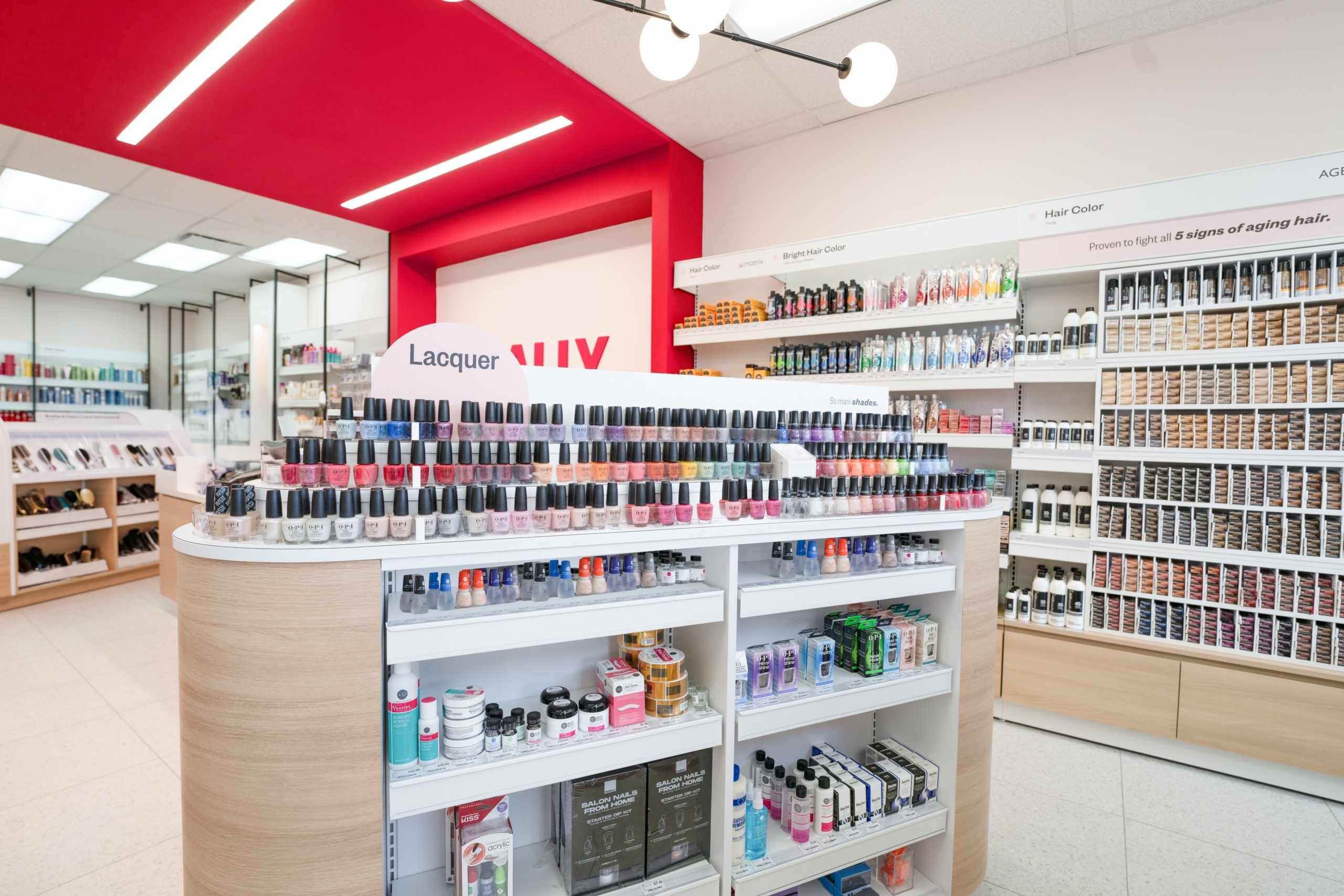
The 62-year-old beauty specialty retailer is reintroducing itself to shoppers through a new store format that encourages discovery and interaction. The format is a crucial step in Sally Beauty’s Sally Ignited plan announced in 2024 that’s aimed at positioning the company as a beauty retail destination rather than a B2B wholesaler. Hair color and nail, Sally’s top categories by sales, are housed in the most prominent displays in the refurbished layout, and the latest haircare, fragrance and nail art launches are emphasized to drive customer acquisition.
To optimize its new format, the retailer has cut its product count by 15% or more across categories. New brands launching in the format include haircare brand Lola From Rio, nail brands BTArtbox and Daily Charm and fragrance brands ALT and Sweet Tooth by Sabrina Carpenter. Older format Sally Beauty stores typically stock around 7,000 products from brands like Ardell, Arctic Fox, Cantu, Dashing Diva, Eva NYC, IGK, Kiss, L’Oréal, Madison Reed and Raw Sugar Living.
“Post-COVID, stores didn’t disappear; they became more important, especially to younger consumers,” says Denise Paulonis, CEO of Sally Beauty Holdings, parent company of Sally Beauty. “Sally has strong brand equity built over 60 years. People who love us really love us, but we are a mature retailer. We have to acknowledge where we are in that landscape. Growth now depends on getting customers to cross-shop and attracting new ones.”
Sally Beauty expects to open around 50 new format stores this year, up from 35 to 40 last year. The company operates over 2,000 branded stores across the United States and Canada. Sally Beauty Holdings also operates 1,300-plus CosmoProf stores under its Beauty Systems Group (BSG) vertical, catering exclusively to the professional channel. BSG accounts for about 43% of the company’s business, with Sally Beauty accounting for the rest. Paulonis says that about 10% of Sally Beauty’s retail business is fueled by professionals.
Sally Beauty’s new format is being rolled out at a critical inflection point in beauty retail. Fierce competition and consolidation have caused beauty retailers like Sephora and Ulta to have outsized influence in the market. At the same time, e-commerce giants Amazon and TikTok Shop continue to siphon market share as nearly half of beauty purchases are made online, according to market research firm NielsenIQ.
During the fourth quarter, Sally Beauty delivered stronger than anticipated earnings, with net sales up 1.3% on a yearly basis to $947 million, and same-store sales up by the same percentage. Global e-commerce sales accounted for 11.1% of net sales, and gross margin expanded by roughly 100 basis points to about 52.2% during the period. On a full-year basis, net sales declined by .4% to $3.7 billion, with same-store sales increasing by .3%. Entering 2026, the retailer is conservatively forecasting same-store sales to range between flat and up 1% as it seeks to cut $120 million in expenditures from its income statement.
Beauty Independent spoke with Paulonis about Sally Beauty’s 2026 goals, assortment strategies, consumer trends that defined 2025, spinoff concept Happy Beauty Co., and how brick-and-mortar beauty retailers stay relevant with digital-first customers.
How are you approaching the business this year?
Beauty remains highly competitive, but it’s also resilient. Consumers continue to spend on products they see value in, even if they’re more selective. Unlike grocery, where impulse spending can disappear quickly, beauty still delivers emotional payoff. Hair color, which is core to our business, behaves almost like a staple. People don’t trade away from it. They might trade how they do it, though. We’re seeing momentum around a higher level of comfort with people DIYing their hair color than doing it in a salon, for instance.
But what we’ve built is a lot of momentum in the business, in general. Color underpins that, but then innovation, personalized experiences and our marketplace strategy on our digital side, too. I think importantly, we’re believing the consumer will be just as picky as they’ve been the last year. That’s not going to change. They have to be careful with how they’re going to spend their dollars.
But we have the right to win just like everyone else does. Higher-ticket items may be harder to move, but that doesn’t stop customers from wanting great hair, trying a new fragrance or making small impulse purchases. Our focus is doubling down on the areas where we’re winning.
Are there certain areas of the business that you’re improving upon this year?
Innovation is a big one, especially with our own brands. We’re relaunching key private-label lines like Texture ID and Inspired by Nature, investing in packaging, formulation and storytelling to reinforce why they’re only available at Sally. These brands are a major differentiator for us.
Digitally, we’re continuing to enhance speed and convenience. With over 2,000 stores, most customers receive digital orders the same day through BOPIS, delivery or marketplaces. That’s a real competitive advantage. Last year was a big push to launch in marketplaces across DoorDash, Instacart and Uber Eats.
But the biggest evolution is Sally Ignited. It’s not just a remodel. It’s a rethinking of how customers shop our assortment, combining expertise, curated categories and a more inviting environment.
Let’s talk about Sally Ignited. What prompted it?
We’ve really repositioned ourselves away from the commodity items that you can get on Amazon to try to be a pretty unique offering. But when we look at where growth has to come from, our core customer shops hair color. Even though 60% of them buy a different category in the store, we want 100% of them to cross-shop other categories in the store. We can’t do that with the store environment we’ve got. We also want to keep bringing in new customers, and we know you get new customers in our boxes through nail and through things that feel very accessible to them. So, we’ve been kind of resetting our baseline.
Customers told us they’d linger if we gave them a reason. And, so lowering the fixtures in the store, thinking differently about curating certain areas where it’s much more obvious why this is a product for you, making things seem fun.
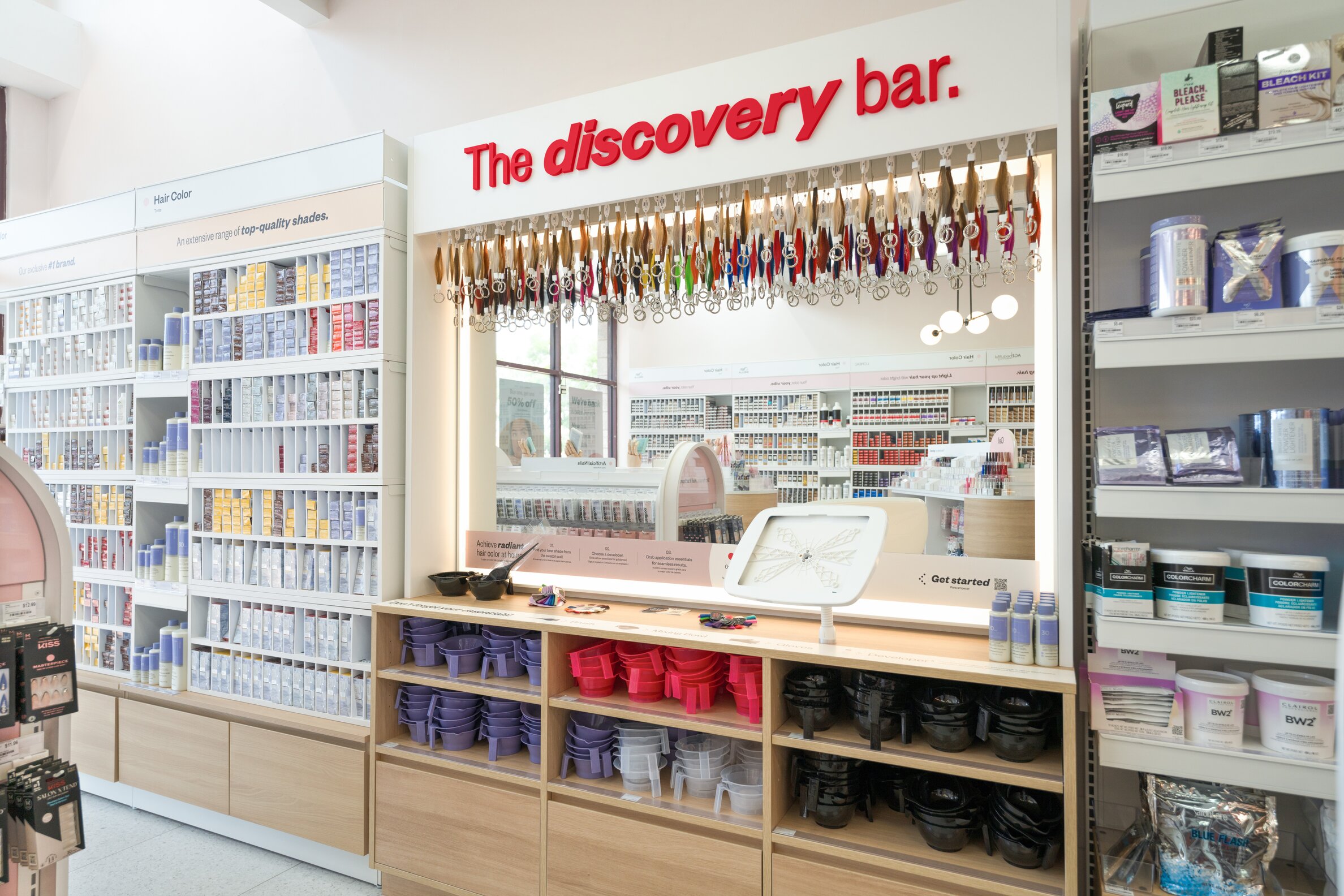
We put in what we call a discovery bar. If you’re new to coloring your hair, here’s the place that not only can connect you digitally on an iPad to get support, but here’s a mirror with all these colors and shades that you can have fun and play for a little bit. We do see a higher propensity for customers to cross-shop the store now and higher units in the basket in that same transaction as well.
Are certain categories emphasized or deemphasized in the new format?
Hair and nail remain our core. Haircare is the place where we want to be more targeted. So, what we are seeing is people gravitating towards treatments, specific styling products and serums, things that fix and solve a problem for them. They don’t need 400 choices of shampoo and conditioner. So, rethinking what care means is part of our focus and part of that distinctive point of what we can offer.
We’re expanding fragrance, trial sizes and impulse categories, while being selective in cosmetics and skincare. We’re not trying to be everything to everyone, but finding out where we can uniquely play. So, we’ve pulled back to be able to expand.
With styling tools, we’ve gone to a good, better, best. It used to be the view that, if my assortment was broader, that will excite the customer. The customer right now says, “I’m overwhelmed by choices. TikTok offers me choices. Everybody in the world offers me choices. Help me make the right choice.” And that’s a lot of what we’re trying to do and get that broader exposure to a customer beauty wallet than what we might have today.
What’s the initial feedback from customers on the new format?
Loyal customers still worry about finding their staples, but associates help bridge that gap. Our customers actually think we have more in the store, not less. This is counter to what we’ve actually done, which is SKU rationalization and simplifying the store. They feel like there’s more to explore just because of how it’s laid out. They like the fact that they can see throughout the entire store and understand the full offering and what they’re going to go experience.
The other piece that’s interesting is how customers are engaging with us in the marketing spaces that we are in. Our holiday campaign was around skip the salon, very directly telling them, “You have the power to do this yourself. If you’re looking to save money or do this a different way, we can help you.” We have a licensed colorist on demand that you can talk to from your sofa if you want. So, this idea that we’ve become more personalized, unlike a drugstore, is what they’re telling us they really like.
What trends are emerging in Sally stores right now?
Most of the trends are around more natural looks and really healthy-looking hair. Before, it was a very intense balayage hair color experience. People are leaning into glossing, too. They might’ve been coloring their hair before, but now they’re going to buy an extra glossing color.
Blonding continues to trend. I think it actually goes with the economy. When the economy is less solid for folks, there seems to be an orientation to a little bit more blonding than there might’ve been otherwise.
People are really wanting embellishments on their nails, but they want it easy. There’s been a crazy reinvention of the press-on nail business where it’s a healthier product for your nail, but it also can give you more of that bling if that’s what you’re looking for.
What we see economically is people continuing to lean into color and nail. They’re very affordable. People are pulling back or trading down in styling tools and basic shampoo/conditioner.
What about on the professional side?
They’re very, very loyal to their color brands, but I will tell you, Schwarzkopf has an amazing lineup right now that pros are very excited about. They’re also excited about Danger Jones, which started as a vivid hair color, but has progressed into glossing and other colors.
We recently launched K18, but we also have brands like Unite and Verb, where stylists usually ask, “What’s the difference in the efficacy here? Who might this product be right for?”
What we hear from stylists is that they want to be able to offer customers something that they can’t just go buy in any retail establishment: “I want that treatment that when they come to me, they feel special.” So, they continue to gravitate to brands that start as pro-only brands before they might push out into retail environments.
What is Happy Beauty Co., and how does it fit into the broader Sally Beauty business?
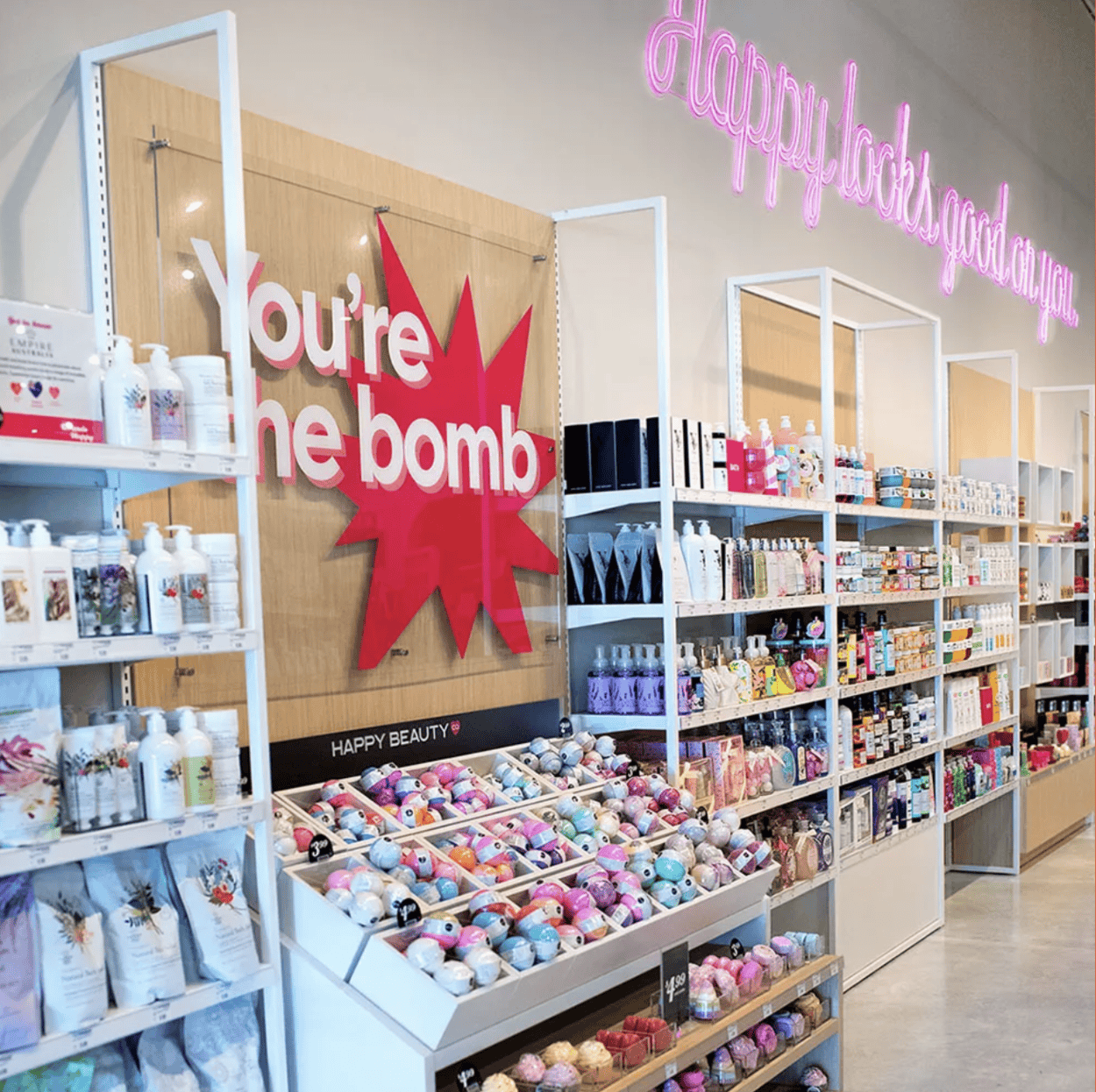
Right now, it’s a 20-store test that stands alone from Sally Beauty. It’s cosmetics, it’s skincare, it’s fragrance, it’s heavily Korean skincare. The cosmetics are heavily DTC brands like Moira and KimChi. What we’ve seen is the desire for exploration from the customer, and we make it really fun. If you spend $25, you go to a vending machine and pick a free item. It’s targeted for beauty enthusiasts who are teens, tweens and moms specifically.
We think of it as an incubator, as a way the company is just continuing to work to innovate and understand where we can take the business over time. We have two very mature businesses: our pro BSG business that operates mostly under our CosmoProf brand and Sally Beauty. This is a third leg that could take us into another arm of beauty that might hit a different consumer than what a 1,800-square-foot box store. We’re certainly taking some of the learnings from it, and we’re watching product trends.
What about Sally’s digital strategies?
The site experience right now is a lot cleaner. It’s very clear who we are, what we stand for and how you get this personalized assistance with a licensed colorist on demand. That’s probably one of the biggest things over the last year on our own site, where you can sit on your sofa and talk to a stylist. It feels very personal.
A huge impetus in our digital growth has been around the marketplaces. It’s a great way that we’ve been introducing new customers into Sally. We’ve done some black box comparison and the overlap with who buys through DoorDash, Uber Eats and Instacart versus who buys at Sally is very small. So, that cannibalization isn’t there as much as it is gaining new customers.
On the pro side, they live on their phone. So, our app is getting relaunched with a whole new level of education built into it with things like tutorials from our brand partners. But we’ve seen great growth on the digital front this past year, just a lot of momentum that we’ll keep building on.
How can brick-and-mortar beauty stay relevant as online platforms continue to gain more market share?
There’s three big things. I think there is expertise, accessibility and experiences. AI is interesting, but humans still trust other humans right now. In beauty, folks don’t like to give up that personal conversation, particularly in some of the categories that we’re in.
With accessibility, I think people are past the idea of, “I need to dress up or be perfect to go buy something somewhere.” I want to be able to be real. I want to do it with my friends, and I want to feel good that I’m welcome when I walk into somewhere that I go no matter who I am.
With experiences, people now have very little patience for something that they find boring. That ties back to that idea of the stickiness of getting them in and keeping them in store. It comes from how the assortment’s laid out, it comes from the lighting, etc. If you don’t have something compelling, it’s really hard to believe that somebody’s going to want to come back and spend time with you.



Leave a Reply
You must be logged in to post a comment.