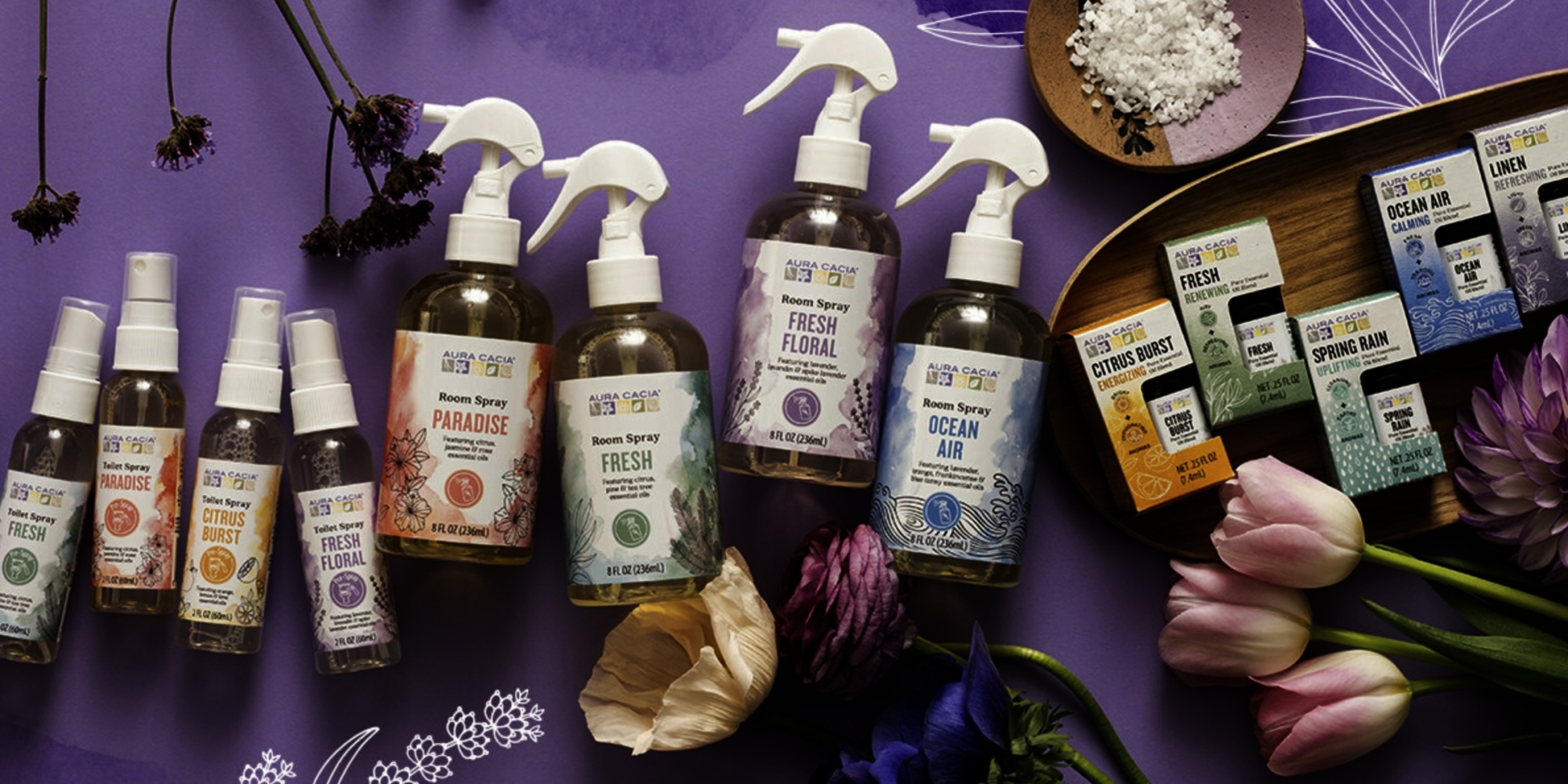


Country Life has acquired Aura Cacia, the leading aromatherapy and natural air care brand, from Frontier Co-op as it assembles a portfolio of beauty and wellness brands rooted in the natural channel with ambitions to expand beyond it.
Terms of the deal weren’t disclosed. Aura Cacia joins a Country Life portfolio that includes the namesake vitamin brand, protein brand Biochem and personal care brand Desert Essence. Along with the brand, Country Life is acquiring Aura Cacia’s 60,000-square-foot manufacturing facility in Urbana, Iowa, adding vertically integrated essential oil production to its existing 150,000-square-foot supplement manufacturing operations in Hauppauge, N.Y.
“With this acquisition, we will be well over $100 million. That’s an important milestone in the private equity world. We continue to work on profitability, and this will accelerate our profit efforts,” says Rob Robillard, CEO of Country Life. “Our plans are to drive growth in all four brands, ideally acquire a fifth, get to hundreds of millions of dollars and eventually look to find an exit for Lion Equity and the shareholders.”
Aura Cacia was founded in 1982 by aromatherapy enthusiasts and acquired in 1993 by Frontier Co-op, a 50,000-member-owned cooperative that surpassed $235 million in sales in 2023. Despite Aura Cacia’s leadership in aromatherapy, Frontier Co-op’s core business is herbs and spices through its namesake brand and Simply Organic.

“After stewarding Aura Cacia’s growth for more than 30 years, we believe this decision allows both organizations to focus, scale and thrive,” says Tony Bedard, CEO of Frontier Co-op, in a statement. “Country Life has the expertise and resources to help Aura Cacia fully capitalize on the growing consumer demand for high-quality essential oils and aromatherapy products. We are proud to entrust this mission-driven brand to a partner that will build on the values that have made it successful, while we remain focused on our herbs and spices business.”
Previously chief merchandising officer at HSN and CEO of Sensible Organics, Robillard’s initial priority at Country Life when he became CEO in 2024 was to strengthen its brands’ omnichannel distribution, manufacturing capacity, procurement operations and marketing before searching for acquisition targets. For example, Country Life and Desert Essence recently launched on TikTok Shop.
Last year, the brands posted double-digit sales growth following roughly a decade of little to no growth. Today, e-commerce accounts for about half of their revenue, a departure from when the natural channel generated the vast majority of it. International markets have become another source of expansion.
Robillard expects Aura Cacia to replicate Country Life and Desert Essence’s trajectory. Generally priced from about $8 to $30, its essential oils and aromatherapy products are sold by retailers such as Whole Foods, Target, Sprouts and The Vitamin Shoppe. According to NIQ rankings cited by the company, Aura Cacia is the No. 1 brick-and-mortar aromatherapy brand and No. 1 natural air care brand. The company also cites SPINS data showing Aura Cacia ranks as the No. 3 beauty and personal care brand in the natural channel, behind Dr. Bronner’s and NOW.
“Our plans are to drive growth in all four brands, ideally acquire a fifth, get to hundreds of millions of dollars and eventually look to find an exit for Lion Equity and the shareholders.”
“Aura Cacia was similar to where we were two years ago,” says Robillard. “It is very dominant in the natural channel. It doesn’t have a very large e-commerce or international business, which is an area we’re focusing on now. We can fill that in and drive the same kind of growth.”
As it evaluated potential acquisitions, Country Life pursued brands that complemented its existing distribution and product portfolio. At a time when brands can rise and fall quickly, Aura Cacia’s heritage and the trust it’s forged with consumers made it particularly attractive.
“It has a very strong connection to our vision and the mission we have as a company,” says Robillard. “We have internal wellness with Country Life, topical wellness with Desert Essence, and now we have aromatherapy to impact your overall wellness and how you feel.” He adds, “They are the highest quality essential oils. They source from the best farms possible, and they have incredible quality testing to ensure materials coming in and going out meet the same standards. That’s akin to what we do at Country Life on our supplement side.”
Country Life’s collection of brands spanning beauty and wellness reflects the increasing overlap between the categories in retail strategies and corporate M&A. On a much larger scale, Unilever has assembled a portfolio encompassing personal care, beauty and wellness. On a smaller scale, venture capital firms like True Beauty Ventures have extended their investment scope from beauty to wellness.
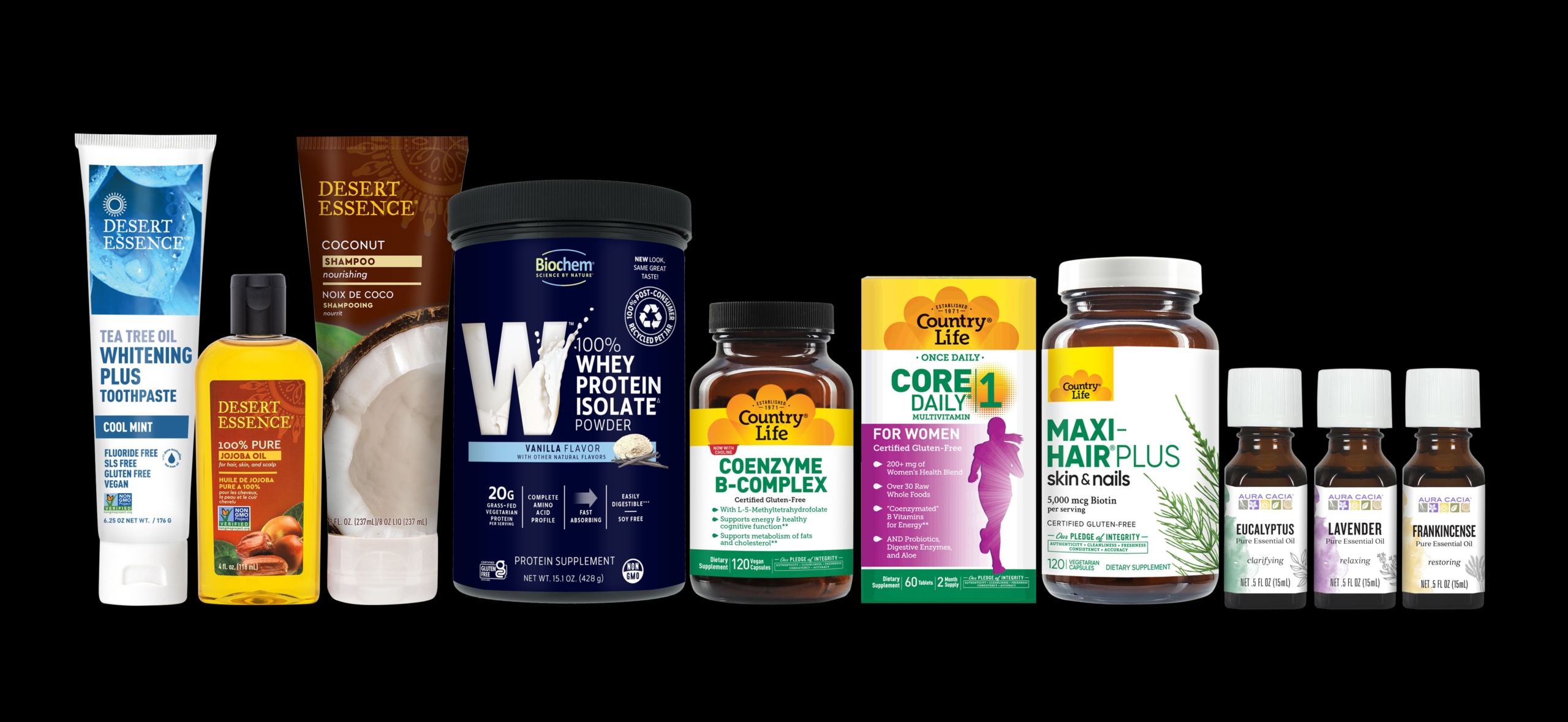
“We’ve had marginal success at trying to bring the whole thing together,” says Robillard. “Consumers are either into supplements, aromatherapy or topicals. Of course, there are customers that overlap between them, but it’s less that we are going to provide a head-to-toe solution for people than we want to create capabilities, a culture and a vision around serving our consumers broadly.”
Country Life is retaining 30 employees from Aura Cacia—10 in back-office roles and 20 in production—to bring its workforce to about 150 people. The company largely manages its brands as distinct businesses, and that separation is set to become even more pronounced as it establishes dedicated beauty and personal care and supplement business units.
For its next acquisition, Country Life is concentrating on the supplement sector, especially a brand that could leverage its manufacturing. Desert Essence will begin producing at Aura Cacia’s Iowa manufacturing facility. Robillard explains Country Life favors in-house manufacturing because it lowers costs by eliminating third-party production markups, and it gives the company greater control over inventory and the flexibility to respond quickly to demand spikes.
“As we launch TikTok Shop, we feel comfortable that, if one of our brands goes viral and we need 10,000 units in three days, we have the ability to make that happen,” he says. “I like the control that it provides. The downside is that you have to be well-utilized.”
Click here to secure Early Bird tickets to Dealmaker Summit running Nov. 9 to 10 in London.