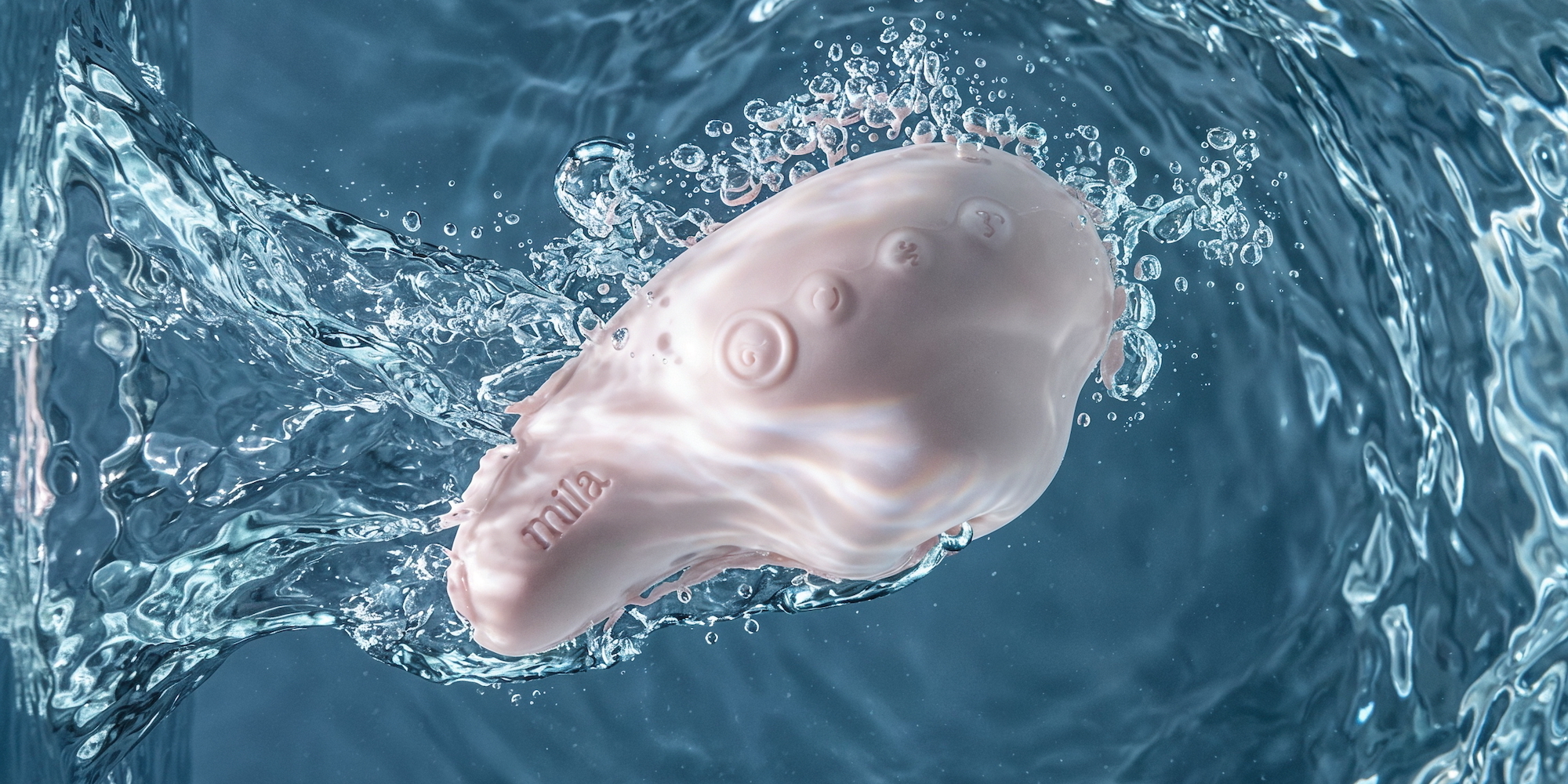

Mila has officially launched with $2.5 million in funding to reimagine sexual and intimate wellness as an everyday category rather than an occasional purchase.
Besting an initial $1 million target, the oversubscribed seed round was led by Mensch VC and Sticker Ventures. According to the brand, which began selling direct-to-consumer in November, it also featured participation from operators and investors from Goop, Glossier, Bumble, Kosas and Tinder.
In a funding landscape fixated on artificial intelligence and largely cool on sexual wellness following a period of intense investor interest in 2020 and 2021, when investment in the category topped $1 billion, investor enthusiasm for Mila stands out as a notable exception. Startups like Maude, Joylux and Hello Cake attracted significant capital during the category’s recent investment peak, but a limited pool of potential acquirers and pullbacks by retailers such as Sephora have diminished investor appetite.
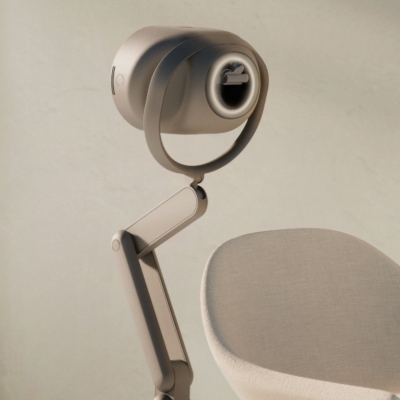
At the heart of Mila’s offering is Aura, a $135 patent-pending vibrator co-designed with former Dyson engineer Shawna Owen. The four-in-one device integrates orbital massaging, heat, vibration and suction, moving beyond traditional toy archetypes toward a more sophisticated wellness tool.
Mila co-founders Ada Trujillo and Kim Aviv emphasize that their goal is to support sexual health before, during and after sex, treating intimate care as a foundational element of consumers’ broader wellness rituals. Complementing Aura are K-Beauty-inspired intimate care products, from $34 Bloom water-based gliding mists in scents like wild peony and honeydew melon to $25 Bare collagen wipes, all intended to make sexual self-care feel as natural as any other wellness or beauty practice.

Mila will use its new capital to expand its product roadmap, including research and development for treatments taking a wide view of sexual wellness. “We’re not just a sex toy brand,” says Aviv. “We’re building our own intimate health category.”
Boaz Shedletsky, principal at Mensch VC, says, “It is rare to encounter a company with the potential to influence not only its industry, but culture more broadly. Mila’s vision of reshaping the conversation around female sexuality, transforming it from a taboo subject into an essential component of wellness and modern lifestyle, is both bold and deeply important.”
He adds that Trujillo and Aviv’s conviction was just as important to his investment decision as the size of the market opportunity. Despite investor caution, the business opportunity remains significant. Market research firm SNS Insider projects the global sexual wellness market will grow from $30.2 billion in 2025 to $68.6 billion by 2035, representing a compound annual growth rate of 8.56%. Sex toys and devices are forecast to be the market’s fastest-growing segment, increasing at a 10.8% compound annual growth rate through 2035.
“Kim and Ada are exceptional founders with a proven ability to build, scale and execute at an extraordinary pace,” says Shedletsky. “Combined with the remarkable traction Mila has generated from day one, they have built a company that is uniquely positioned to define an entirely new category. From our first conversations with Kim and Ada, it was clear they possessed the rare combination of vision, execution and category insight required to build a generational company.”
Historically, intimate wellness products were relegated to the fringes of retail, hidden on pharmacies’ bottom shelves or sold in niche adult stores. In the past few years, however, the category has moved into the mainstream. Although some retailers have retreated, several ranging from mass-market giants like Target and Walmart to specialty beauty chains such as Ulta Beauty are dedicating shelf space to sexual wellness and intimate care products. Mila’s arrival is another bid to push the category mainstream, with the co-founders positioning sexual and intimate wellness as an essential component of modern life.