
Former Amazon Aggregator Olsam Group Acquires Wrinkles Schminkles As It Rebrands Into Avenir Collective


Olsam Group has acquired Australian skincare brand Wrinkles Schminkles as it rebrands into Avenir Collective, a dedicated beauty and personal care platform pivoting from its roots as an Amazon aggregator.
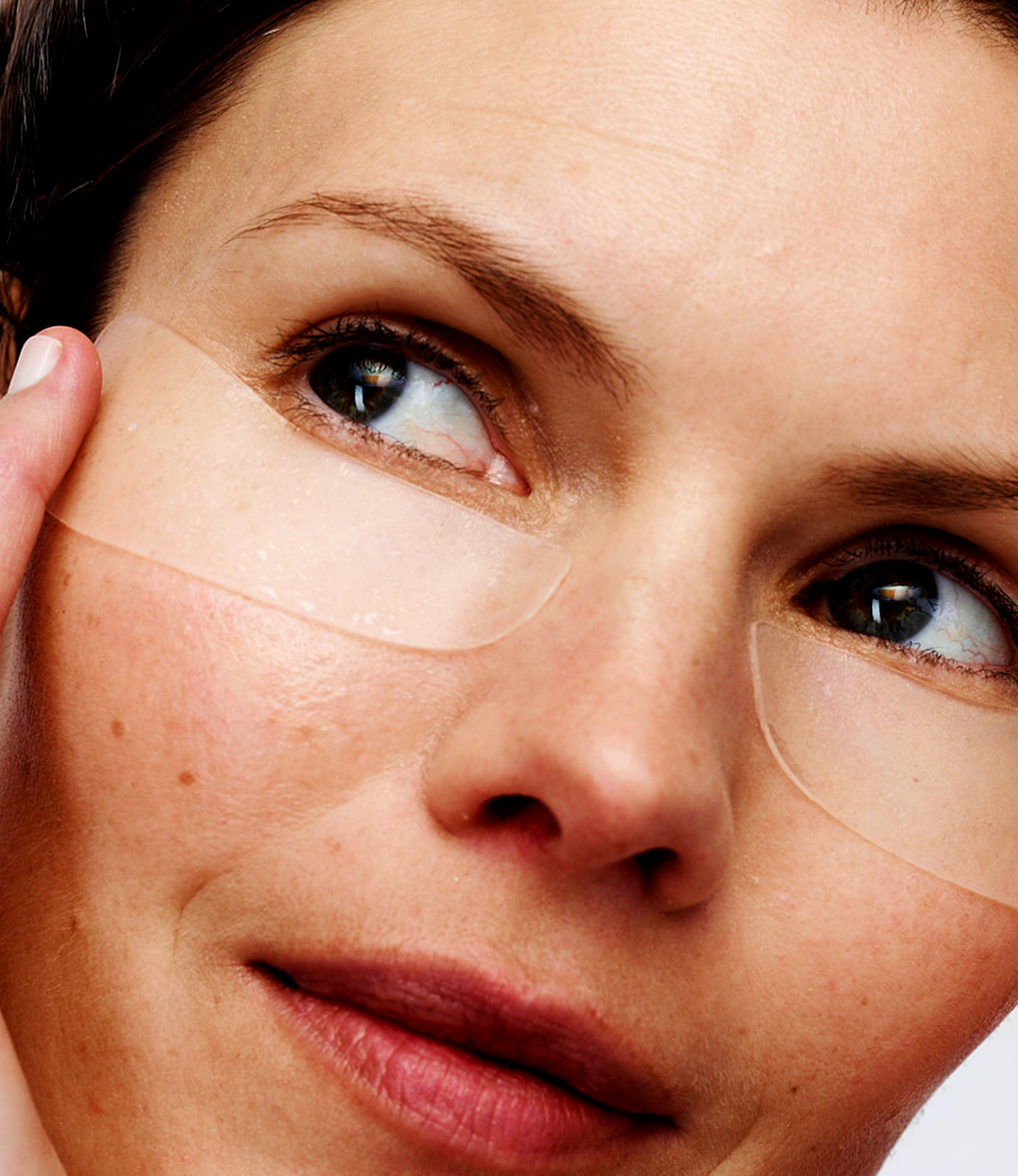
Terms of the deal weren’t disclosed. Distributed in 22 countries around the world, Wrinkles Schminkles has carved out a leadership position in reusable, medical-grade silicone patches designed to smooth and hydrate skin overnight, with roughly 20 products priced from $15 to $60 targeting the mouth, neck, chest, forehead and eyes. The previously bootstrapped business has profitably generated roughly 20 million Australian dollars or nearly $14 million in annual sales. Wrinkles Schminkles founder and CEO Gabrielle Requena, who had been at the helm of the brand since its launch in 2014, has exited the company.
“We’ve developed a real infrastructure to acquire brands and grow them,” says Avenir CEO Ben Poynter. “Avenir is really about marrying that expertise with a desire to focus on a sector where your relationship with the customer really matters. Beauty and personal care is something we love because you build an emotional relationship and an enduring relationship with that customer.”
In late 2024, Wrinkles Schminkles tapped Ankura to find a strategic partner, and several suitors came calling, but Requena determined Avenir’s emphasis on founder-led brands was the right fit for the brand. “When I met Ben, his vision for what is now Avenir Collective was very aligned with what Wrinkles Schminkles needed in its next chapter,” she says. “They were building the people, the infrastructure and the capital base to acquire brands and genuinely grow them.”
For Avenir, which means “future” in French, Wrinkles Schminkles is more than just an acquisition. It’s the blueprint for the type of founder-created companies it intends to acquire as it transitions into a house of brands centered on efficacy, problem-solving and international expansion. Over the next several years, Avenir expects to add another three to five brands to its portfolio. It’s scouting brands with between $15 million and $20 million in annual revenue addressing persistent consumer issues like unwanted hair, skin concerns and odor management.
“We’re not looking for TikTok Shop sensations unless they’re enduring,” says Poynter. “We want products that people come back to because they genuinely work.”

Founded in 2020, London-based Olsam quickly became one of Europe’s largest Amazon marketplace aggregators, drawing $165 million in equity and debt financing in 2021 to acquire and scale primarily Amazon-native brands. At the height of the aggregator boom, when the sector attracted an estimated $16 billion in investment, Olsam expanded its portfolio by acquiring peers such as Marketfleet and Dwarfs.
When market conditions shifted, bringing slower growth, rising e-commerce costs and mounting pressure across the aggregator landscape, Olsam navigated the downturn through a comprehensive restructuring, supported by NorthWall Capital. That evolution culminated in the launch of Avenir, marking its pivot beyond the traditional aggregator model and positioning the business for its next phase of growth.
With operations spanning the U.K., Europe, the United States and Australia, Avenir has been assembling a leadership team with expertise across mergers and acquisitions, consumer products, brand strategy and international expansion to support its new vision. A key addition is Lauren Myers, who recently assumed the role of chief brand officer at Avenir following stints at Grown Alchemist, where she served as CMO, Walgreens Boots Alliance and Unilever.
“What excites me here is the opportunity to build disruptive brands driven by efficacy,” says Myers. “So many founders get to a point where they’ve maybe overtraded the brand, particularly on DTC and don’t know how to take that next leap. That’s the part I love.”
The patch and adjacent face tape category Wrinkles Schminkles sits in is rapidly shifting, thanks in part to TikTok. What began with legacy formats like Frownies has expanded into a wide spectrum of offerings that range from silicone patches to ingredient-driven microneedle and hydrogel formats from emerging and established brands like Peace Out Skincare and RoC. Peach & Lily co-founder Cindy Kim has launched a wrinkle patch brand Morrow Beauty on Amazon, and face patch brand SiO Beauty sold to Rhodium last year.
On top of its direct-to-consumer distribution in Australia, the U.S. and the U.K., Wrinkles Schminkles has gone into retailers like Priceline in Australia and Meijer and Ulta Beauty in the U.S. At Ulta, it’s available through the invite-only marketplace. In 2022, a single viral TikTok moment drove more than $11.4 million in sales for the brand after Shannon O’Brien, owner of Abundance Naturally, a Canadian distributor of beauty brands, including Wrinkles Schminkles, removed its Forehead Wrinkle Patch from her forehead to reveal line-free skin.
Avenir plans to extend Wrinkles Schminkles’ retail footprint in the U.S. while heightening its presence in Europe and the U.K. A refresh is on the table, too, as are assortment extensions and awareness efforts. “We can unlock that future growth,” says Poynter. “We can give retailers confidence there’s a robust company behind the brand. We saw a great product first and foremost and then an opportunity to build on everything Gabrielle had already created.”
For Requena, exiting Wrinkles Schminkles marks the culmination of a carefully orchestrated strategy that began nearly three years before the transaction closed earlier in the spring. In 2023, after almost a decade running Wrinkles Schminkles, she conducted her own internal diligence on the business to identify weaknesses across branding, operations, leadership and long-term growth planning, before putting the brand up for sale. The brand went through a rebrand, expanded its retail roadmap, strengthened its management team and mapped out product development with the goal of making itself more attractive to potential buyers.
Requena, who has transitioned to consulting brands and executives, argues that one of the biggest misconceptions entrepreneurs have is assuming strong revenue alone makes a business attractive to buyers. She also cautions founders against underestimating the time required to complete a successful transaction, estimating it can take about three years.
“I work with founders now who think because they’ve built a good revenue number they’ve built something that’s sellable. Then, you start scratching beneath the surface and you realize the founder is still holding everything together. If you take them out, the whole thing unravels,” says Requena. “It’s one year to prepare, one year to sell and one year to support the handover and exit. That’s something I don’t think enough founders appreciate.”
Click here to secure Early Bird tickets to Dealmaker Summit running Nov. 9 to 10 in London.


Leave a Reply
You must be logged in to post a comment.