

Kiuda Group, an investment firm focused on beauty and wellness companies, has made its first acquisition by taking a majority stake in logistics provider CGETC as it seeks to build a one-stop infrastructure platform for K-Beauty brands expanding into the United States.
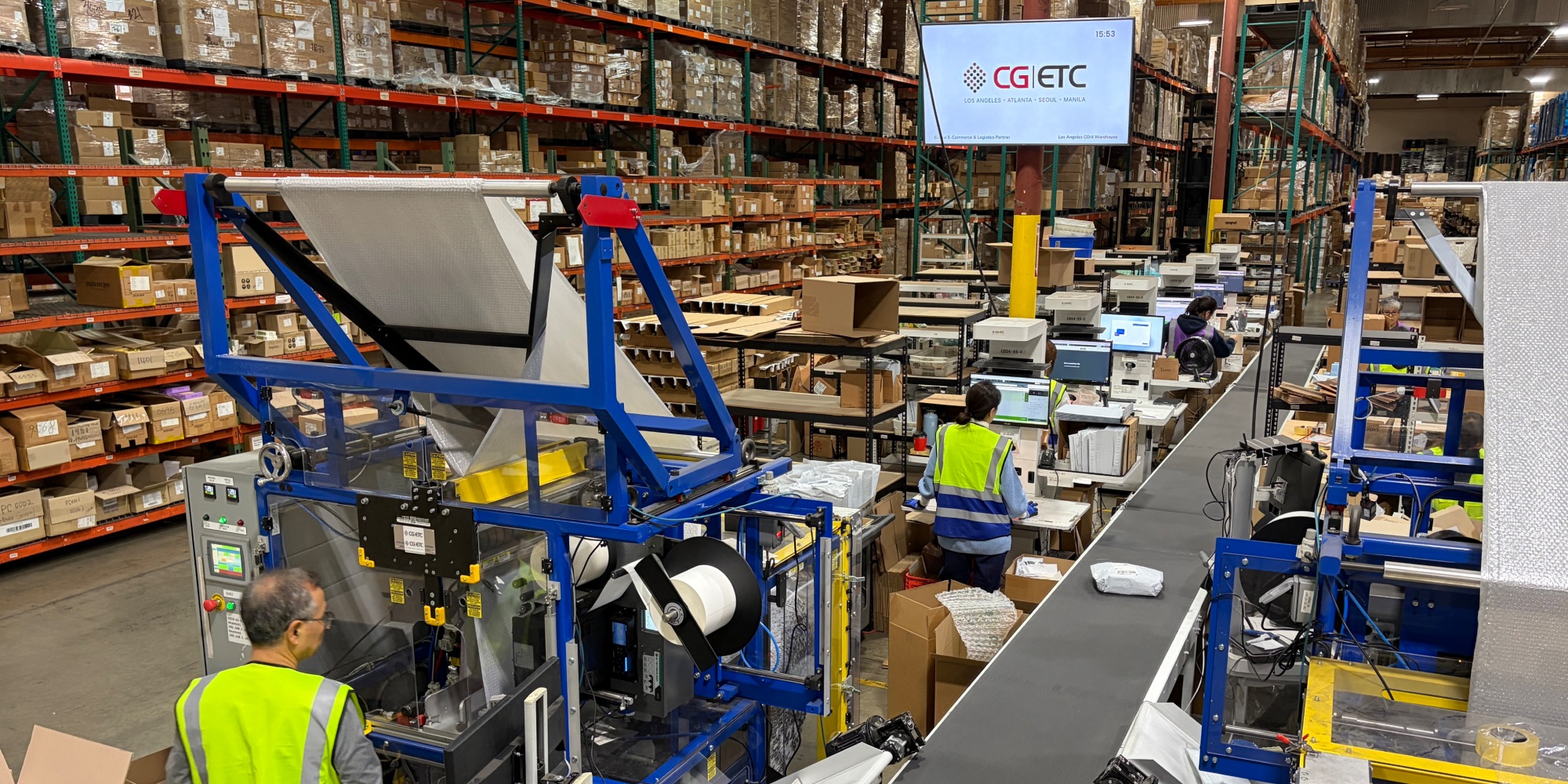
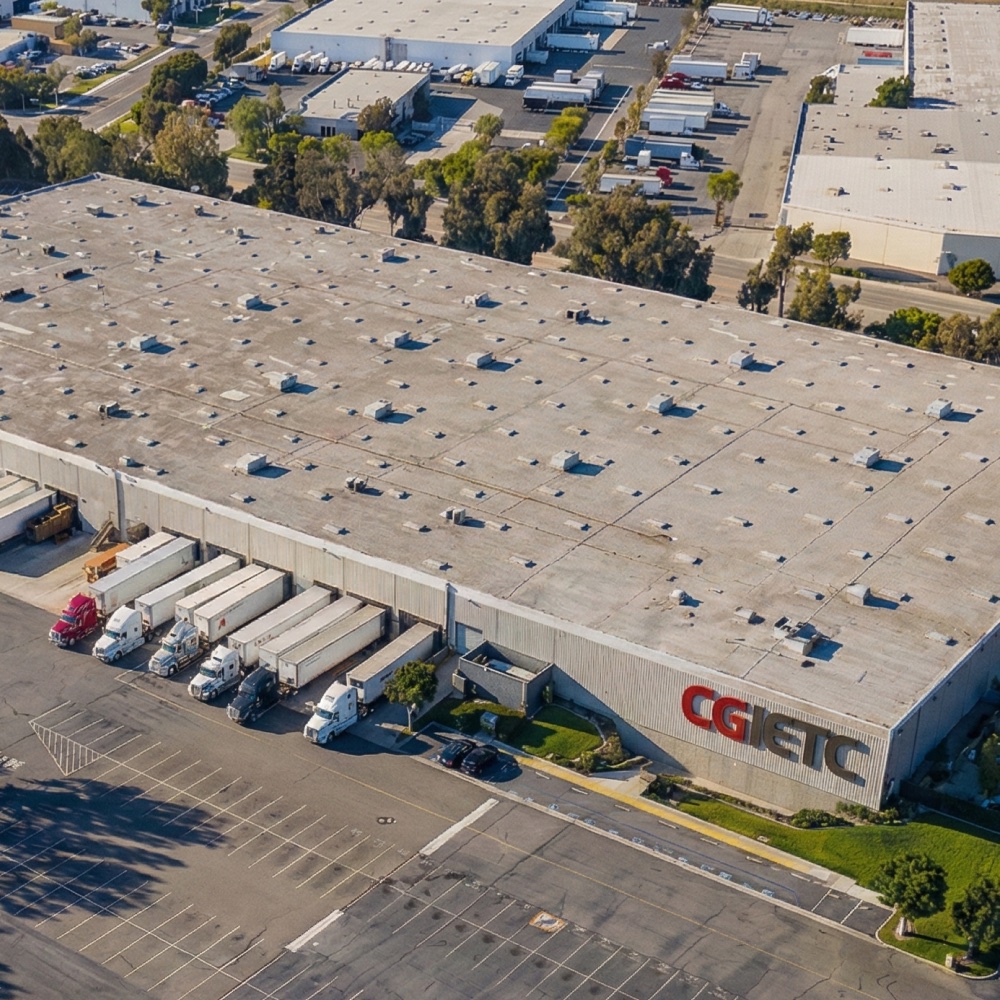
Terms of the deal weren’t disclosed. David Byun, who founded CGETC in 2003, will remain president. Keunyoung (Ky) Ma, founder and CEO of Kiuda, has assumed the CEO role. CGETC arranges international freight, customs clearance, warehousing and fulfillment for Korean brands selling in the U.S. The City of Industry, Calif.-based company operates three warehouses in Southern California and another in Atlanta, with plans to open a facility in South Korea later this year.
Amid K-Beauty’s continued strength in the U.S.—NielsenIQ estimates K-Beauty sales in the U.S. reached $2.4 billion in the 52 weeks ended Jan. 24, 2026, up 46.7% year over year—CGETC grew 75% last year and is expected to at least match that growth this year, according to Ma, who says the company currently has close to 350 clients. CGETC’s website states that it has served more than 800 companies, including leading South Korean brands such as Purito, Amorepacific, Torriden and Mediheal, with products distributed through retailers like Walmart, Amazon, TikTok Shop, Walgreens and Costco.
Ma believes K-Beauty’s surge in the U.S. has fueled demand for more integrated support services for brands entering the market and views CGETC as the foundation of an integrated value chain. “The growth in K-Beauty was creating demand for an integrated cross-border infrastructure,” she says. “Right now, there’s a lot of these disparate point solution providers.”
CGETC’s services span freight, customs clearance, warehousing, fulfillment, e-commerce operations and regulatory compliance. Ma envisions broadening the company’s capabilities to enhance forecasting, trend analysis, inventory planning and localized marketing while deepening compliance support, with future acquisitions and partnerships helping build out those offerings. In many cases, CGETC already acts as an informal advisor to clients, assisting them in anticipating demand shifts and planning inventory based on what the company is seeing across retailers and sales channels.
“Being able to show aggregate trends that we have access to that I think not just our customers but even our retail partners should be interested in,” says Ma. “What’s really lasting, what’s not? How can we better prepare our customers for next year?”
Ma argues CGETC’s expertise is transforming what is typically a commoditized segment of the logistics industry into a specialty operation commanding higher profits. She figures logistics businesses often have profit margins under 10%, but CGETC’s exceeds that.
“We are playing in the more specialized space, which is exciting, and there’s even more improvements we can make there,” says Ma. “We’ve been really fortunate to be able to find product-market fit, where we know the customers really well, and we know their customers really well.”
Ma frequently gets asked about whether K-Beauty’s popularity is merely a fad that will eventually fade. Acknowledging the popularity of specific products or ingredients could wane, she’s bullish on K-Beauty’s enduring relevance, highlighting South Korea’s entrenched position as a global manufacturing hub.
“The growth in K-Beauty was creating demand for an integrated cross-border infrastructure.”
Ma maintains South Korea’s imprint is evident in products that have become so mainstream consumers no longer associate them with the country. She cites sheet masks and pimple patches as examples.
“No one is thinking Korean, it just is pimple patches,” she says. “Now you can just get them anywhere. It’s culturally agnostic and I think we’re going to see more and more of that mainstreaming happen as your Sephoras of the world start to really cement their K-Beauty section or their bet in that category.”
Ma’s approach to investing in and operating businesses is informed by her upbringing. From the South Korean port city of Masan, she moved to Tallahassee, Fla., at age 10, an experience that made her adept at bridging American and Korean cultures. Before launching Kiuda, she was exposed to the venture capital model emphasizing rapid growth and relatively short investment horizons as a student at the Stanford Graduate School of Business, but concluded it wasn’t the right fit for her firm.
Instead, Ma describes Kiuda as an “evergreen fund” with a long-term approach to backing businesses. Although Kiuda declined to disclose how much capital it has raised, she notes that it is backed by entrepreneurs and high-net-worth individuals and retains ample capacity to pursue additional deals following its acquisition of CGETC.
She says, “We have a flexible, patient base of capital partners and operators around us that understand how hard it is to run businesses and that good things take time to build.”
Click here to secure Early Bird tickets to Dealmaker Summit running Nov. 9 to 10 in London.





Leave a Reply
You must be logged in to post a comment.