
Despite a pandemic that fractured global supply chains and American trade policies that pushed tariffs to new heights, indie beauty’s supply chain has remained surprisingly unchanged on first impression, with upstart brands in the United States still primarily sourcing packaging from China and filling their products domestically.
But a deeper examination reveals a complicated picture of higher costs, margin compression and a weary consumer resistant to paying more to maintain their beauty routine. The Iran war is, so far, following a similar pattern of ripple effects in the beauty industry, preserving the structure of the supply chain while potentially compounding cost pressures on brands and consumers already under strain.
“The risk is very real and likely building beneath the surface,” says Allison Kent-Gunn Garibay, founder of packaging consultancy 3E Beauty Consulting.
The beauty industry is facing rising business risks as indie brands have dealt with tens of thousands to hundreds of thousands in higher tariff costs. The cost increases have been partially passed on to consumers, but unevenly between conglomerate and smaller players, with the latter absorbing costs to a greater extent. According to NielsenIQ, in the 52 weeks ended Nov. 1, 2025, average unit prices in facial skincare rose .7% to $10.14 for conglomerate-owned brands and they fell 9% to $6.22 for indie brands.
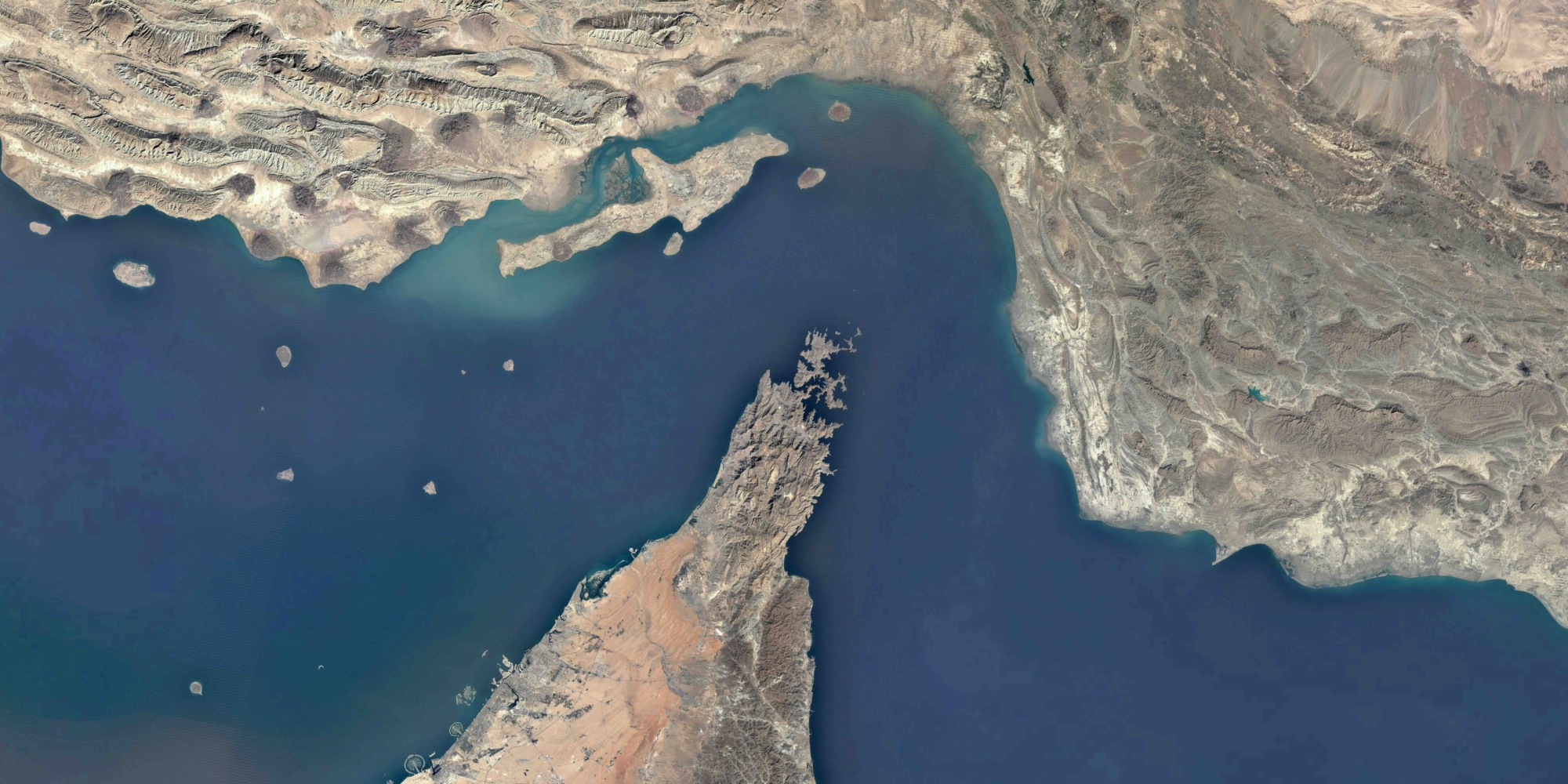
Now in its fourth week, the Iran conflict has reverberated worldwide. Severe disruptions in the Strait of Hormuz, one of the world’s most critical energy chokepoints through which roughly 20% of global oil flows, along with broader economic volatility, have sent oil prices soaring. In the U.S., gas prices have risen more than 30% since the war began, approaching $4 per gallon nationally.
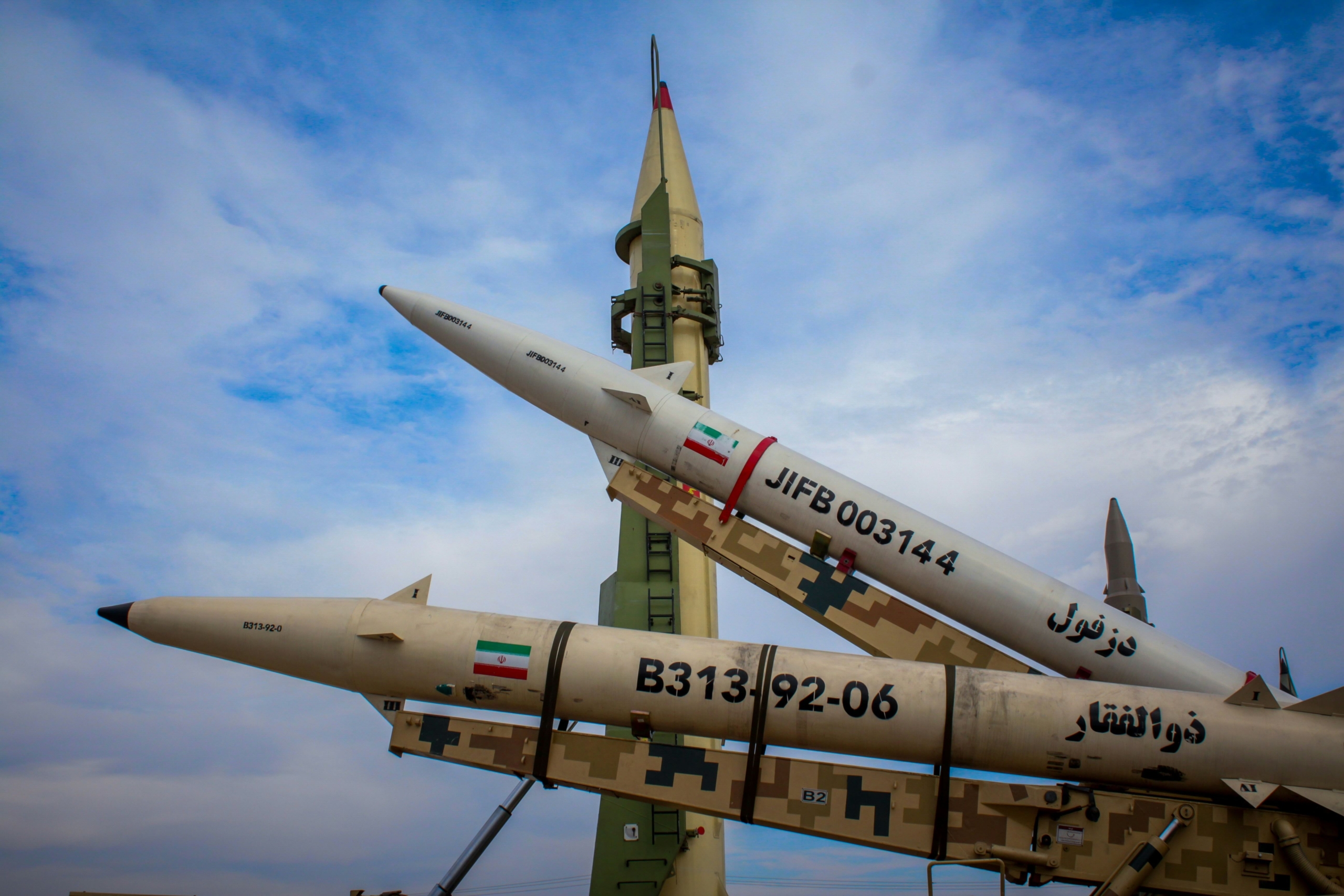
On Friday, President Donald Trump wrote on Truth Social that the U.S. was “getting close to meeting our objectives,” suggesting the conflict could be nearing an end, but the timeline remains highly uncertain. The military has asked for about $200 billion in funding to support ongoing and future operations, indicating the potential for a more prolonged engagement. If the conflict were to end today, experts forecast untangling its economic impacts would take months.
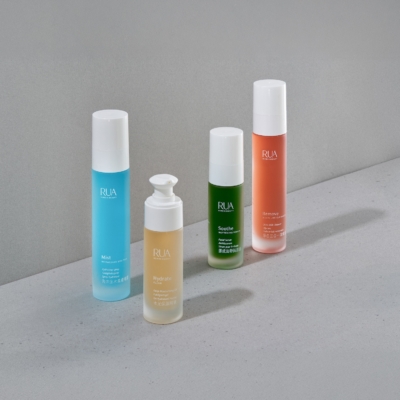
Signs of compounding pressures on the beauty industry are emerging, particularly in packaging. Last week, Brandon Frank, president of packaging supplier Pacific Packaging Components, noted plastic packaging prices increasing by as much as 30%, with average increases in the 3% to 8% range.
“We are doing our best to negotiate down and/or absorb these increases for our clients,” he says. “Lead times are growing and many manufacturers are concerned that supply may be limited and prices may increase even more.”
Marcel Lopez, founder of supply chain advisory PropelBeauty and operations partner for beauty and wellness investment firm True Beauty Ventures, has noticed polyethylene packaging prices jump 10% to 15%. He explains prices could climb further depending on how long the conflict persists amid concerns about supply constraints within China.
“There could be a shortage of oil in China over the next couple of months and what China could potentially do is try to reserve certain resins for domestic use and try to limit export. That could create a push to onshore packaging,” he says. “There are certain things that there might be an urgency to produce here in the U.S., especially HDPE [high-density polyethylene].”
As supply chains tighten, competitive behavior among buyers can amplify the effects. “Whenever supply chains are stressed, many businesses rush to secure product before their competition,” says Frank. “This ‘hoarding’ of resources exacerbates the spike in demand causing prices to increase and lead times to extend.”
For now, brands reliant on glass-heavy packaging haven’t seen the same degree of disruption. Kent-Gunn Garibay hasn’t detected dramatic changes yet for glass, but sees risks on the horizon. “The impact isn’t limited to plastics,” she says. “Materials like aluminum and glass are also very energy-intensive to produce, so increases in oil and energy costs can drive broader cost pressure across packaging, even for formats that aren’t oil-derived.”
“The risk is very real and likely building beneath the surface.”
Beyond materials, the conflict is beginning to complicate the movement of merchandise. Although the beauty industry is less exposed to Middle East transport chokepoints than some sectors, it isn’t fully insulated. Jiyuh Kim, founder and CEO of supply chain management service provider Hae CPG, has had shipments of textile components like pouches delayed for over a month with limited visibility into their trajectories.
“We’ve worked with freight partners to find alternative routes such as avoiding the region entirely, checking for direct lanes or getting creative by trucking goods to a different export point or leveraging small parcel for urgency,” she says. “We’ve also quoted routes with multiple partners and worked directly with suppliers and their freight options to dual path options so we have a backup if one path gets stuck.”
Securing backups and other supply chain strategies to respond to the Iran war mirror lessons from the pandemic era, but with added immediacy. On top of developing secondary supply options, supply chain managers recommend placing orders 30 to 60 days earlier than usual and building flexibility into materials and production timelines.
“My recommendation for brands is to plan early and place orders 30 to 60 days before you normally would,” says Frank. “Evaluate all current projects in development and delay or extend any commitments with retailers or contract manufacturers. It’s going to be challenging to meet dates that were established month ago.”
As brands consider holiday, Frank continues that it’s important for them to “engage and connect with their customers with special gifts, kits, bundles, and VIP offerings. It will be the difference between winning and losing in 2026.”
Brands are exploring domestic sourcing for certain components to reduce exposure to geopolitical risk. Lopez says there are ample sources of large-sized polyethylene packaging in the U.S., including for shampoo bottles. However, he acknowledges switching can be difficult for brands that have custom components.
At the same time, brands must navigate difficult pricing decisions, determining how much of the mounting cost burden they can absorb without eroding thinning margins. However, Kim says she doesn’t envision significant impact to holiday business unless the conflict escalates, “but brands with tighter inventory positions or rely on single suppliers/sources for components and finished goods in that region could feel some pressure.”


Leave a Reply
You must be logged in to post a comment.