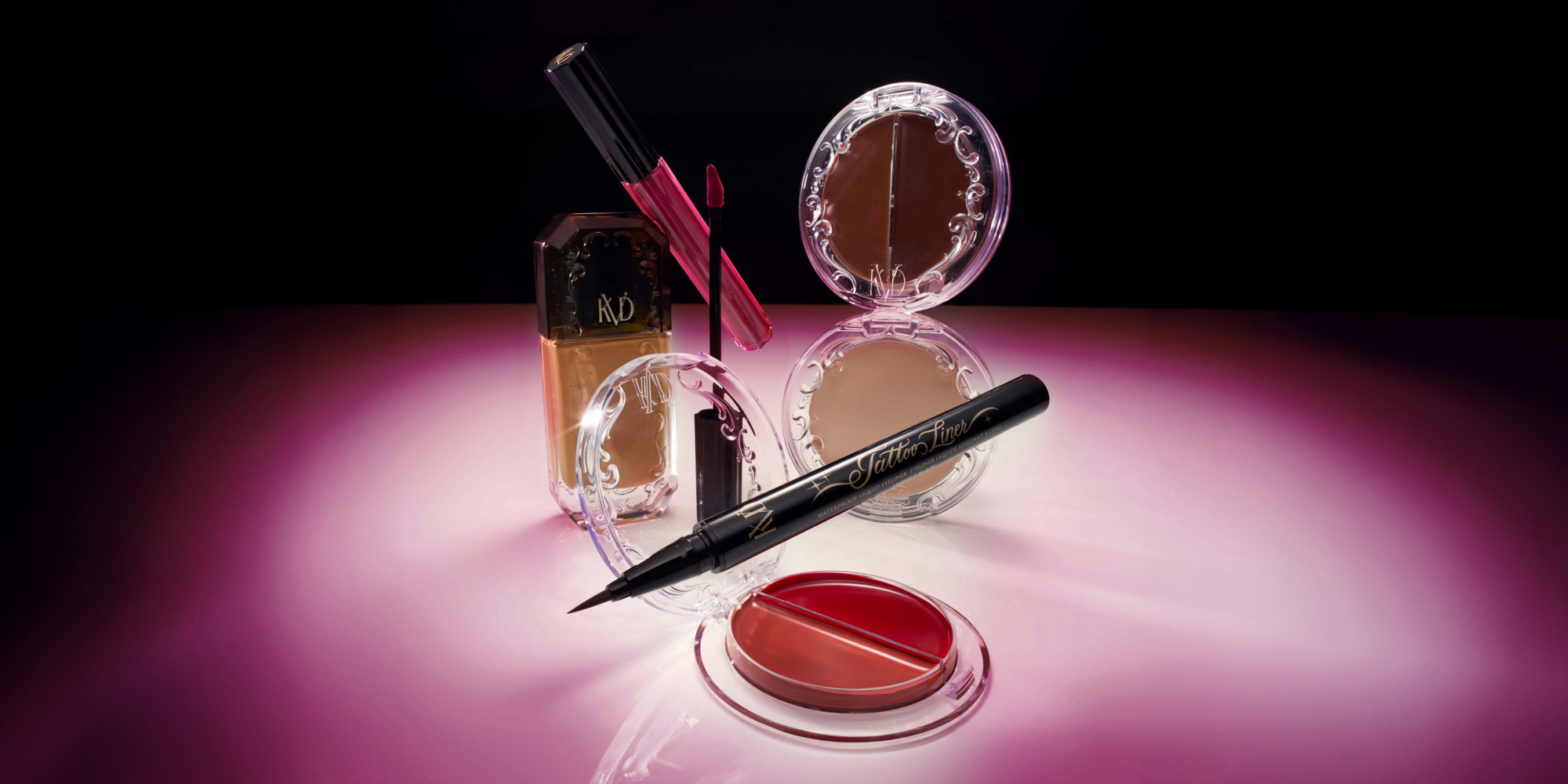


KVD Beauty, the brand originally called Kat Von D Beauty when its namesake tattoo artist partnered with LVMH Moët Hennessy Louis Vuitton-owned incubator Kendo to launch goth makeup in 2008, has been acquired by Windsong Global.
The deal marks Kendo’s first sale of a brand, although it’s retired others, including Bite Beauty, Formula X, Elizabeth and James, and Marc Jacobs Beauty. Windsong Global declined to disclose terms. Kendo didn’t respond to requests for comment.
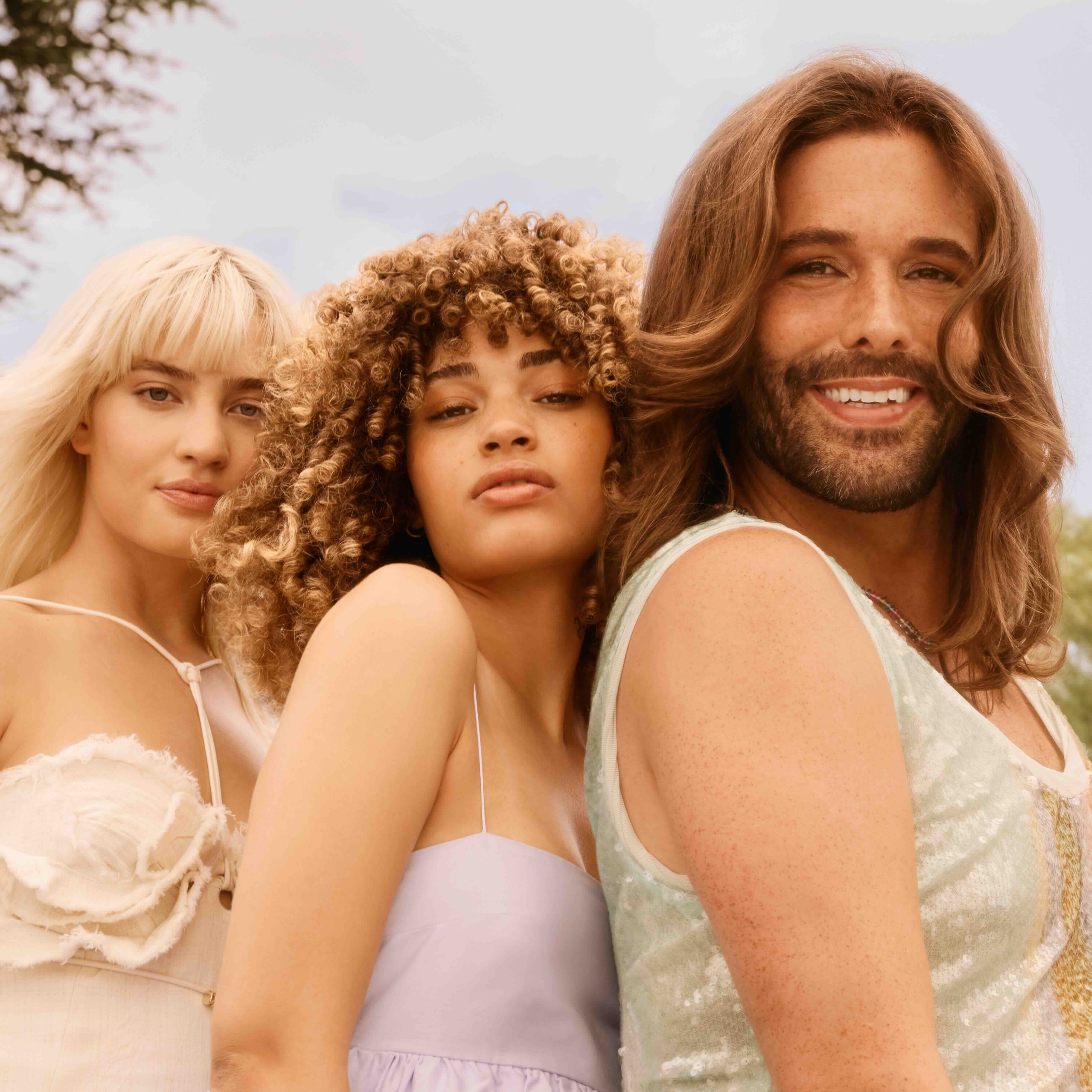
At Windsong, KVD is joining Belle Brands, a multi-brand beauty platform the private equity firm started last year with JVN Hair and Pipette, which were scooped up for $1.25 million and $1.75 million, respectively, in an auction after their former owner Amyris filed for bankruptcy. The platform is scouting brands to add to its brand stable, and William Sweedler, founder, chairman and CEO at Windsong, says it’s actively talking to three more for possible deals.
Sweedler isn’t afraid to take on brands that have sordid pasts or were sidelined by their ex-parent companies. The portfolio of Tengram Capital Partners, where he’s co-founder and managing partner, includes Lime Crime, the hair dye brand splashed with scandals, the most famous involving founder Xenia Vorotova, commonly known as Doe Deere, who’s long gone from the brand now, wearing a Hitler costume for Halloween.
KVD has both a rocky history and has been neglected in recent years. Kat Von D, born Katherine von Drachenberg, parted ways with Kat Von D Beauty and sold her shares in it to Kendo in 2020 following accusations of antisemitism and concerns over her anti-vaccine views. Kendo subsequently poured millions into two overhauls that saw the brand become KVD Vegan Beauty in 2021, with the KVD standing for kara, veritas and decora or value, truth and beauty.
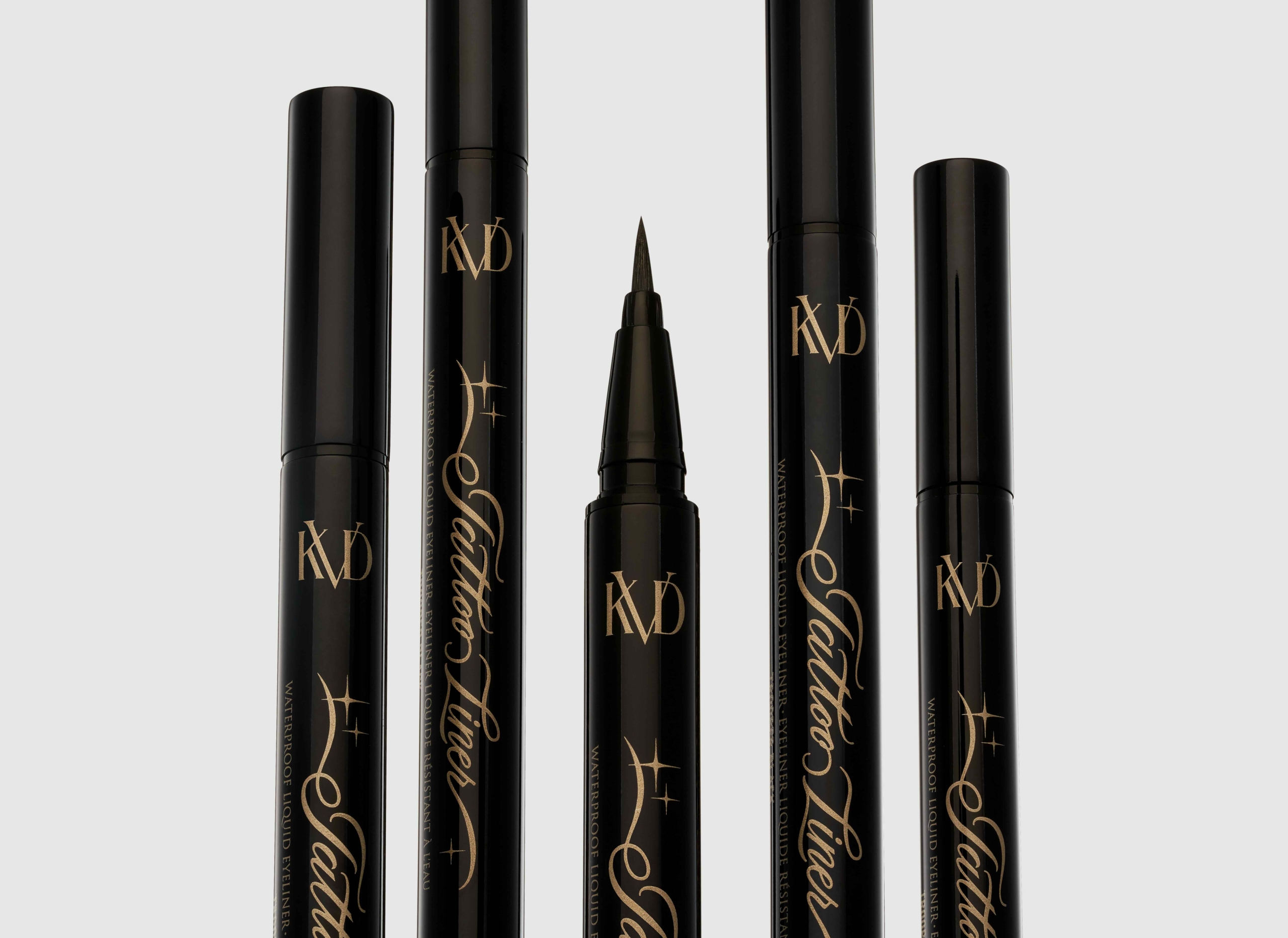
Kendo’s revamp of KVD slammed into a makeup trend cycle of minimalist, “clean girl” looks the brand wasn’t suited to with its high-performance, high-pigment products such as bestsellers $25 Tattoo Liner Waterproof Liquid Eyeliner and $23 Everlasting Hyperlight Transfer-Proof Liquid Lipstick. Under Kendo, KVD’s last product launch was Good Apple Lightweight Full-Coverage Concealer in 2022, and the company since dialed back marketing the brand. It once generated around $150 million in wholesale revenues, but the number is in the tens of millions today.
“Next year will be the year of the eye.”
In KVD’s comatose state, Windsong spotted signs of life. The brand maintains a significant social media audience, with 6.7 million Instagram followers. It has a substantial retail footprint and is carried in Sephora and Ulta Beauty’s entire store fleets in the United States as well as JCPenney stores. And the makeup trend cycle that swung away from KVD’s strengths could be returning to them.
“I think next year will be the year of the eye. We’re predicting that. We thought KVD would be really great to lean into that moment,” says Teresa Lo, the global president of Belle Brands who worked at Sephora in marketing from 2012 to 2015 as Kat Von D Beauty was hitting its stride. “We know it’s been lip for the last few years. You’ve got lots of brands leaning into lip gloss, balms, all of that. We see a trend back into bold artistry.”
Belle Brands is embarking on another KVD rebrand scheduled to be unveiled by the second quarter next year and is bringing on a creative director to help the brand find its footing again. The company is in the process of dramatically reducing KVD’s roster of stockkeeping units from 300-plus to 50, focusing heavily on the eye and lip product categories that have been sustaining the business. Tattoo Liner Waterproof Liquid Eyeliner is responsible for the bulk of its present sales.
“When we think about the consumer, the 7 million OG followers that were our lovers of the brand, they’ve grown up. They’re not 20 years old anymore. They’re my age,” says fortysomething Lo. “They may have families, they’ve tried a lot of new brands that have launched, their aesthetic has evolved and changed. They’ve matured. And so when we think about the evolution of the brand, one of the challenges was KVD did not evolve with that customer. The brand cannot just stay stagnant.”
She caveats, “We’re not here to change what we know is working. We know that that customer is passionate about vegan, cruelty-free, but they also want to make sure that the product works and lasts for a long time. The formulas that currently exist, we’re not here to change them. They’re beautiful.”
To date, KVD has steered clear of Amazon, and Belle Brands has put it on the brand’s distribution roadmap. Already having reignited KVD’s Instagram account that had been languishing, TikTok is next on KVD’s social media march. The brand plans to partner with professional makeup artists to produce content highlighting its artistry and makeup authority.
“We’re not here to change what we know is working.”
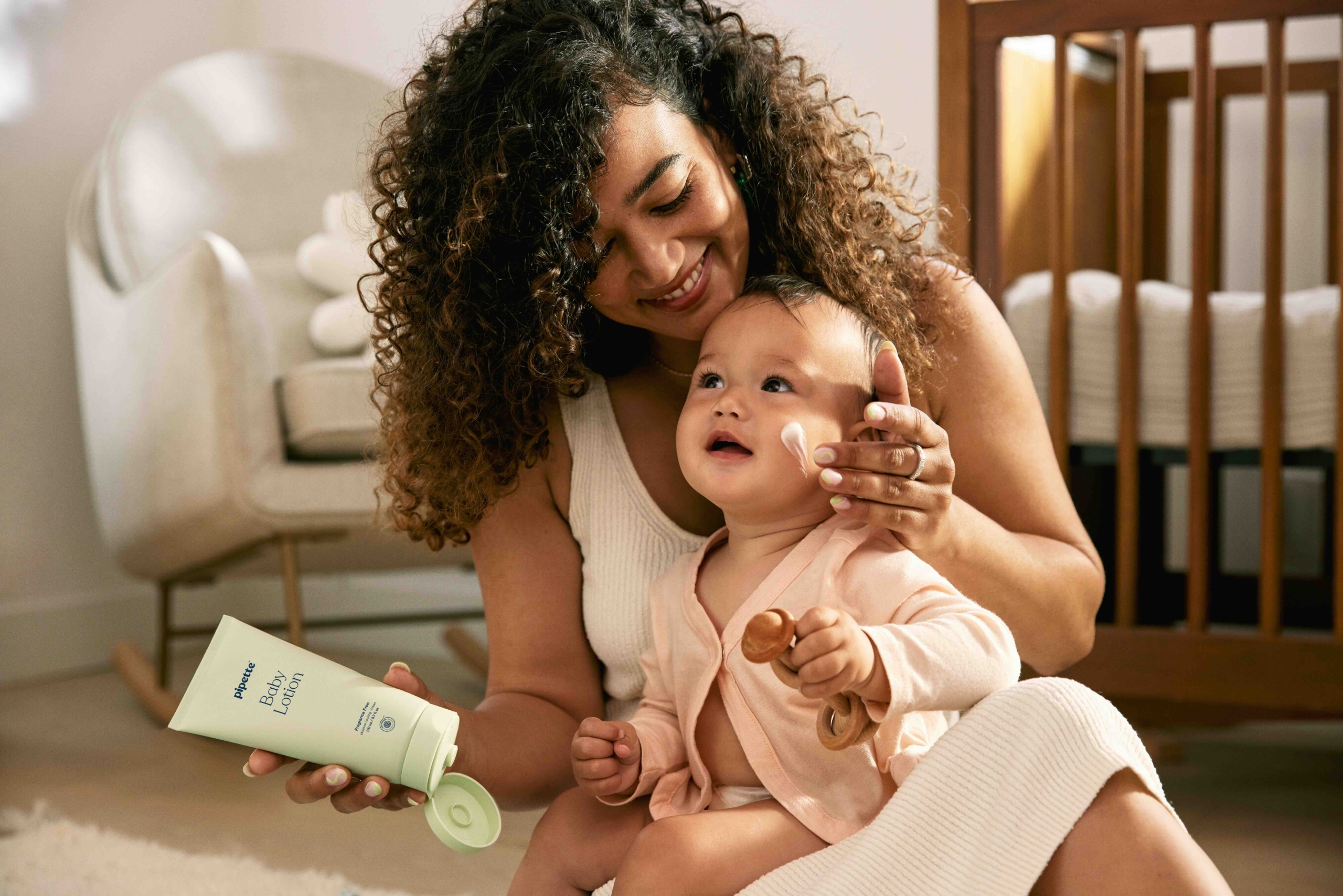
While reviving KVD will be a challenge, Belle Brands is encouraged by the traction of JVN Hair and Pipette. Sales of Pipette, a clean skincare and body care family brand that’s akin to Johnson & Johnson for millennial parents and available at Target, Walmart, CVS, Walgreens and Amazon, have shot up 135% and are north of $50 million at wholesale. In July, Lo told the publication Glossy that JVN registered a 10X sales increase across its channels. The same month, it branched out from Sephora to about 700 Ulta Beauty stores, and Belle Brands has been amplifying it on TikTok Shop.
For future Belle Brands assets, Lo and Sweedler say they’re zeroing in on masstige and prestige brands not in particular beauty categories. They’re interested in loyal, engaged communities and the potential to fire up direct-to-consumer and Amazon sales. A retail presence is a plus as Belle Brands’ team of under 20 people has deep expertise in retail distribution. Sales-wise, Sweedler pegs $25 million as the sweet spot for acquisitions to fold into Belle Brands, but wouldn’t rule out higher volume targets.
In the beauty industry, Sweedler says, “We have had dozens upon dozens of brands that have either been shut down, sold off, divested or spun back out to founders. Brands that were expected to go from a $100 million to $500 million actually went from a $100 million to $130 million and then back down to $70 million or $60 million have large followings of consumers that are very passionate about their products. We love finding opportunities like that.”
Many beauty investors are sour on multi-brand platforms, thinking they divide resources and attention and are unlikely to be purchased by a big strategic buyer accustomed to doing single brand deals. Sweedler doesn’t share their distaste for stringing together brands, and he’s had success with the model. Last year, Tengram sold HRB Brands, a compendium of the mass brands Alberto VO5, Zest, Coast, Brut, Pert, Sure, Rave, Thicker Fuller Hair, LA Looks, Zero Frizz and White Rain, to Italian beauty and personal care company Sodalis Group.
With a multi-brand platform, Sweedler points out Windsong isn’t vulnerable to the risk of a single brand tanking, and he believes there’s a sufficient pool of buyers open to multi-brand platform transactions. They may not be what he classifies as tier one companies—those at $5 billion in revenues or above—but he’s happy to find a tier two buyer. Tier two companies are in the $1 billion to $5 billion range.
“We may decide to sell one brand, but the platform as a whole we think is a safer, more effective way to grow,” says Sweedler. “Ultimately, if a tier two that’s outside of the United States wants to enter in a safe way without making a systemic risk bet to their business if it doesn’t work, they have the diversification, they have the team, and it allows them to enter the U.S. market and have a position of material size day one.”
Click here to learn more about Dealmaker Summit happening June 8 & 9 in New York.

Leave a Reply
You must be logged in to post a comment.