


The emerging beauty landscape looks radically different from a decade ago.
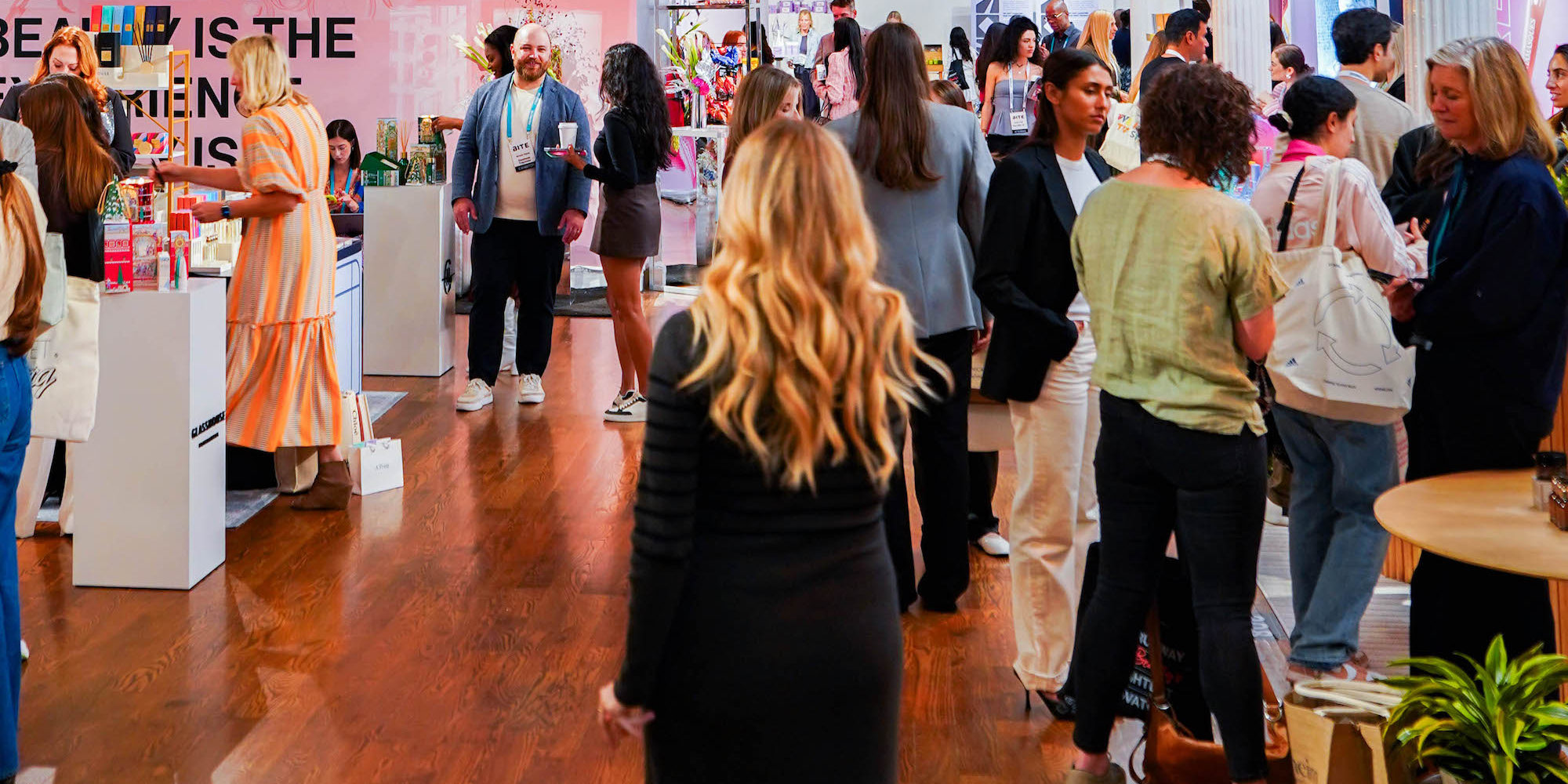
In 2015, when Beauty Independent parent company Indie Beauty Media Group held the first-ever Indie Beauty Expo in New York City, 83 independent beauty and wellness brands filled the trade show floor. Ten years and one world-changing pandemic later, Indie Beauty Media Group returned to New York City on Sept. 10 to showcase 80 emerging brands at the Metropolitan Pavilion for BITE, its evolved trade show-cum-conference.
From IBE to BITE, the profile of a beauty entrepreneur, funding directed at the beauty industry, the social media picture (hello TikTok!) and distribution channels have been transformed. E-commerce accounted for roughly 6% of beauty purchases in 2015 versus almost half of them now. Today’s brand founder is more likely to be an ex-L’Oréal or Procter & Gamble executive than before, and launch budgets for a few prized brands have swelled with venture capital millions. Amid all this evolution, one thing remains constant: the grit, inventiveness and boundless optimism of the people bringing beauty brands to market.
Alongside dozens of investors and buyers from retailers including CVS Health, Bluemercury and Space NK, the Beauty Independent editorial team scoured the show floor at BITE for the most compelling trends shaping the industry. Here are 12 worth watching.
CharM OFFENSIVE
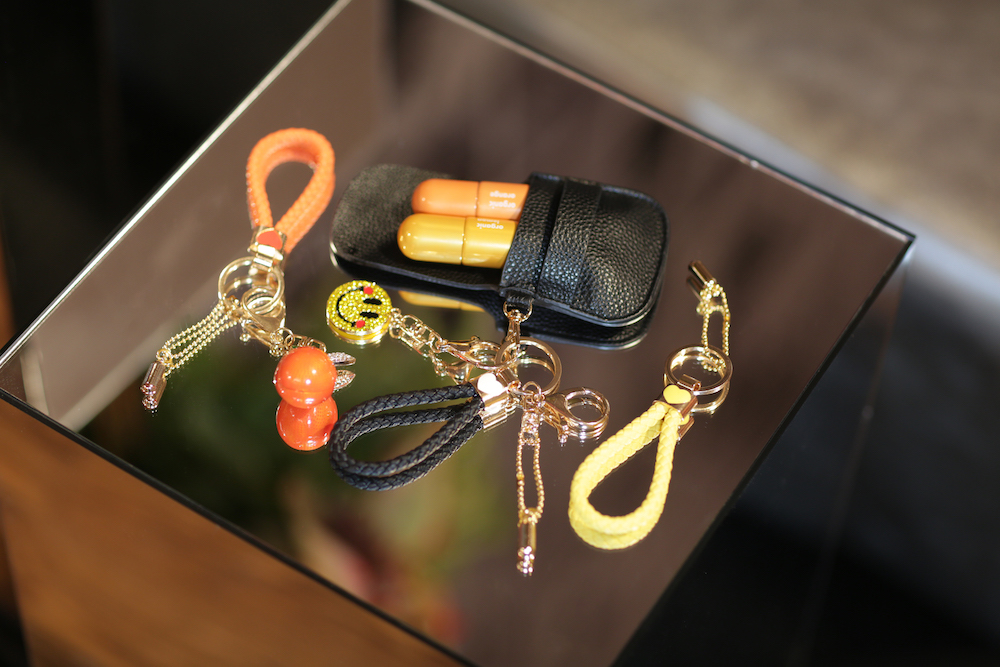
Brands as diverse as Bubble and Carolina Herrera have widened their customers’ beauty universe with charms, and BITE showed the trend isn’t stopping. ZVYK took inspiration from its signature pimple patches with its charm, and Auratherapy pulled from co-founder Laura McCann’s background in fashion and gen Z tastes for charms she describes as “colorful, expressive and literally ready-to-wear aromatherapy.” Customers can mix and match them depending on their mood.
“People love accessories that add personalization and self-expression,” she says. “We used to just buy a purse, now we buy accessories for our purse.”
Lip products have proven to be particularly accessorizable, the most notable being Hailey Bieber’s Rhode lip phone case that holds the brand’s Peptide Lips Treatments. Skincare brand Knemo released $12 Ribbon Keychains designed to carry its LipLock Jelly Serum to hop on the trend. Co-founder Gloria Park shares that the playful and functional keychains have driven a 20% increase in direct-to-consumer sales. She says, “Instead of letting your lip balm get lost inside your bag, Lockette lets you show it off on the outside.”
Rather than a fleeting trend, Park views the charm movement as a fundamental change in how young customers approach ownership, identity and brand loyalty. She anticipates upcoming collaborations between beauty brands and artists or toy designers. For Knemo, that might look like creating a “mascot ecosystem” where each product category gets its own character. Park says, “We believe doll-like accessories represent the future key to becoming iconic and memorable in the beauty space.”
Teen AND TWEEN Spirit
A once wide open gen alpha white space is quickly being filled by a flood of brands such as Evereden, Erly, Yes Day, TBH, JB Skrub, Indu, Miles and Sincerely Yours. Others like BITE exhibitors Your Skin Stuff and Fawn are also throwing hats into the ring.
Fawn was founded by dermatologist Ashley Magovern and her two teenage daughters Mary and Sammy. Fawn’s product lineup includes bestselling Clarity Cloud Cleanser and Acne Clearing Wipes along with Pore Shrink Mask and Spotless Peptide Serum priced from $24 to $34.
Treating teens and tweens in her practice, Magovern says, “I’ve seen firsthand what their skin truly needs and what actually works.” She’s also been privy to the rewards of helping young patients clear their skin and wanted to spread that experience to others.
Ellen Kavanagh Jones, aesthetician and founder of Waxperts, a waxing salon and brand in Dublin, began ideating Your Skin Stuff in 2011 when her tween stepdaughter started taking an interest in skincare. She noticed that social media made skincare aspirational for kids, but the options on the market were mostly either aligned with babies or adults.
Your Skin Stuff and Fawn launched in the last two years during the Sephora kid phenomenon. Jones has observed it pushing parents and retailers to look for products developed for teens and tweens. “The rise of Sephora kids shows the demand, but it also shows why safe, age-appropriate brands like ours are needed,” she says. “This new customer isn’t going anywhere, so let’s help them and teach and guide them.”
Doctor Distribution
There’s a reason why so many dermatologist-founded brands have been popping up: In a crowded market, customers are craving expertise. That’s a big reason why a number of BITE beauty brands are seeking distribution at derm offices, too.
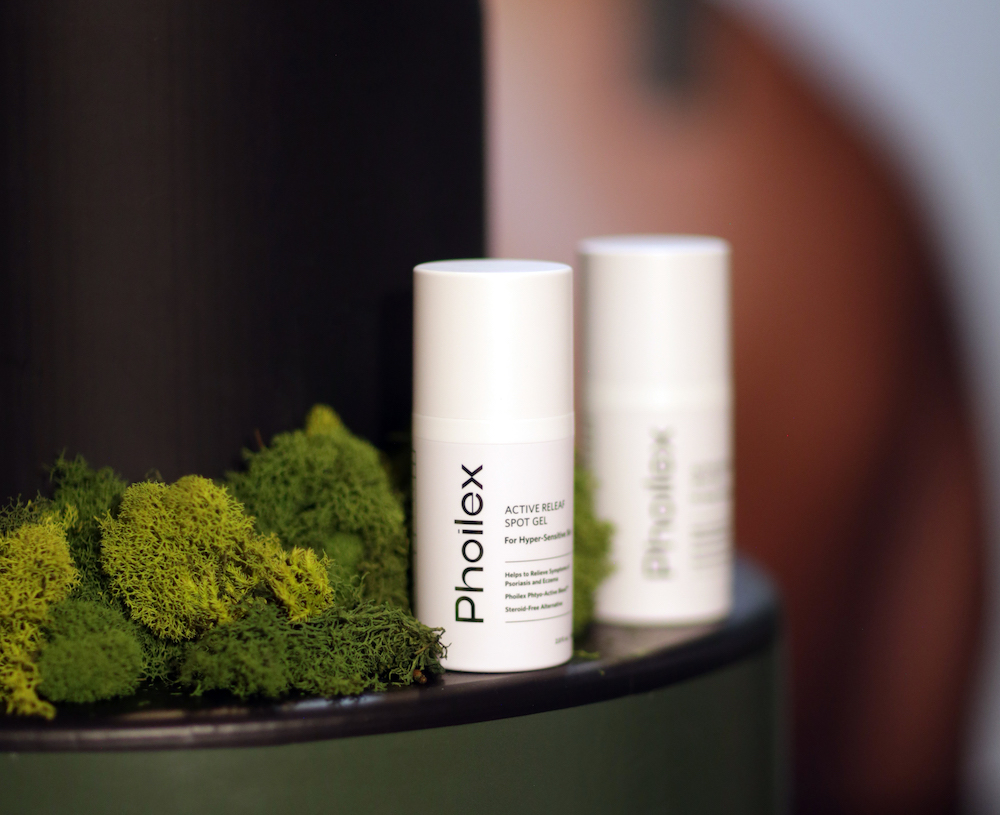
Phoilex, a brand specializing in botanical skincare for sensitive skin, has nabbed distribution at over 200 Schweiger Dermatology Group offices and has been recommended by over 300 clinicians, according to founder Sarina Pilaroscia. “Endorsement from dermatologists and clinicians gives us credibility and a level of trust that is essential for a brand focused on serious skin conditions,” she says. “When a dermatologist recommends a product, it carries a lot of weight with the patient. It validates our science-backed formulations and our commitment to efficacy.”
Derms can expand a brand’s reach while providing education for customers, notes Serra Levent, co-founder of adult acne brand Cool as a Cucumber, which has partnered with dermatologists and aestheticians after launching in DTC. “We get to reach customers who are already motivated to find real solutions,” she says. “They also give us the opportunity to educate, diving deeper into the science behind our approach and product for not only clear skin but lasting skin health.”
Cool as a Cucumber is securing professional distribution directly rather than via a distributor. Levent says, “While a distributor could scale faster, we prioritize quality, education and alignment with our mission over speed.”
Deodorant brand Surface Deep recently brought on a sales development executive to help build its distribution with dermatologists. “I believe that consumers trust us to guide them on how to take the very best care of their skin even more so than so called influencers,” says founder Alicia Zalka, a dermatologist herself. “Not that they do not have a voice, but once a consumer is introduced to skincare through someone they follow, I believe they still turn to—or should—their dermatologist for expertise and validation of the safety or usefulness of what is being recommended.”
Hair Tools
Dyson’s sales may be falling, but that doesn’t mean hair tools are fried. Instead, an array of brands are breaking into the hair tools category with innovation to pick up where Dyson left off. For example, Haiama Beauty, an eco-luxury haircare brand designed for Black, brown and multiethnic customers, launched electric scalp stimulator The Leona in July. Designed specifically for curly hair, it features red and blue light therapy, vibration technology and an integrated oil dispenser. The brand has sold over 500 units so far and its commonly purchased with its hair growth oil The Grow and Strengthen Elixir.
“The Leona supports women experiencing postpartum shedding alopecia, and menopausal hair thinning, while promoting overall hair growth,” says Haiama founder Allison Shimamoto. “It represents more than just a tool, it’s a confidence-restoring solution for women navigating major life transitions.”
Haircare brand Alfheim will soon be releasing an applicator for use with its Saw Palmetto Follicle Boost Scalp Serum. Founder Jiaming Zhang says of the tool, “Most people apply hair serums with a standard dropper, which often leads to nearly 80% of the formula ending up on the hair instead of the scalp. Our custom applicator not only ensures precise delivery directly to the scalp but also doubles as a gentle massager, minimizing waste and enhancing absorption.”
Hello Klean introduced its shower filter in 2019. Wash-off formulas and a Purifying Shower Head followed in 2021 and 2022, respectively. Based in the United Kingdom, where the water is particularly hard, chlorinated and mineral-heavy, its products counteract the impact on both hair and skin.
To date, the brand has sold over 700,000 products via DTC and an additional 250,000 through retail partners such as Sephora UK and Selfridges. Beyond sales, founder Karlee Oz points to customer loyalty. “Our filters need replacing every three to four months, which means people come back to us again and again, often adding our shampoos, conditioners and body care into their routines once they see the difference,” she says. “This repeat behavior has been one of the clearest signals that Hello Klean isn’t just a one-off purchase but a category people integrate into their lives.”
Shiny Happy Brands
Asked to summarize brands at BITE, CXT Investments founder Tina Henry Bou-Saba says, “There was a lot of color, whimsical design, playfulness and a real sense of joy.” Joy was definitely a through line. Perhaps in response to the turbulent times and a testament to beauty’s desire to lift consumers’ spirits, many BITE brands adopted a cheery disposition, starting with their brand and product names like bath and body care from Thanks! Naturals, sustainable self-tanner from The Kind Brand Company or a perfume literally called Happiness in a Bottle from The Heart Company.
Jennifer Yen, founder of Jooy, chose the name for the scalp and hair brand by combining her initials with the No. 8, the luckiest number in Chinese culture, symbolizing health, prosperity and infinite possibilities. “The word ‘joy’ has so many positive connotations,” she says. “It starts from within, with your mindset and energy.”
Certainly, #hopecore is needed every now and then. Since there’s not much to get from the news these days, beauty brands doing their part. Yen says, “Positivity, wellness, health, beauty and happiness are at the heart of everything we do. I believe joy is something we can all cultivate, through self-care, daily rituals and the mindset we choose every day.”
Mists WITH MORE MOJO
Mists were everywhere and for everyone at BITE, but they weren’t only your standard spray. They upped their mojo. The brands A’Prep, Fountains of Waters and NuTexture have new mists that preform more like serums that basic sprays. NuTexture’s collagen-, hyaluronic acid- and elastin-infused $35 Hydra Jello Mist dispenses in a fine mist, but lands on the skin as a lightweight gel. Its versatility allows it to be used at any point of in a consumer’s routine or day.
There are mist innovations for below the neck, too. Many people are looking for alternatives to traditional deodorants without specific ingredients or formats. Sprays like Surface Deep’s $19.50 Anti-Odorant Spray promise strong odor protection and skincare benefits in a lightweight mist. Its main ingredient is glycolic acid and it’s packed as well with a patented, dermatologist-developed blend of fruit based glycolic acids the probiotics lactobacillus, odor-neutralizing enzymes and calming aloe leaf juice.
Elevated intimate care range Plum Vagiceuticals created the micellar water-based Cleansing + Hydrating Mist to address a gap women’s intimate care. Founder Lisa Krady says, “Many traditional wipes and sprays can disrupt the microbiome, so we focused on developing something gentle, elegant and clinically backed to support and maintain the body’s natural microbiome. The 360-degree spray design lets it mist easily, even upside down, for a quick, refreshing reset anytime, anywhere.”
The Californication Of K-Beauty
K-Beauty products are adored for a host of reasons, one being advanced innovation spun out at record speed. Now, emerging brands are combining the best of South Korean innovation with California sensibilities.
Fountain of Waters launched in 2022 as a premium upcycled personal care brand. Its formulations originate in South Korea, where it takes advantage of research and development, but it works with agricultural byproducts from its native California. Founder Eunice Sue-Anne says, “Together, Korea and California embody our dual identity: Cutting-edge formulation and regenerative sourcing, building a circular economy that benefits farmers, the planet and consumers alike.”
Korean American skincare brand Knemo is similarly merging the two worlds of South Korea and California in its approach. South Korea facilitates breakthrough textures while California brings the “cultural pulse” through aesthetics and storytelling. Park explains, “Together, they form Knemo’s DNA: clinically powerful formulas wrapped in an effortless identity that feels just as at home in Seoul as it does in LA.”
She highlights Los Angeles specifically because the LA area is home to the largest population of Koreans outside Korea. Park says, “LA being home to much of the Korean diaspora, we’re also uniquely positioned to create a sense of belonging to show that home isn’t a place, but something you build.”
Recession Indicators
With no end in sight for economic rockiness the U.S. and much of the globe, brands are responding to the strain consumers are facing. In moments of financial stress, consumers give up pricy gel manicures, cancel lash extension appointments and spacing out filler sessions, for instance.
One of clinical skincare brand RoC Skincare’s buzziest launches is its $29.99 Derm Correxion Lip Volumizer. Developed with dermatologists and plastic surgeons, Derm Correxion Lip Volumizer is presented as a noninvasive alternative to in-office procedures. Clinical results showed that 90% of users saw fuller lips in three minutes. After four weeks, users experienced a 2X improvement in visible lip volume.
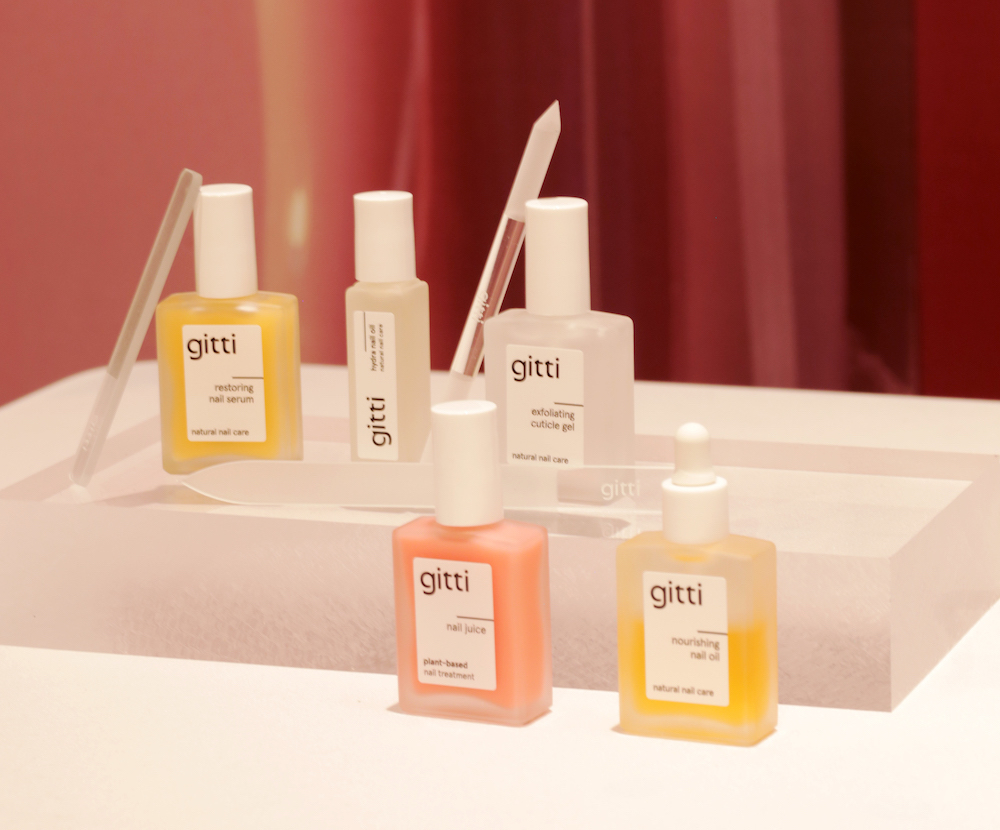
German nail care brand Gitti has seen a serious uptick in demand for its Nail Recovery System that helps post-acrylic or gel manicure weak and brittle nails recover within about two weeks. For consumers going natural with their nails that still want extra shine, Gitti just launched $23 Nail Juice, a collagen- and vitamin-infused nail treatment that quickly dries as a lightly tinted, sheer polish that renews and reinforces nails.
DIY lash brand Pink Rabbit Cosmetics is also seeing more consumers turn to the brand as they forgo professional lash treatments. The brand’s lashes are pre-bonded, which means a hypoallergenic glue is already applied to them, making them as easy as possible for consumers to apply safely and easily at home. Pink Rabbit lashes come in small segment sizes suitable for a lash layman to work with.
Sexual Wellness Expansions
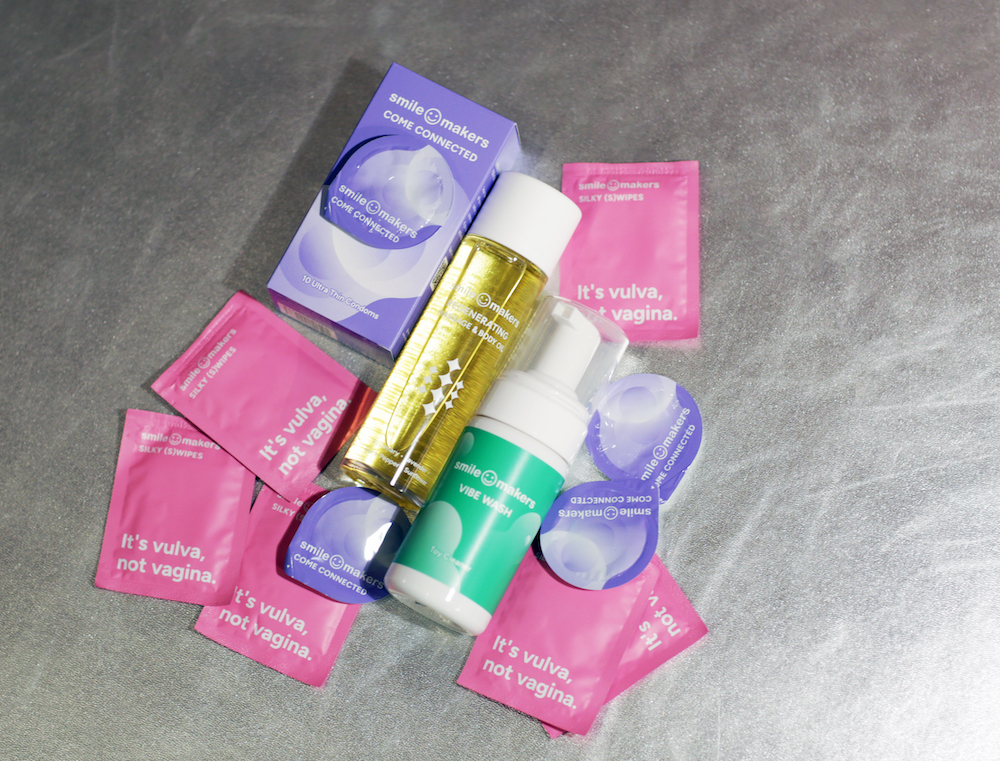
Given the stubborn suppression many products in the sexual wellness space encounter on digital channels, ambitious pushes into related categories are opportune scaling strategies. At BITE, sexual wellness brands like Foria, PlusOne and Smile Makers displayed their latest launches that transcend toys and lubricants.
Foria has been expanding into body and intimate care for a few years, including washes, oils and balms, and since acquiring sleep wellness brand Ned late last year, has been venturing into co-branded ingestible product bundles and NPD that harnesses both brands’ expertise is coming soon. Smile Makers, which has a robust global retail presence at chains like Free People, Ulta Beauty, Watsons and Douglas, has a new range of intimate wellness products encompassing massage oils, intimate wipes, condoms and a sex toy cleanser.
PlusOne leaned further into women’s wellness with a robust line of menopause care containing transdermal supplement patches, sleep spray, vaginal moisturizing gel and more, all priced under $15. The line is available at 8,000 stores, including Walmart, Target and Walgreens.
“Expanding into wellness care was a natural next step for us,” says Maria Warrington, CEO of plusOne parent company Beacon Wellness Brands. “We heard from countless women who felt unseen and underserved during menopause, and we knew we could do more. This collection is our way of showing up for them with thoughtful, effective and accessible solutions that go beyond intimacy to support every part of their wellbeing. Women deserve products that evolve with them, not ones that leave them behind.”
Sunscreen Shifts
At manufacturer Pure Source, requests for mineral sunscreen are surging, while those for mousse sunscreens are plunging. Foam-style sunscreens are a twist on traditional cream formats, and Vacation’s Classic Whip Broad Spectrum SPF 30 Sunscreen Mousse and Supergoop’s Play Body Mousse SPF 50 excited the industry by proving customers are interested in them.
However, the U.S. Food and Drug Administration’s warning in August that there’s no regulatory approval for sunscreens, which are considered over-the-counter drugs in the U.S., in foam textures and, in Vacation’s case, that the canisters housing the product resemble food packaging that can mislead consumers has put a damper on the format. Brands that wanted to follow Vacation and Supergoop into foam sunscreen have pulled back.
Meanwhile, brands are jumping at the chance to deliver sunscreens with bis-ethylhexyloxyphenol methoxyphenyl triazine (BEMT), also known as bemotrizinol, tinosorb S or Parsol Shield, which will be the first new ultraviolet filter added to the U.S. monograph in over two decades if the FDA proceeds as anticipated and approves it as early as March next year.
Manufacturer iLabs is tapping the expertise of several chemists who have histories using BEMT to respond to brands adopting it for forthcoming sunscreen launches. BEMT has been in products in Europe, Asia and Australia for two decades.
Anay Kacharia, director of research and development at iLabs, says, “We expect to see a wave in chemical SPFs with lighter and fluid textures being pushed to the max. These will help customers achieve lightweight, reapplication-friendly sunscreens.”
the GLP-1 EFFECT
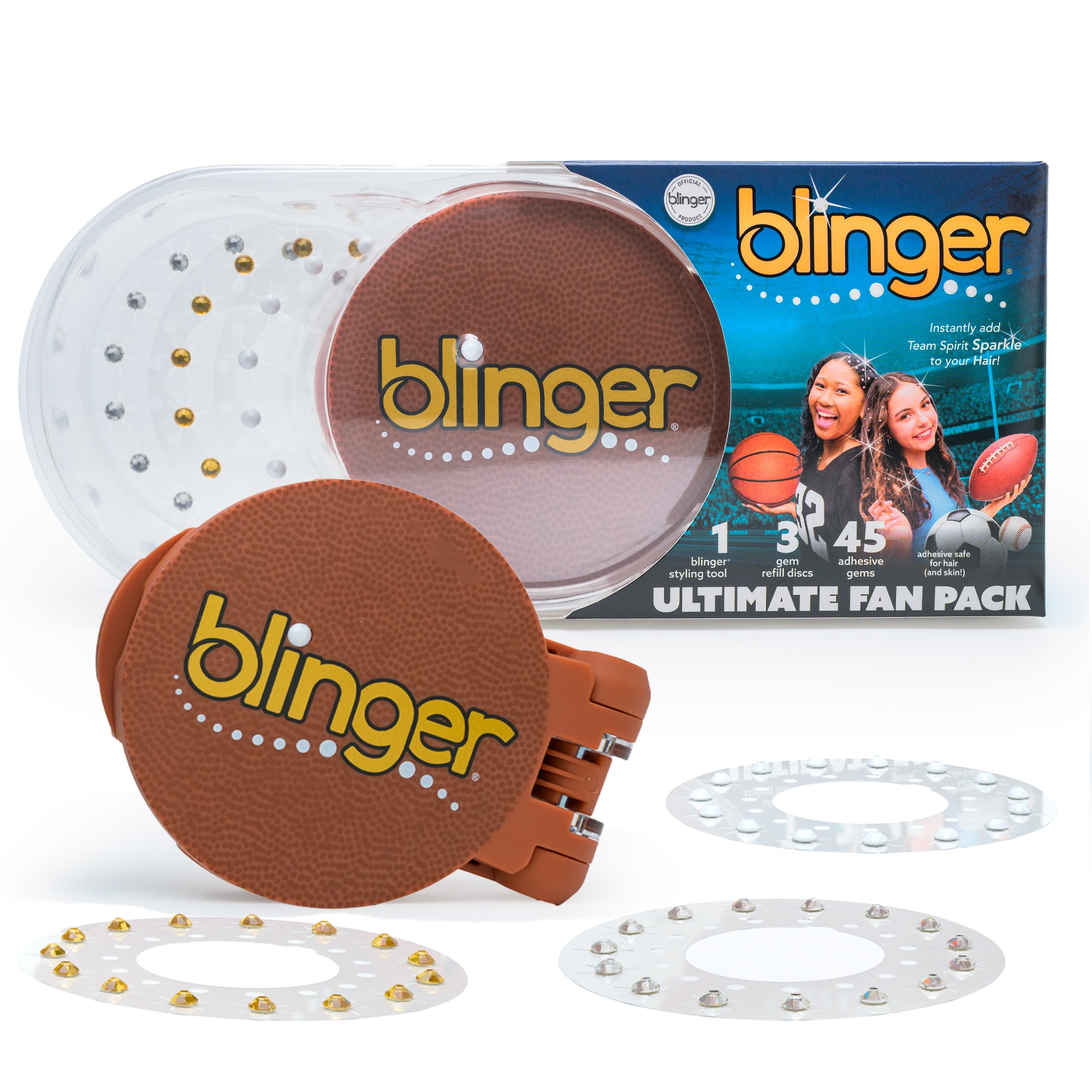
In a paper written with Amine Chaherli exploring the dermatologic impacts of GLP-1s, Kan Cao, a professor in University of Maryland’s department of cellular biology and molecular genetics and co-founder Mblue Labs, owner of skincare brand Bluelene, chronicles the obesity and diabetes drugs’ association with greater skin laxity, signs of aging and hair loss. To combat the impacts, the paper recommends ceramide moisturizers, sufficient protein and micronutrient intake, and antioxidants such as methylene blue in skincare routines.
Bluelene is now tailoring its message to GLP-1 users in support of “weight loss, not skin loss.” Jasmin El Kordi, co-founder of the brand, says, “We are at the beginning of this journey for skin and hair and need to educate consumers about the impact and solutions. We also see this type of skincare fit nicely into the professional channel, where dermatologists and PCPs [primary care providers] have an advisory role.”
In the longevity space, Novos is another brand that has crossover with the modernization of weight management. It has extended its assortment from supplements to nutrition bars in mixed berry, peanut butter chocolate and salted chocolate varieties. Informed by 450-plus studies, their ingredients are inspired by the Mediterranean diet and have 15 grams of protein.
Novos founder and CEO Chris Mirabile says, “Instead of simply filling stomachs with empty calories, which is a common issue for GLP-1 users, Novos Bars nourish the body holistically, supporting muscle retention, cognitive health and cellular resilience, while reflecting the same science-driven philosophy that underpins all of our longevity formulations. As GLP-1 adoption grows, we see Novos uniquely positioned to support this community with products that are not only practical, but also purpose-built to protect long-term health.”
Squarely in the GLP-1 arena and launched with an at-home metabolic testing kit in 2021, SoWell Health released electrolyte, fiber and protein products a year ago targeting GLP-1 users. Developed by Alexandra Sowa, a doctor serving GLP-1 patients and author of the book, “The Ozempic Revolution,” the brand avoids synthetic ingredients and formulates its products for the unique conditions of GLP-1 users such as changing taste preferences and decreased hunger and thirst.
Sowa says, “Everything we create is made on-the-go because you might not think about what you missed at breakfast or lunch until the headache hits you when you are in your car or at work.” She continues that SoWell’s electrolyte product has a subtle lemon flavor because GLP-1 users tend to recoil at flavors that are too sweet or salty. She says, “They didn’t want a lot of the electrolytes that were made for marathon runners. It just didn’t resonate with them.”
SoWell’s sales are largely from DTC, where Sowa divulges over 50% of its first-time customers convert to subscriptions, but it recently landed on Amazon and has entered grocers such as Hy-Vee, Raley’s and Roche Bros., with more slated for this year. Sowa identifies pharmacies, beauty retailers and telehealth platforms as possibilities for distribution expansion for the brand. Hair loss is a top concern GLP-1 users ask her about, and SoWell has beauty-related products on the horizon.
“We don’t see our product as just an ingestible for digestive health,” says Sowa. “We actually see this as the story of beauty from the inside out, and we want to continue to help people thrive on these medications.”
TikTok’S UNSTOPPABLE INFLUENCE
While many in the industry bemoan the pressure of pursuing virality, the impact of TikTok and its virality-sparking platform can’t be denied. According to NielsenIQ, TikTok Shop is the sixth largest beauty e-commerce retailer in the U.S., and its sales surpassed $30 billion last year, with beauty the leading category. Pure Source and iLabs are fielding interest from brands seeking to produce TikTok-y products that boast textures and transformations that stop the scroll.
At iLabs, Kacharia is tying visual elements fit for TikTok to problem-solving. “From a formulation lens, we are solving the traditional depuffing sticks built around sodium stearate that is high pH with jelly sticks that provide similar efficacy in a delightful visual and feel,” she says. “From a packaging lens, we have our zero-waste stick manufactured by our sister company Morae Packaging that is built in an elegant and sleek design that solves the age-old issue in stick components as the product gets left behind in the bottom of the component. With the zero-waste stick, all the product can be dispensed as the bottom disk can be pushed up completely.”
Although Instagram is driving the fastest and steadiest growth for K-Beauty skincare brand Lapcos, it’s been spotlighting its Deep Collagen Glass Skin Overnight Mask on TikTok. The brand targets gen Z and millennial consumers, and its products can be purchased on TikTok Shop and Amazon, where shoppers perusing TikTok content often turn for buying beauty products.
Marketing coordinator Olivia Ziglio mentions the Deep Collagen Glass Skin Overnight Mask is ideal for “long flights and can be slept in,” enabling it to take part in the “morning shed” on TikTok. On top of the collagen mask, she highlights Lapcos’s Glutathione Mask is pertinent to consumers with acne-prone skin and provides seven-day skin transformations that spark eye-catching social media content.
“We focus on educational content like what specific ingredients do for your skin, how to use a sheet mask properly, how to get the best results from your mask,” says Ziglio. “We strive to teach consumers about how essential it is in skincare and traditional Korean skincare to include a sheet mask at least two or three times a week.”
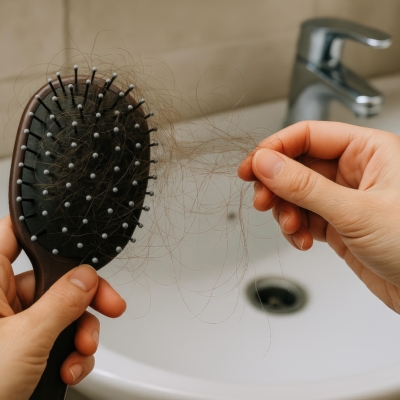
After being relatively quiet on TikTok Shop, Blinger, the company behind bedazzling hair gem applicators, is ramping up its presence on the platform in time for the fourth quarter, which is typically responsible for about 40% of its sales, and to help it increase sales of products aimed at gen Z consumers. Last year, Blinger, which also sells products for younger girls, generated around $3.5 million in sales.
Founder Angie Cella believes the gen Z products would be an auspicious pickup for retailers the likes of Ulta Beauty, Nordstrom and Sephora. She says gen Z consumers “want something that’s simple, but can be very elegant and completely unique in how they use it to just sparkle.” She adds, “We love the idea of growing our business on TikTok. We are very demonstrable. When people see it in action, that’s what gets them excited to get the product.”

Leave a Reply
You must be logged in to post a comment.